
Why AC Services Matter for Protecting Your Home
AC services cover everything you need to keep your home cool and comfortable – from installation and repair to routine maintenance and emergency response. According to the U.S. Department of Energy, proper maintenance can significantly extend the life of your cooling system.
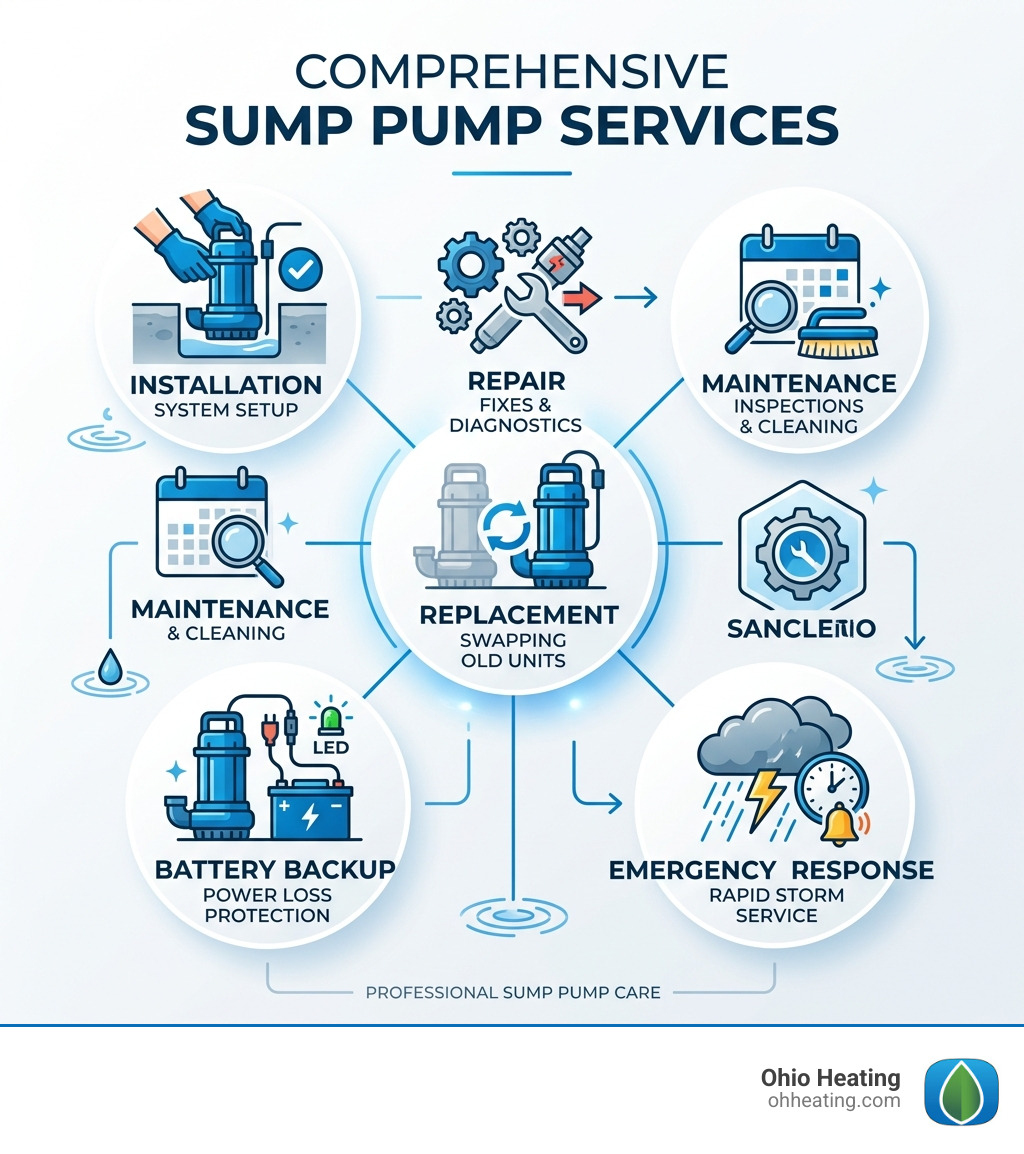
Here’s a quick overview of what’s typically included:
| Service | What It Means |
|---|---|
| Installation | Setting up a new energy-efficient AC system in your home |
| Repair | Fixing compressors, capacitors, fan motors, and refrigerant leaks |
| Maintenance | Annual inspections, coil cleaning, and system testing |
| Replacement | Swapping out aging units (most ACs last 10-15 years) |
| Smart Thermostats | Adding modern controls for better energy management |
| Emergency Service | Rapid response when your cooling fails during a heatwave |
An efficient air conditioner is your home’s primary defense against summer humidity and extreme heat. When it fails – especially during a May 2026 heatwave – indoor temperatures can rise fast, causing discomfort and health risks.
Cooling performance affects more than temperature alone. A properly working AC system also helps manage indoor humidity, supports better airflow, and can contribute to improved indoor air quality when paired with clean filters and well-maintained components. If the system is neglected, you may notice rooms that feel sticky, uneven temperatures from one floor to another, and an overall decline in home comfort. That is why regular service is not just a convenience; it is an important part of protecting your living environment.
For many homeowners, AC service starts with prevention. Seasonal inspections can catch worn capacitors, dirty condenser coils, loose electrical connections, and restricted drain lines before they lead to a full breakdown. That kind of proactive care is especially important in Central Ohio, where cooling systems may sit relatively unused for stretches of time and then suddenly need to perform day after day when outdoor temperatures spike.
I’m Jill Frattini, Service Coordinator at Ohio Heating in Columbus, OH. I’ve spent years coordinating cooling service calls, ensuring our neighbors stay comfortable during the peak of summer. That experience gives me a practical perspective on what separates a reliable service provider from the rest.
Whether you are maintaining an existing central AC unit, exploring a high-efficiency replacement, or trying to avoid an emergency repair in the middle of a humid stretch, understanding the full scope of professional AC care can help you make smarter decisions for your home and your budget.
Evaluating the Best AC Services for Your Home
When it comes to selecting the right company for your AC services, not all providers are created equal. In Central Ohio, our summer weather can be unpredictable, with sudden heatwaves putting massive pressure on cooling systems. Because an air conditioner often sits idle for months before being called into high-stakes action, the quality of the service provider you choose is paramount.
When we evaluate service criteria for our neighbors in Columbus, we look at several key factors. First is response time. If your system fails in May 2026, you need a technician immediately. Professionalism also matters – look for companies that respect your home. Licensing and insurance are non-negotiable, as AC work involves complex electrical and refrigerant handling.
For those looking to understand home comfort, resources like AC 101: Maximizing Home Comfort with Energy-Efficient Cooling Systems can provide a great foundation. At Ohio Heating, we’ve been serving the Columbus area since 1999, focusing on Expert AC Installation and Repair Services that keep local homes cool.
A strong AC service provider should also communicate clearly about equipment quality, warranty terms, and pricing. Homeowners should feel comfortable asking what brand options are available, how efficiency ratings compare, what labor warranties are included, and whether a diagnostic fee will apply. Transparent estimates make it easier to compare options and avoid surprises after the work is complete.
Another major factor is the provider’s approach to system evaluation. A good contractor does not simply swap parts or recommend replacement without first checking airflow, thermostat performance, electrical components, refrigerant charge, and the overall condition of the system. That more complete assessment is important because many comfort complaints have multiple causes. Weak airflow, for example, might involve a dirty filter, an evaporator coil issue, or a blower problem rather than a single obvious failure.
Professional AC Services for New Installations
A professional installation starts with proper system sizing. A unit that is too small won’t keep up with the heat, while one that is too large will short cycle, burning out the compressor prematurely. During a professional AC Sales & Installation Services visit, we focus on SEER2 ratings, refrigerant line routing, and code compliance.
Installation quality also affects long-term reliability. The placement of the outdoor unit, the condition of the existing duct system, and the setup of the thermostat can all influence efficiency and comfort. Even a high-quality air conditioner can underperform if airflow is not balanced correctly or if refrigerant lines are not installed to specification. That is why professional sizing and careful setup matter just as much as the equipment itself.
Emergency AC Services and Rapid Repairs
In AC services, emergency response is vital. We emphasize 24/7 availability because cooling failures don’t follow a schedule. Common Emergency AC Repair & Maintenance calls involve compressor failures, capacitor issues, and refrigerant leaks.
Fast emergency service is especially valuable for homes with young children, older adults, or anyone sensitive to extreme indoor temperatures. A reliable company should be prepared to diagnose urgent problems quickly, explain the repair options in plain language, and restore cooling safely. In many cases, prompt attention can prevent additional damage to the system and help homeowners avoid a longer, more expensive outage.
Signs Your Cooling System Needs Repair or Replacement
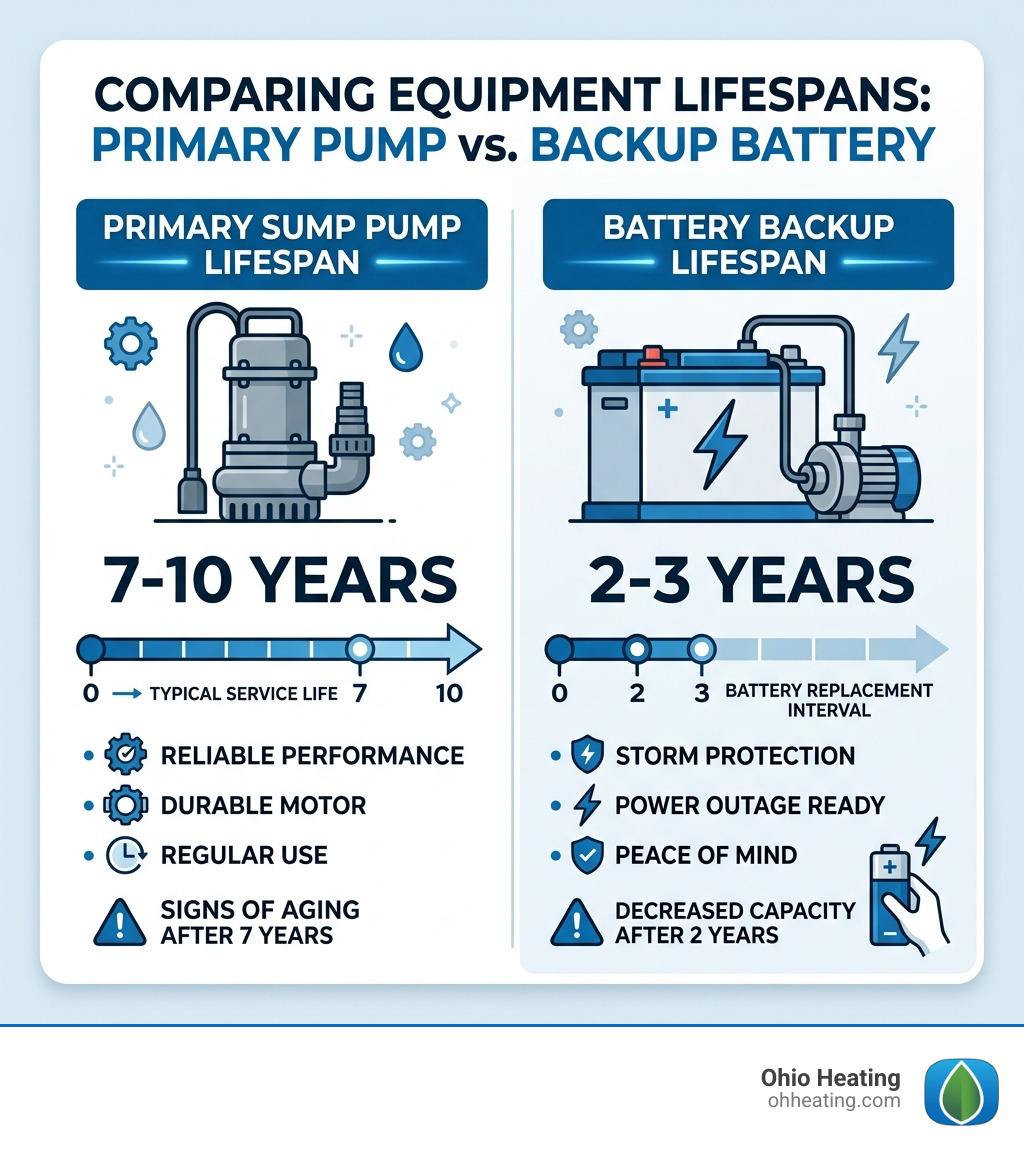
Knowing when to call for AC services can save you from a sweltering home. While most units last between 10 and 15 years, several warning signs suggest your system is nearing the end of its life.
- Unusual Noises: Grinding, squealing, or banging sounds often indicate motor or compressor issues.
- Frequent Cycling: If the AC turns on and off constantly, it may be oversized or have a failing thermostat.
- Weak Airflow: This could signal a failing compressor or blocked ductwork.
- Warm Air: If the vents are blowing warm air, you likely have a refrigerant leak or compressor problem.
- High Energy Bills: A sudden spike in cooling costs often means the system is working too hard to maintain temperatures.
There are also subtler signs that should not be ignored. If certain rooms stay warmer than others, humidity feels harder to control, or the system runs for unusually long periods in the afternoon, the unit may be losing efficiency. Water around the indoor unit can indicate a clogged condensate drain, while ice on the refrigerant lines or evaporator coil may point to airflow restrictions or low refrigerant levels. These issues often start small but can become much more serious if left untreated.
Age matters as well. As an air conditioner gets closer to the 10-15 year range, repairs may become more frequent and replacement parts can offer diminishing value compared with investing in a new high-efficiency system. If you are facing a major repair on an older unit, it is usually wise to ask your technician for both repair and replacement options so you can compare the short-term and long-term costs.
If you notice these signs, consult a professional for AC Troubleshooting – When to Call a Professional before the next heatwave hits Central Ohio.
Comparing Different Types of Air Conditioning Systems
Choosing the right equipment is a major part of professional AC services. There are two primary types of systems used in Columbus homes.
| Feature | Central AC | Ductless Mini-Split |
|---|---|---|
| Installation | Uses existing ductwork | No ducts required |
| Noise Level | Quiet indoor operation | Ultra-quiet |
| Lifespan | 10-15 years | 12-17 years |
| Efficiency | High (SEER2 rated) | Very High |
| Best For | Whole-home cooling | Specific zones or additions |
Central AC systems are the standard for most homes with existing ducts. Ductless mini-split units are excellent for homes without ductwork or for cooling specific areas like a new sunroom. Both options offer high-efficiency cooling when properly maintained. For more help, see Choosing the Right AC System for Your Columbus Home.
When comparing these systems, homeowners should also think about how they use each part of the home. Central air is often the most convenient option for whole-home comfort because it cools through a connected duct network and pairs easily with a single thermostat or upgraded smart controls. Ductless systems, on the other hand, allow targeted cooling in individual rooms or zones, which can be especially useful for additions, finished basements, home offices, or areas that are difficult to keep comfortable with existing ducts.
Cooling capacity matters too. A system should be matched to the home’s size, insulation levels, and layout so it can remove heat and humidity effectively without excessive cycling. BTU output, efficiency ratings, and control features all play a role in day-to-day comfort. A professional evaluation helps ensure that the selected system is not just efficient on paper, but properly suited to how the home actually performs during peak summer conditions.
Maintenance and Tune-Ups for Long-Term Reliability
We cannot stress enough that AC services should be proactive. An annual precision tune-up is the best way to ensure operational reliability.
Our Comprehensive AC Maintenance Plans include:
- Cleaning Condenser Coils: Removing dirt and debris to improve heat transfer.
- Checking Refrigerant Levels: Ensuring the system is charged correctly for maximum efficiency.
- Inspecting Electrical Connections: Tightening connections to prevent component failure.
- Clearing Drain Lines: Preventing water damage from clogged condensate lines.
- Thermostat Calibration: Ensuring your system responds accurately to your settings.
Routine maintenance is one of the simplest ways to avoid emergency calls during the hottest part of the year. Dirt buildup, loose wiring, and small drainage problems may seem minor at first, but they can reduce efficiency and increase wear on critical components. A tune-up helps identify these concerns early, often before the homeowner notices a major comfort issue.
You can also optimize airflow by checking your filters monthly and replacing them every 90 days, or more often if you have pets. Keeping supply and return vents unobstructed, trimming vegetation away from the outdoor unit, and paying attention to changes in runtime can also support better performance between professional visits.
For homeowners who want more predictable comfort, maintenance plans can provide peace of mind through scheduled inspections and priority service benefits. The result is often better cooling consistency, fewer surprise breakdowns, and improved system efficiency over time.
Frequently Asked Questions about AC Services
How long does a typical air conditioner last?
Most air conditioners last between 10 and 15 years. This lifespan depends on maintenance history and usage patterns. In Central Ohio, systems that are serviced annually tend to last longer and run more efficiently.
Should I repair or replace my old AC unit?
If the unit is over 12 years old and requires a major repair like a compressor replacement, we usually recommend a full replacement. The energy efficiency gains of a new SEER2-compliant system often outweigh the cost of repairing an obsolete unit.
How often should I change my AC filters?
We recommend checking filters monthly. While a 90-day standard works for many, homes with pets or high dust levels may need changes every 30 days to ensure optimal airflow and indoor air quality.
What should I do if my AC fails during a heatwave?
First, check your circuit breaker and thermostat batteries. If the system still won’t run, check for a frozen evaporator coil or a tripped float switch in the drain pan. If these aren’t the issue, call for emergency AC services immediately.
Conclusion
Protecting your home from extreme summer heat requires high-quality equipment and expert AC services. At Ohio Heating, we understand that a cool home is essential for your family’s comfort. Whether you need a routine annual inspection, a high-capacity replacement, or an emergency repair, our team is dedicated to providing Columbus residents with operational reliability.
Don’t wait for the next heatwave to think about your cooling system. Protect your home with expert AC Sales & Services and enjoy the peace of mind that comes with a reliable home. Give us a call today to schedule your maintenance.