
Furnace Filter Replacement Cost: 5 Smart Tips
Why Furnace Filter Replacement Cost Matters for Your Business
Furnace filter replacement cost is a small but essential part of managing your property’s HVAC system. For property managers and business owners, understanding these costs helps with effective budgeting and prevents expensive surprises.
Quick Answer: What You’ll Pay
- Basic fiberglass filters: $1 – $5 per filter
- Pleated filters: $5 – $15 per filter
- High-efficiency (HEPA) filters: $15 – $50+ per filter
- Professional installation: $50 – $100 (if bundled with maintenance)
- Replacement frequency: Every 1-3 months for standard filters, 6-12 months for thicker filters
The cost varies based on filter type, size, and MERV rating. Most property managers spend between $10 and $50 per filter when handling it themselves.
A simple furnace filter plays a critical role in your heating system’s health. When clogged with dust and debris, it restricts airflow, forcing the system to work harder. This leads to higher energy bills and risks expensive repairs or even a full system failure.
Regular filter replacement protects your equipment, maintains comfort, and ensures healthy indoor air quality. It’s one of the most affordable and effective maintenance tasks you can perform. This guide breaks down what you’ll pay, what factors influence the cost, and how to save money without sacrificing performance.
Breaking Down the Cost: What Determines Your Price?
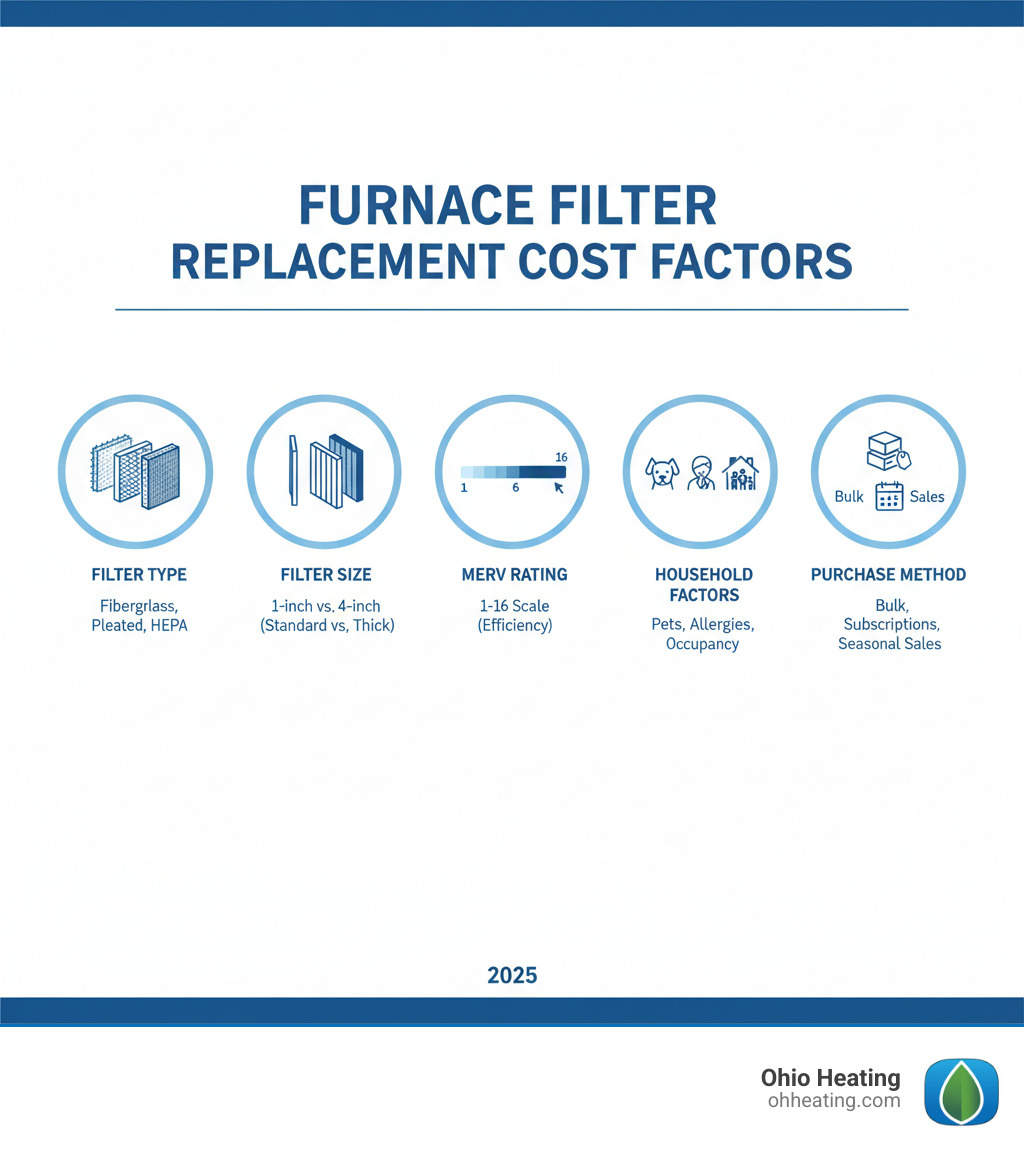
When shopping for a furnace filter, you’ll find prices ranging from a few dollars to over fifty. The furnace filter replacement cost is determined by three main factors: the filter’s material, its size and thickness, and its filtration efficiency (MERV rating). Understanding these elements will help you choose a filter that fits your budget and your home’s needs.
Filter Types: From Basic to High-Efficiency
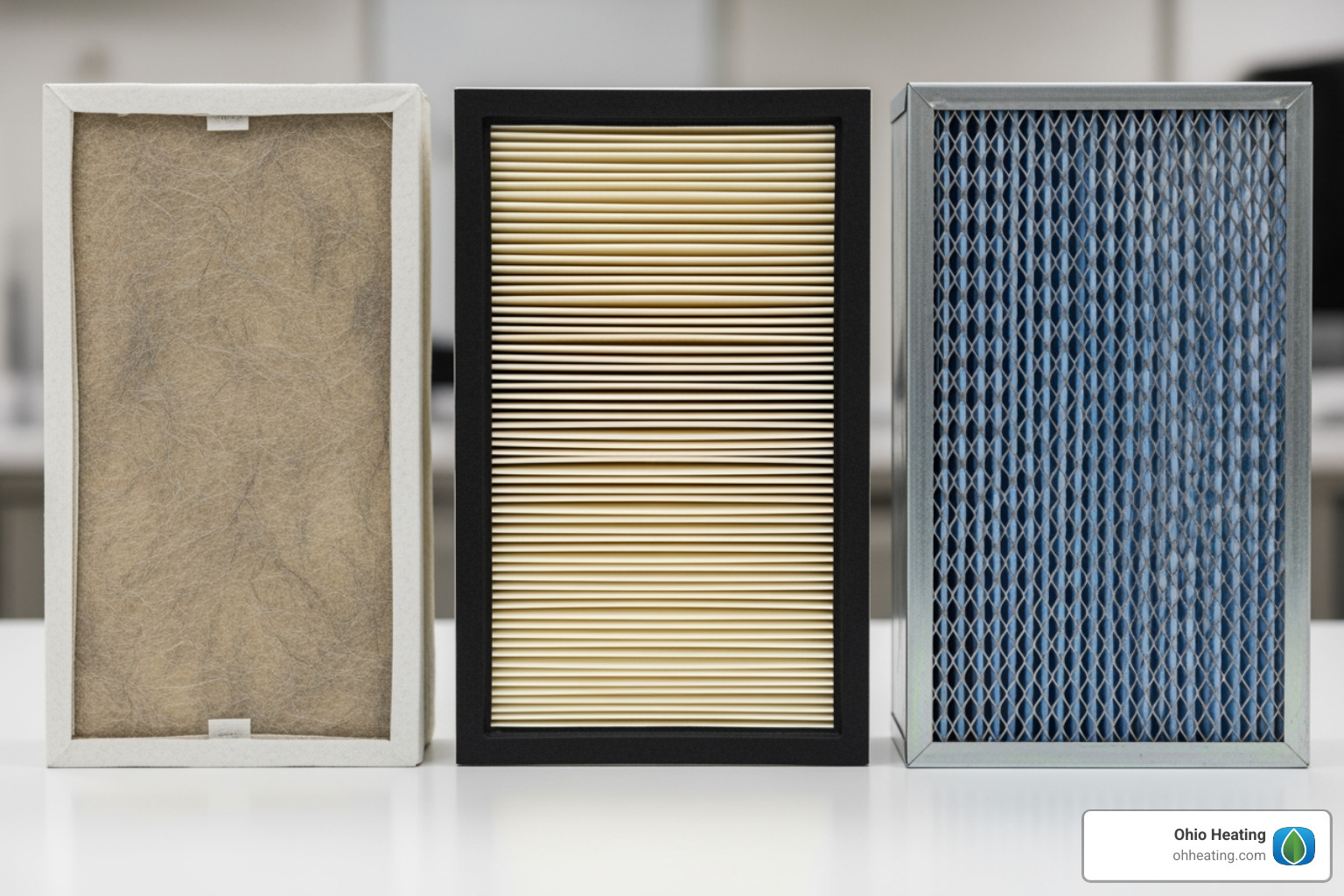
- Fiberglass filters ($1 – $5): This is the most basic and affordable option. These thin filters catch large particles like dust and lint but let smaller contaminants pass through. They clog quickly and require frequent replacement.
- Pleated filters ($5 – $15): A step up in performance, these filters use folded material to create more surface area. They trap smaller irritants like pollen, pet dander, and mold spores, making them a popular choice for balancing cost and air quality.
- Electrostatic filters ($15 – $100): These filters use static electricity to attract and trap particles. Disposable versions cost $15-$50, while washable, reusable models run $50-$100 upfront. Reusable filters can save money over time, as they can be washed and reused for years.
- HEPA filters ($15 – $50+): The gold standard for air filtration, HEPA filters trap extremely small particles, including bacteria and smoke. However, their high filtration restricts airflow, and most residential furnaces cannot handle them without modification. Always consult a professional before installing a HEPA filter.
The Impact of Filter Size and Thickness
Your furnace filter must fit snugly in its slot, and its dimensions directly affect the price. Standard sizes are more affordable, while custom or uncommon sizes cost more.
- Length and Width: Larger filters require more material and are therefore more expensive. For example, a 30x36x1 inch filter might cost $38, while a smaller 7×16 inch filter could be just $18.
- Thickness: Thicker filters (typically 4-5 inches vs. the standard 1-inch) cost more upfront but offer significant benefits. A 16x25x4 inch filter might cost $26 compared to $18 for a 1-inch version. However, the thicker filter has more surface area, traps more particles, and lasts much longer—often 6-12 months compared to 1-3 months for a 1-inch filter. An HVAC technician can install a media cabinet upgrade to allow your system to use these more effective filters.
Understanding MERV Ratings
MERV (Minimum Efficiency Reporting Value) is a 1-16 scale that rates a filter’s ability to capture airborne particles. A higher number means better filtration.
- MERV 1-4: Basic filtration, catching large particles like dust and carpet fibers.
- MERV 5-8: Good for general household use, capturing dust, pollen, and pet dander. Most pleated filters fall in this range.
- MERV 9-12: Better for homes with allergy or asthma sufferers, as they trap mold spores and fine dust.
- MERV 13-16: Hospital-grade filtration, capturing bacteria and smoke. These filters are highly restrictive.
There’s a trade-off: higher MERV ratings mean cleaner air but also make your furnace work harder. Most residential systems perform best with MERV 8 to 13 filters. Using a filter with a MERV rating higher than your system can handle may cause strain and reduce efficiency. In terms of cost, each step up in MERV rating typically adds about $5 to the price of a similarly sized filter.
The Complete Furnace Filter Replacement Cost Breakdown
For most homeowners in Columbus, Ohio, the furnace filter replacement cost is between $10 and $50 for a DIY replacement. The total cost depends on whether you do it yourself or hire a professional, weighing the immediate expense against the long-term protection of your HVAC system.
DIY Furnace Filter Replacement Cost
Replacing a furnace filter is one of the easiest home maintenance tasks. When you go the DIY route, you only pay for the filter itself, which can range from $5 for a basic model to $50 or more for a high-efficiency or custom-sized filter. Most homeowners spend $10 to $20 for a quality pleated filter.
The filter slot is usually located between the furnace and the return air duct. Simply slide out the old filter, note the size printed on its frame, and slide in the new one, ensuring the airflow arrow points toward the furnace.
Professional Furnace Filter Replacement Cost
If you’re already scheduling annual furnace maintenance, having a technician replace the filter is a convenient option. As a standalone service, professional installation typically costs $50 to $100. However, it’s more cost-effective when bundled with a routine maintenance appointment.
Consider professional help if the filter is hard to access, if you’re unsure of the correct size or MERV rating, or if you want an expert to check your system. Our technicians can identify potential issues and ensure you’re using the right filter for optimal performance. For more tips, see our guide on scheduling furnace maintenance.
Hidden Costs of Neglecting Your Filter
Ignoring a dirty filter is far more expensive than replacing it. A clogged filter forces your furnace to work harder, leading to several costly problems:
- Higher Energy Bills: A struggling system consumes more energy, increasing utility costs by as much as 15-20%.
- System Strain and Damage: Overworking the furnace can cause components like the blower motor and heat exchanger to overheat and fail. The average HVAC repair costs around $350, but major failures can exceed $2,000. Learn more about costly furnace repairs in Columbus.
- Poor Comfort: You may experience uneven heating, with the system running constantly but failing to keep your home comfortable.
- Premature System Replacement: Chronic strain can shorten a furnace’s lifespan from 15-20 years to just 10-12. Replacing an HVAC system can cost $5,000 to $12,500.
Spending $10 to $50 on a filter every few months is the most affordable insurance policy for your HVAC system.
When to Replace Your Filter: A Schedule for Every Home
Knowing when to change your furnace filter is as important as choosing the right one. It’s about following a schedule and recognizing the signs your system gives you when it’s time for a change.
Key Signs Your Filter Needs Changing
Your furnace will let you know when it needs a fresh filter. Look for these signals:
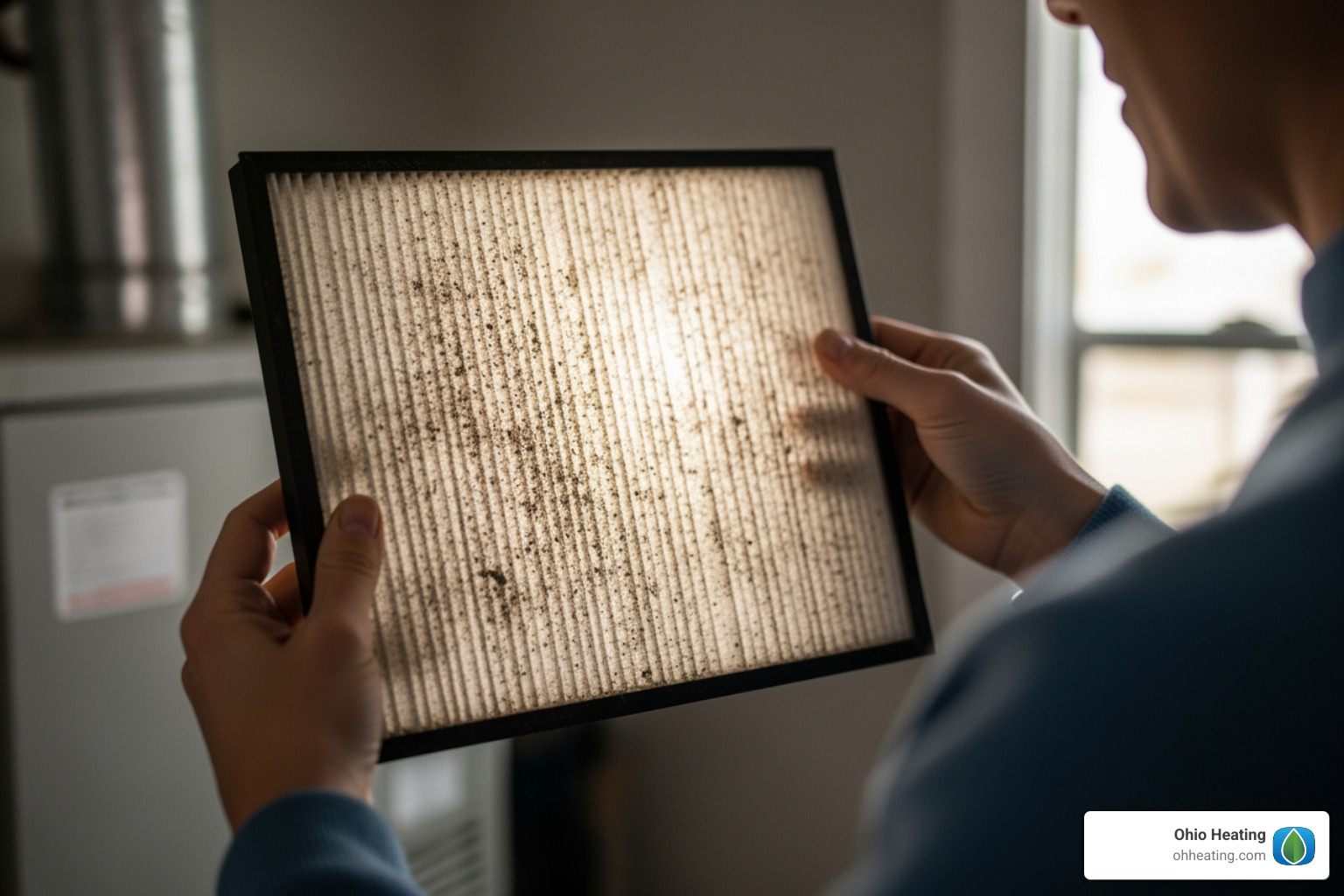
- Visible Dirt: If you hold the filter up to a light and can’t see through it, it’s time for a replacement.
- Reduced Airflow: Weak airflow from your vents indicates the system is struggling to push air through a clog.
- Higher Energy Bills: An unexplained spike in your utility costs can be a direct result of a dirty filter forcing your system to work overtime.
- Musty Odors: A dirty, damp filter can become a breeding ground for mold and mildew, creating unpleasant smells when the system runs.
- System Short-Cycling: If your furnace turns on and off frequently, it may be overheating due to restricted airflow from a clogged filter.
Recommended Replacement Frequency
Following a regular schedule keeps your furnace filter replacement cost manageable and prevents problems. Here are some general guidelines:
- 1-inch filters: Replace every 1 to 3 months. Change monthly if you have pets or allergies.
- 4-inch and thicker filters: These last much longer, typically 6 to 12 months.
- Reusable filters: Clean every 30 to 60 days. Ensure the filter is completely dry before reinstalling it to prevent mold growth.
For most homes with standard pleated filters, the general 90-day rule is a simple and effective schedule to follow.
Household Factors That Change the Schedule
Your home’s specific environment affects how quickly your filter gets dirty. Adjust your schedule based on these factors:
- Pets: Pet dander and hair clog filters quickly. Pet owners should plan on changing filters more frequently, often monthly.
- Allergies and Asthma: If anyone in your home has respiratory sensitivities, use a higher MERV filter and change it every 30-60 days to maintain cleaner air.
- Smokers: Tobacco smoke contains fine particles that rapidly build up on a filter, requiring more frequent changes.
- Home Size and Occupancy: Larger homes with more people and activity put a greater demand on the HVAC system, dirtying filters faster.
- Local Air Quality: Proximity to construction, busy roads, or high pollen counts in Central Ohio means more airborne particles will enter your home, requiring you to check and change your filter more often.
Smart Savings: How to Reduce Your Filter Replacement Costs
Managing your furnace filter replacement cost doesn’t mean you have to compromise on air quality. With a few smart strategies, you can keep your home comfortable and your budget in check.
Reusable vs. Disposable Filters: A Cost-Benefit Analysis
- Disposable Filters: These are convenient and cheap upfront ($1 to $50+), but the costs are recurring. Changing a $15 filter every two months adds up to $90 per year.
- Reusable Filters: These have a higher initial cost ($50 to $100) but can be washed and reused for years, offering significant long-term savings. The trade-off is the effort required for regular cleaning (every 30-60 days). You must also ensure the filter is completely dry before reinstalling it to prevent mold. Reusable filters are also a more environmentally friendly option.
Choose disposable for convenience or reusable for long-term savings and reduced waste, provided you’re committed to the cleaning routine.
Money-Saving Purchase Strategies
When buying disposable filters, use these tips to lower your costs:
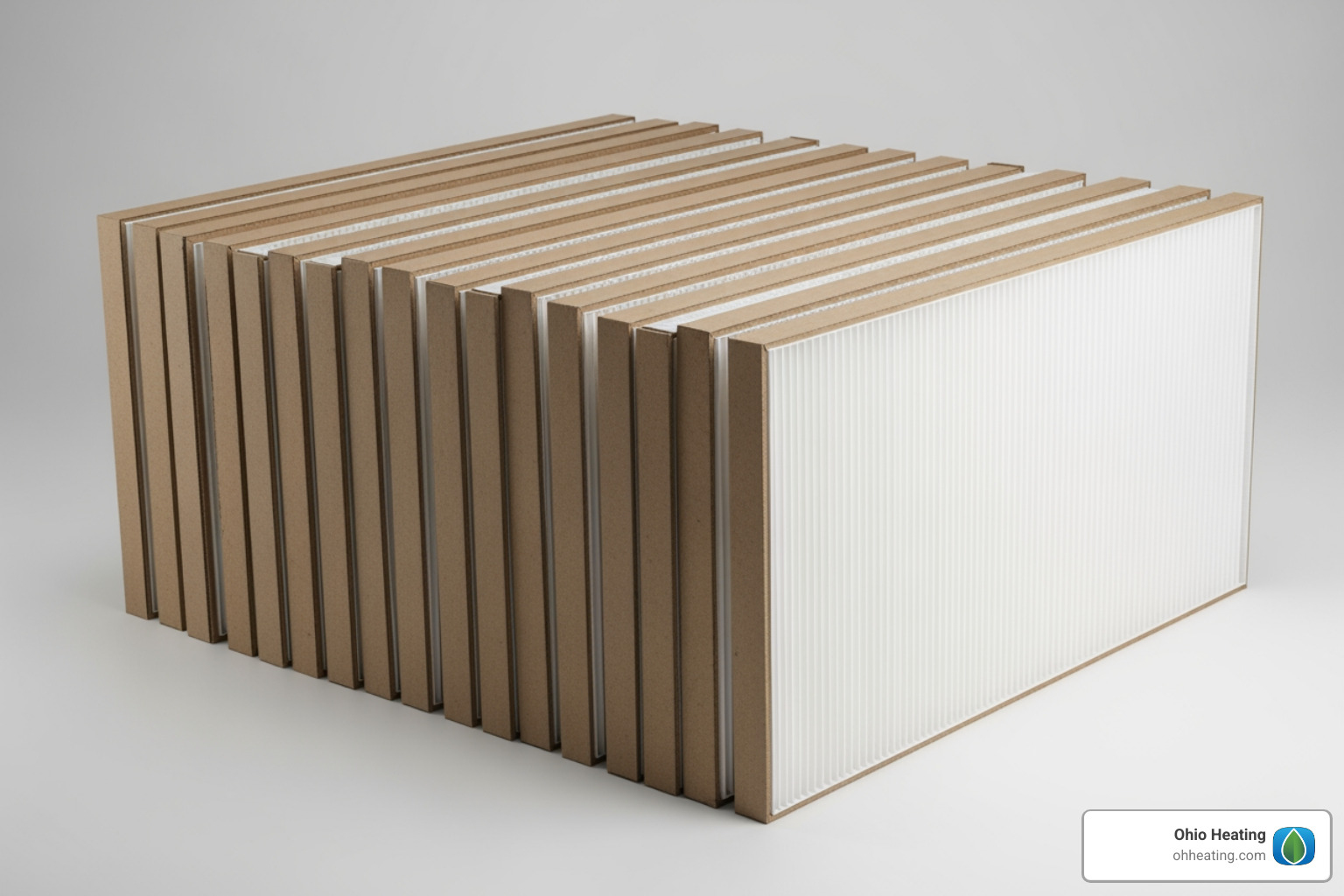
- Buy in Bulk: This is the most effective way to save. The price per filter can drop by nearly 50% when you buy a multi-pack. For example, a single filter might cost $25, but drop to $13 each in a 12-pack.
- Use Subscription Services: Many online retailers offer subscription programs that deliver filters to your door on a set schedule. This often comes with an extra discount (around 5%) and ensures you never forget to make a change.
- Watch for Sales: Look for promotions from HVAC retailers during the spring, fall, and major holiday sales events. Since filters don’t expire, it’s smart to stock up when you find a good deal.
- Choose the Right MERV Rating: Higher MERV ratings mean higher costs. For many homes, a MERV 8 to 11 filter provides an excellent balance of filtration and value, effectively capturing common allergens without straining your system or budget. Unless you have specific health concerns, you may not need the most expensive filter available.
Frequently Asked Questions about Furnace Filter Costs
Here are answers to some of the most common questions we hear from Columbus homeowners and business owners.
What happens if I don’t change my furnace filter?
Neglecting your filter restricts airflow, forcing your HVAC system to work harder. This leads to higher energy bills, poor heating and cooling, and worse indoor air quality. Most importantly, it causes excessive strain on system components, leading to overheating, premature failure, and costly furnace repairs in Columbus. In the long run, it can shorten your HVAC system’s lifespan by several years.
Do more expensive filters really make a difference?
Yes, in many cases. Higher-priced filters typically have higher MERV ratings (11-13+), meaning they capture smaller particles like pollen, pet dander, and bacteria. Many are also thicker (4-5 inches), which allows them to filter more effectively while lasting much longer (6-12 months vs. 1-3 months). This extended lifespan can make the higher initial furnace filter replacement cost a better value over time, especially for households with allergies or pets.
Can I use a filter with a higher MERV rating than my current one?
Proceed with caution. While higher MERV filters improve air quality, they also increase airflow resistance. Many HVAC systems, especially older or smaller units, are not designed to handle the strain of a highly restrictive filter (MERV 13+). Using a filter that’s too restrictive can reduce efficiency, strain the blower motor, and potentially damage your system. Always check your furnace’s manual for the recommended MERV range or consult a professional at Ohio Heating to ensure you choose a filter that won’t compromise your system’s health.
Conclusion
Managing your furnace filter replacement cost is a small but powerful part of home and business maintenance. This simple task delivers significant returns: lower energy bills, cleaner indoor air, and a longer lifespan for your HVAC system.
As we’ve covered, the price depends on filter type, size, thickness, and MERV rating. By understanding these factors, following a regular replacement schedule, and using smart purchasing strategies like buying in bulk, you can keep costs low without sacrificing performance. Regular filter changes are one of the smartest investments you can make in your Columbus and Central Ohio property, protecting your equipment from unnecessary strain and damage.
Of course, sometimes you need an expert’s eye. If you’re unsure which filter to use or if your system isn’t performing as it should, a trusted local partner can make all the difference. The team at Ohio Heating has been keeping homes and businesses comfortable since 1999. For comprehensive care and to ensure your system is always at its best, explore our furnace and heating equipment sales and services.
Your comfort and peace of mind are worth the small investment in regular maintenance. When you need us, we’re just a call away.