
AC compressor repair: Top 5 Essential Tips
Why Your AC Compressor Matters to Your Property
AC compressor repair is one of the most critical services for maintaining a comfortable, efficient cooling system in your residential or commercial property. When your compressor fails, your entire air conditioning system stops working—leaving you with warm air, frustrated occupants, and potential damage to temperature-sensitive assets.
Quick Answer: What You Need to Know About AC Compressor Repair
- Signs of failure: Warm air from vents, unusual noises (grinding, hissing, clicking), frequent cycling, higher energy bills
- Repair vs. replacement decision: Based on system age, repair cost, warranty status, and refrigerant type
- Typical costs: $100-$2,500 for repairs; $400-$4,000+ for full replacement including labor
- Timeline: Minor repairs take 1-3 hours; major replacement requires 4-8 hours
- Professional help required: Refrigerant handling is regulated by law and requires specialized equipment
- System age matters: Units under 10 years often benefit from repair; units over 15 years typically need replacement
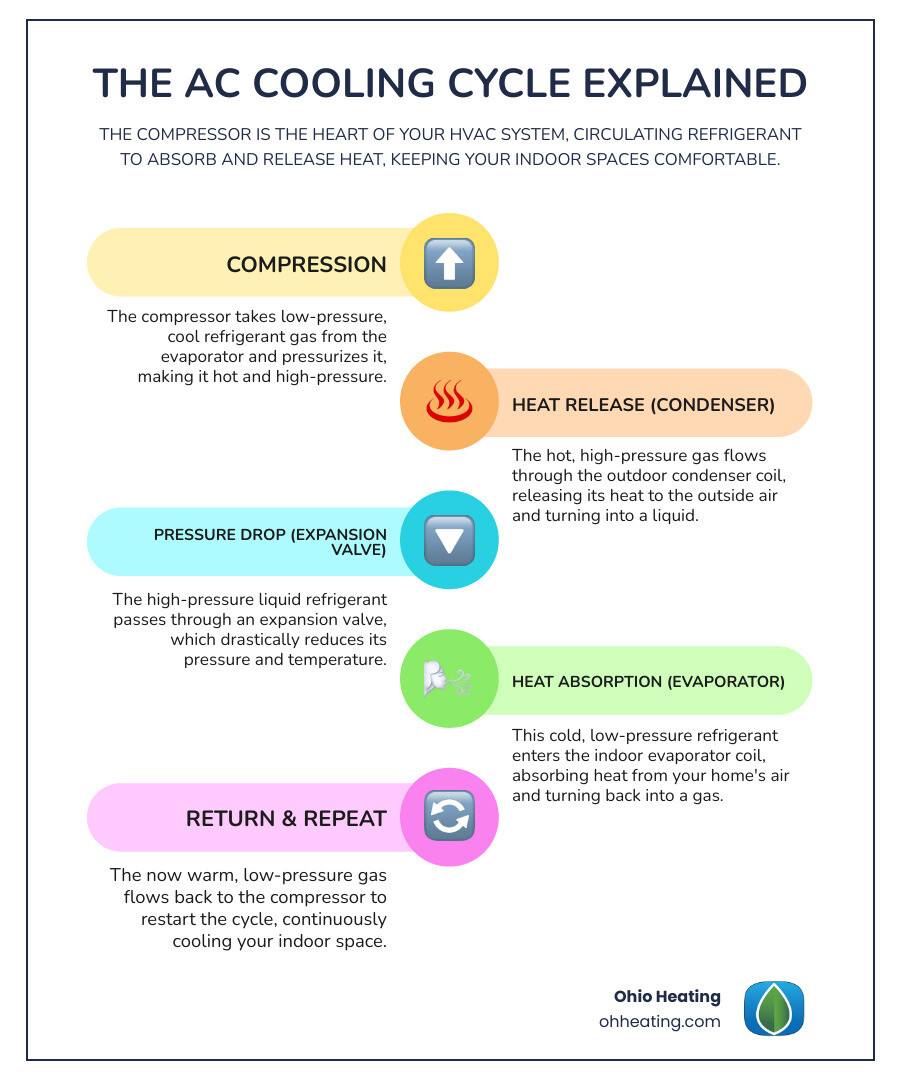
The AC compressor is often called the heart of your HVAC system. It compresses refrigerant gas and pumps it through your system, enabling the heat exchange process that cools your property. Without a functioning compressor, the entire cooling cycle stops.
This guide will help property managers and business owners understand when compressor issues require immediate attention, how to decide between repair and replacement, what the professional repair process involves, and how to prevent costly failures through proper maintenance. Whether you’re managing a multi-unit residential building or overseeing commercial properties in Columbus, OH, knowing these essentials will help you make informed decisions that protect your investment and keep occupants comfortable.
Signs of a Failing Compressor and Common Causes
A failing AC compressor rarely quits without warning. Recognizing the early signs can help you avoid an emergency breakdown and costly repairs. Learning these symptoms is key to keeping your property comfortable and your tenants or employees happy. For a broader look at AC warning signs, check out our guide on Signs Your Air Conditioning Needs Repair: What to Look For.
Telltale Symptoms to Watch For
When your compressor struggles, the entire AC system is affected. Be on the lookout for these red flags:
- Warm air from vents: If you’re getting lukewarm air instead of cool, the compressor isn’t compressing refrigerant properly.
- Reduced airflow: Weak airflow, even if cool, suggests the compressor isn’t maintaining system pressure.
- Higher energy bills: A failing compressor works harder and uses more electricity to provide less cooling.
- Frequent cycling: A system that turns on and off constantly (short cycling) may have an overheating compressor or electrical issues.
- Tripped circuit breaker: If the breaker for your AC unit keeps tripping, the compressor may be drawing too much power due to an internal fault.
Unusual noises from your outdoor unit also signal trouble. Grinding or squealing points to failing bearings or internal parts, while a hissing sound often indicates a refrigerant leak. Continuous clicking without the unit starting suggests a bad capacitor or relay, and rattling means something has come loose. Learn more in our article on What Weird Noises From Your AC Unit Could Mean for Repairs.
Common Causes of Compressor Failure
Understanding the root causes can help you prevent them:
- Electrical Failures: Issues like a failed start capacitor, bad wiring, or power surges can damage the compressor’s motor, requiring a major AC compressor repair.
- Refrigerant Leaks: Low refrigerant forces the compressor to overwork and overheat. Since refrigerant also helps cool the compressor motor, a leak can cause it to burn out. See our coverage of what to know about refrigerant leaks.
- Lack of Lubrication: Insufficient or contaminated oil causes internal parts to grind together, leading to mechanical seizure.
- Dirty Condenser Coils: When the outdoor unit’s coils are covered in dirt and debris, they can’t release heat. This traps heat in the system, straining the compressor and shortening its life.
- Clogged Suction Lines: Blockages starve the compressor of refrigerant, causing it to overheat and fail.
- Poor Maintenance: Skipping regular tune-ups allows small issues like these to snowball into catastrophic compressor failure.
The Big Decision: Repairing vs. Replacing Your AC Compressor
When your AC compressor fails, you face a critical decision: should you repair it, replace just the compressor, or invest in a new system? For property managers in Columbus, OH, this is a financial decision affecting your budget, occupant comfort, and long-term property value.
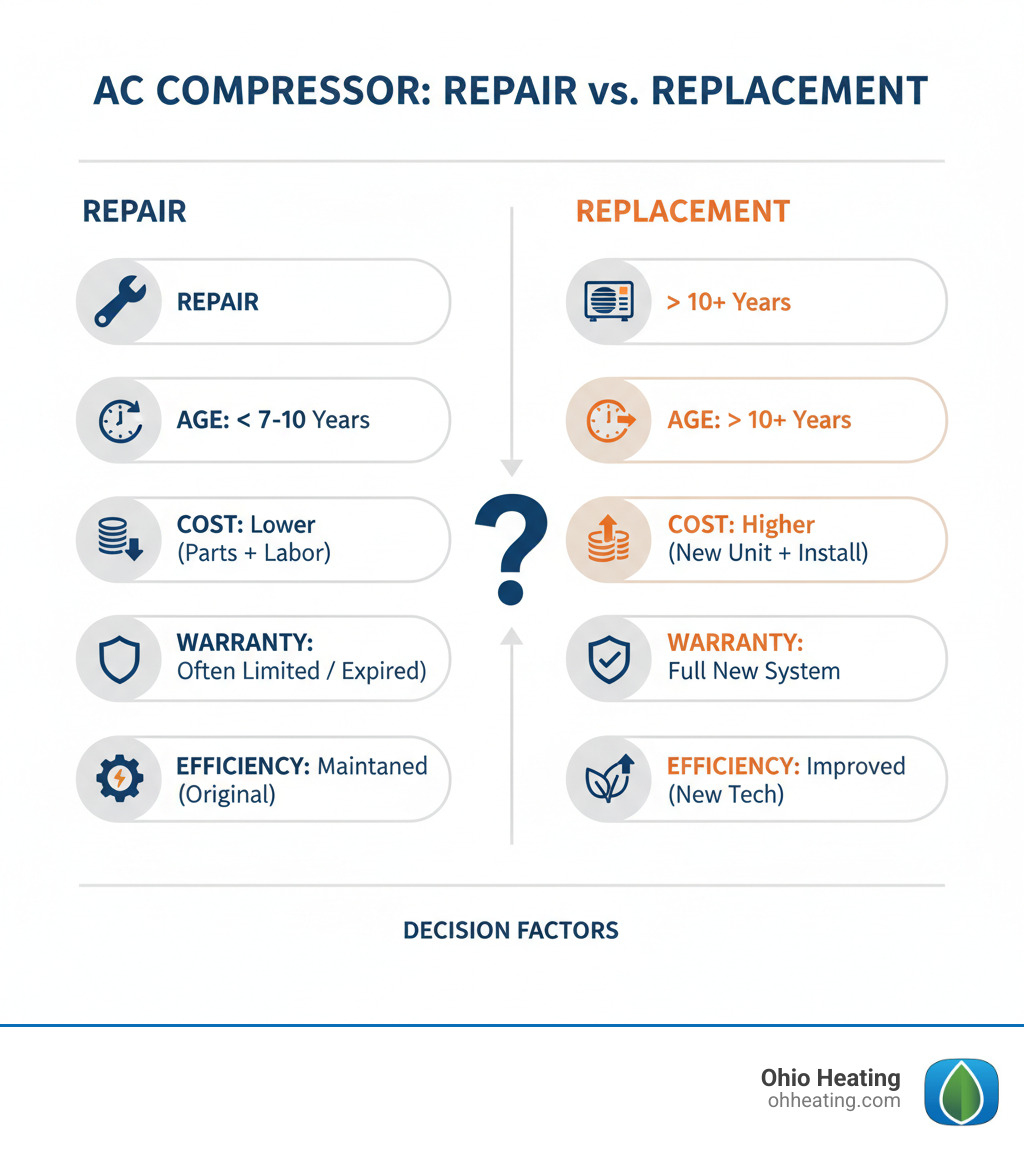
The right choice depends on your system’s age, the nature of the failure, warranty status, and refrigerant type. There’s no one-size-fits-all answer, but we can help you choose wisely. For a comprehensive look, our guide on Find Out Whether to Repair or Replace Your Air Conditioning Unit covers all the angles.
When to Repair the Compressor
In many cases, AC compressor repair is a smart, cost-effective choice. Consider repair if:
- Your unit is under 10 years old. A younger system likely has plenty of life left in its other components, making a targeted repair a good investment.
- The compressor is under warranty. Many manufacturers offer 10-year compressor warranties. If covered, you only pay for labor, dramatically reducing your cost.
- The problem is a minor electrical issue. A faulty start capacitor, contactor, or damaged wiring can often be fixed for $100 to a few hundred dollars without replacing the compressor itself. See What to Expect: Average AC Repair Prices in Columbus, Ohio for local cost context.
- Your system uses R-410A refrigerant. This modern standard is readily available and reasonably priced, making repairs more straightforward.
If the repair cost is relatively low and your system is in good shape otherwise, repair is usually the sensible path.
When to Replace the Compressor or Entire System
Sometimes, replacement is the wiser long-term investment. Consider replacement if:
- Your unit is over 10-15 years old. An aging system is at the end of its lifespan. Replacing the compressor is like putting a new engine in an old car—other parts are likely to fail soon.
- You’ve had frequent breakdowns. If you’re constantly calling for repairs, your system is signaling that it’s time for retirement. Continuing to patch it up becomes a money pit.
- The repair cost exceeds 50% of replacement cost. A new system costs more upfront but includes a full warranty and modern efficiency. For installation cost details, see Air Conditioning Installation Costs Columbus Ohio Insights.
- Your system uses R-22 refrigerant (Freon). R-22 is being phased out, and its price has skyrocketed. A new system using modern R-410A refrigerant will save you money and future headaches.
- You want to reduce energy bills. A new system with a higher SEER (Seasonal Energy Efficiency Ratio) rating can be significantly more efficient, paying for itself over time through lower operating costs.
The Professional AC Compressor Repair Process
While a DIY approach might seem tempting to save money, AC compressor repair is a complex and hazardous job that should only be handled by certified professionals. It involves high-voltage electricity, regulated materials, and specialized tools to ensure the job is done safely and correctly. Choosing the right provider is critical; our guide on What to Consider When Choosing AC Repair Services can help you make an informed decision.
DIY vs. Professional AC Compressor Repair: A Word of Caution
Attempting a DIY compressor repair is risky and can lead to more significant problems. Here’s why you need a professional:
- Electrical Hazards: AC units use high-voltage electricity, creating a serious risk of injury or death if handled improperly.
- Illegal Refrigerant Handling: Handling refrigerant requires special certification. According to the Environmental Protection Agency (EPA) Section 608 requirements, releasing it into the atmosphere is illegal and carries heavy fines. Only certified technicians can legally manage refrigerants.
- Voided Warranties: Most manufacturers will void your warranty if an unauthorized person works on the system, leaving you responsible for the full cost of any damage.
- Specialized Equipment: Professionals use tools like refrigerant recovery machines, vacuum pumps, and manifold gauges that are essential for a successful repair. Without them, you risk contaminating the system and causing the new part to fail.
What to Expect During a Service Call
When you call Ohio Heating for an AC compressor repair, our technicians follow a meticulous process:
- System Diagnosis: We perform a full system inspection to confirm the compressor is the root cause, checking electrical components, refrigerant levels, and more.
- Refrigerant Recovery: We use specialized equipment to safely and legally recover all refrigerant from the system before starting work.
- Compressor Removal & System Flush: The failed compressor is disconnected and removed. We then flush the entire system to remove contaminants like metal shavings and old oil that could damage the new compressor.
- New Compressor Installation: The new compressor is installed with fresh seals to prevent leaks, and the correct type and amount of oil are added for lubrication.
- Vacuum and Recharge: We use a vacuum pump to remove all air and moisture, which can cause blockages and reduce efficiency. The system is then recharged with the precise amount of refrigerant required by the manufacturer.
- Testing and Verification: We conduct thorough tests to check system pressures, look for leaks, and verify that your AC is cooling optimally.
A minor repair may take 1-3 hours, while a full compressor replacement typically requires 4-8 hours. We take the time to do it right the first time to ensure lasting performance.
How to Prevent AC Compressor Failure
The best way to handle AC compressor repair is to avoid it altogether. Proactive maintenance is the key to a long-lasting, efficient AC system and can save you thousands in premature replacement costs. By following a few key practices, you can extend your compressor’s lifespan, improve efficiency, and prevent unexpected breakdowns. For comprehensive care, explore our Residential HVAC Services.
Key Maintenance Practices
- Regularly change air filters. Dirty filters restrict airflow, forcing your system to work harder and straining the compressor. Check filters monthly and replace them every 1-3 months.
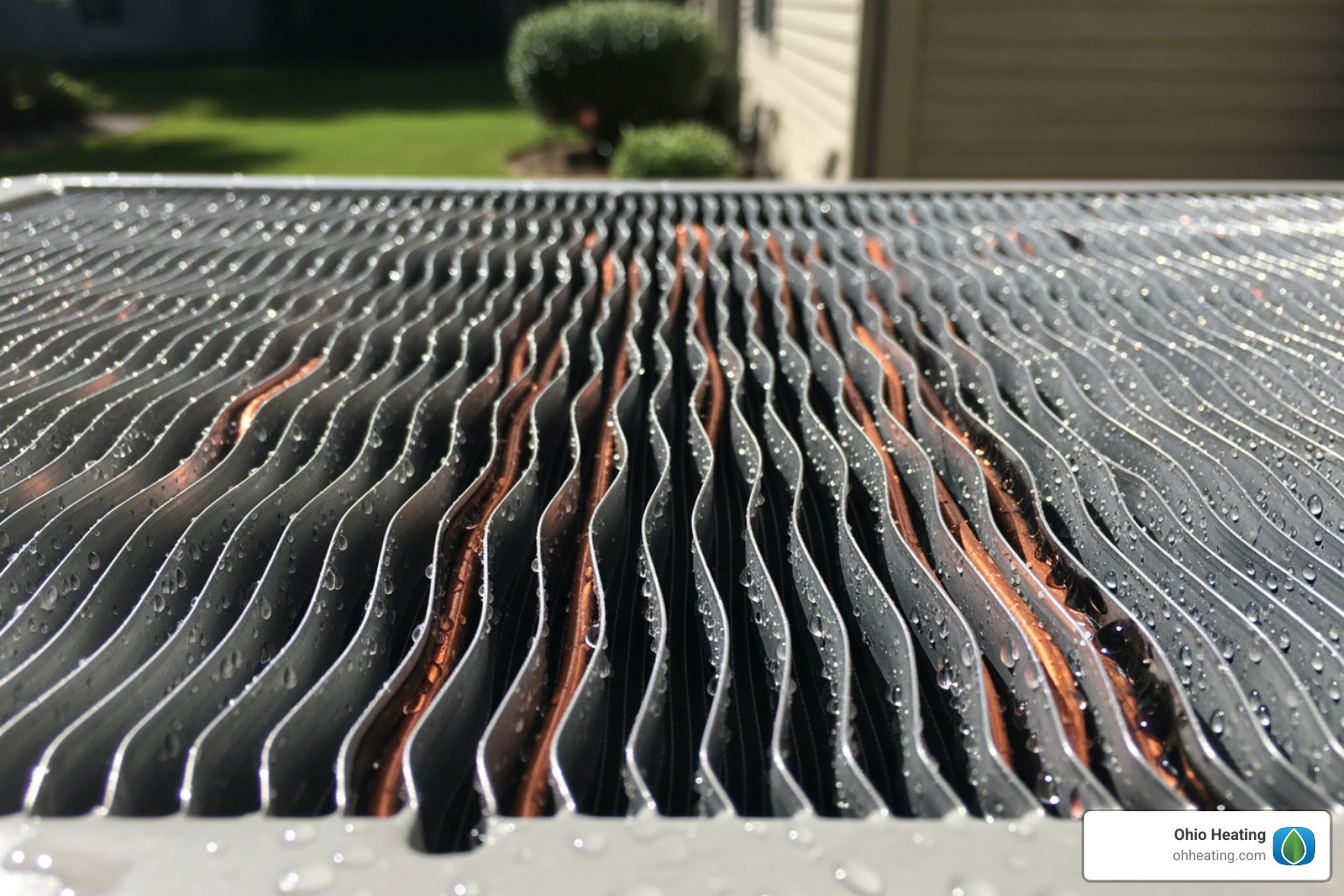
- Keep condenser coils clean. The outdoor unit’s coils can get caked with dirt, leaves, and debris, which traps heat and forces the compressor to overwork. Gently clean them with a hose once or twice a year.
- Ensure proper airflow. Keep indoor vents clear of furniture and curtains. Outdoors, trim vegetation at least two feet away from the condenser unit to give it room to breathe.
- Check refrigerant levels annually. A professional should check for leaks. Low refrigerant makes the compressor work harder and can lead to overheating and failure.
- Schedule annual professional tune-ups. This is the most important step. A certified technician will perform a comprehensive inspection, cleaning, and tune-up. We check electrical components, lubricate parts, assess refrigerant levels, clean coils, and inspect ductwork for issues like those addressed by our Ductwork Installation services. An annual tune-up is a small investment that prevents the vast majority of compressor failures.
Frequently Asked Questions about AC Compressor Repair
Property managers and business owners in Columbus, OH often have questions about AC compressors. Understanding how these vital components work helps you make smart decisions for your property. Here are answers to the most common concerns.
Can an AC compressor be repaired, or must it be replaced?
It depends on the problem. AC compressor repair is often possible for external electrical issues, such as a faulty capacitor, contactor, or bad wiring. These repairs are affordable and can get your system running again quickly.
However, if the compressor has an internal mechanical failure—like a seized motor or broken pistons—it must be replaced. Compressors are hermetically sealed units, and repairing internal damage is not feasible or cost-effective. A technician can diagnose whether the issue is external and repairable or internal and requires replacement.
How much does an AC compressor repair or replacement cost?
Costs for AC compressor repair and replacement vary widely, from around $100 to over $4,000.
- Minor Repairs: Fixing external electrical components like a capacitor or relay typically costs $100 to $500.
- Compressor Replacement: A full replacement, including the part and labor (refrigerant recovery, system flushing, installation, and recharging), generally costs $400 to $4,000.
Several factors influence the final price: the compressor’s brand and type, warranty status, the system’s refrigerant type (older R-22 is very expensive), and the complexity of the installation. For more on local pricing, see What to Expect: Average AC Repair Prices in Columbus, Ohio. Commercial systems may have higher costs; learn more about our Commercial HVAC Repair & Replacement services.
Is it worth fixing a 15-year-old AC compressor?
In most cases, no. We typically recommend replacing the entire AC unit if the compressor fails on a system that is 15 years or older. Here’s why:
- End of Lifespan: An AC system’s typical lifespan is 10-15 years. If the compressor has failed, other major components like the fan motor and coils are likely near failure too.
- Poor Efficiency: Even with a new compressor, an old system will be far less energy-efficient than a modern unit. A new, high-SEER system can lead to significant savings on utility bills.
- Obsolete Refrigerant: Many older systems use R-22 (Freon), which is phased out and extremely expensive. A new system uses affordable, modern R-410A refrigerant.
- New Warranty: A new system comes with a full warranty, providing peace of mind and protecting you from the cost of future breakdowns.
While the upfront cost is higher, the long-term value and reliability of a new system almost always make it the better investment. If your system shows multiple warning signs, our guide on 7 Crucial Signs Your HVAC System Needs Immediate Repair can help you decide.
Conclusion
Your AC compressor is the heart of your cooling system. Recognizing the warning signs of failure—like warm air, strange noises, and high energy bills—is the first step toward preventing a complete breakdown. While some issues can be resolved with a simple AC compressor repair, others may require a full replacement, especially in older systems.
The decision to repair or replace depends on your system’s age, warranty, and overall condition. However, this is not a DIY job. Due to electrical hazards and strict regulations on refrigerant handling, compressor work must be left to certified professionals.
The best strategy is prevention. Regular maintenance, including changing filters, cleaning coils, and scheduling annual professional tune-ups, can significantly extend your compressor’s life and save you from costly, unexpected repairs.
Since 1999, Ohio Heating has provided expert HVAC services to residential and commercial properties across Columbus and Central Ohio. We understand that a broken AC means lost comfort and productivity. Our certified technicians offer honest guidance and reliable service to diagnose and resolve your compressor issues.
Don’t wait for a small problem to become a major one. Contact us for expert HVAC services and let us keep your property cool, comfortable, and running smoothly.