
Boiler safety check: 5 Critical Tips 2025
Why Your Boiler Deserves More Than a Passing Glance
A Boiler safety check is a professional inspection by a certified technician to ensure your heating system operates safely and efficiently. It mitigates risks like carbon monoxide leaks, gas leaks, fires, and equipment failure.
What a Boiler Safety Check Includes:
- Visual examination of the boiler and components
- Pressure and temperature verification
- Venting and exhaust system assessment
- Burner and flame sensor inspection
- Safety controls testing (relief valves, low-water cutoffs)
- Leak detection for gas and water
- Combustion analysis for carbon monoxide
How Often: Annually, or more frequently for older systems.
Why It Matters: Prevents carbon monoxide poisoning, improves efficiency, extends equipment life, and keeps your warranty valid.
Your boiler works quietly in the background, but that silence can be dangerous. Research shows that 33% of homeowners consider skipping their annual boiler safety check due to budget constraints. Yet, neglecting this maintenance can be severe. Gas-related incidents are on the rise, and in the UK, seven people die annually from carbon monoxide poisoning from unsafe gas appliances.
For property managers and business owners, a boiler failure can halt operations, damage property, and create liability. The good news is that a proper boiler safety check catches problems before they become emergencies, protecting your occupants, equipment, and peace of mind.
The Silent Dangers: Understanding Boiler-Related Risks
Boilers pose inherent risks if not properly maintained. Ignoring them can lead to health hazards and property damage.
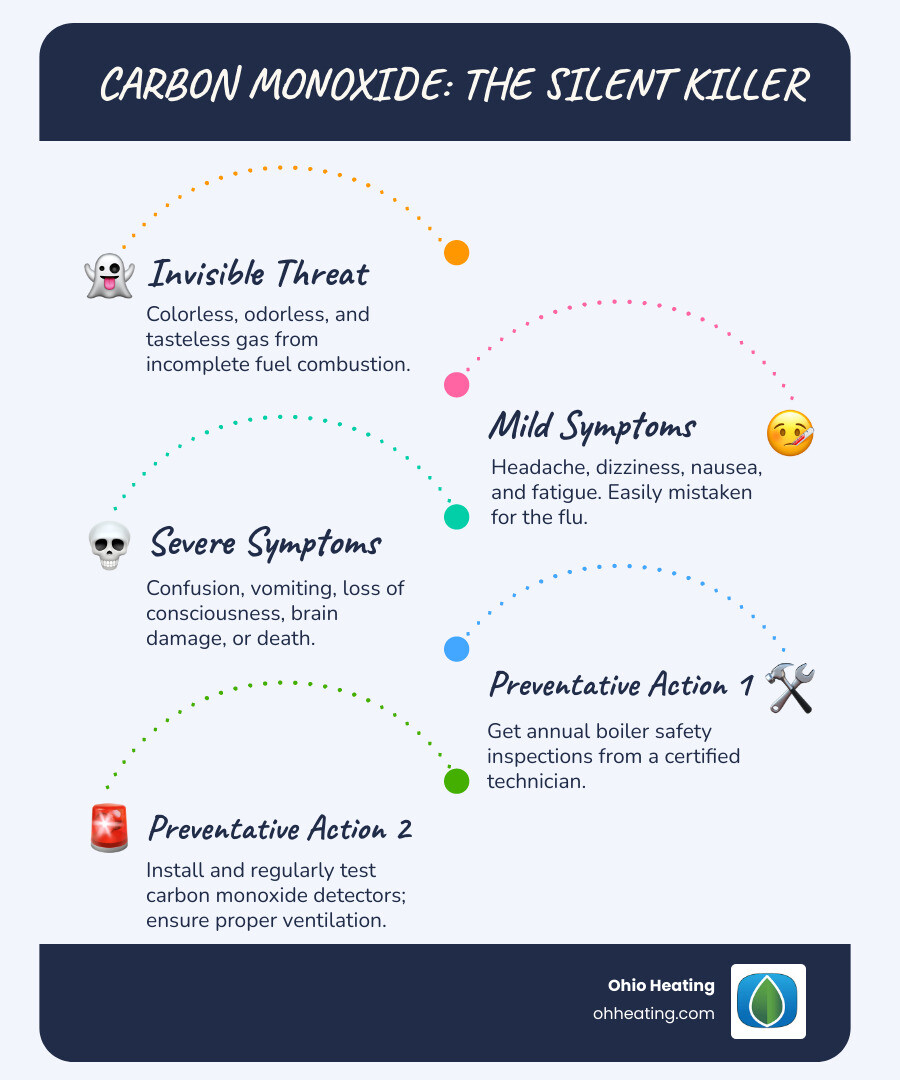
- Carbon Monoxide (CO): This colorless, odorless “silent killer” is produced by incomplete fuel combustion. A CO leak can cause flu-like symptoms, unconsciousness, or death, highlighting the need for a working CO detector. A tragic local example occurred when a family died after an improperly installed water heater was not inspected.
- Gas Leaks: A distinct “rotten egg” smell indicates a gas leak, which is a critical fire and explosion hazard. Faulty connections or corroded parts are common causes.
- Fires and Explosions: Though rare, these catastrophic events can result from gas leaks, malfunctioning ignition systems, or excessive pressure buildup.
- Pressure-Related Incidents: Boilers operate under pressure. If safety valves fail, the pressure can become dangerously high, leading to ruptures. Pressure relief valves are a critical safety component.
- Water Damage: Leaks from corroded pipes or faulty seals can cause costly structural damage and mold growth. Our article on Urgent Boiler Repair: 5 Critical Signs You Can’t Ignore explains how to recognize these issues.
By the Numbers: The Reality of Unchecked Boilers
Statistics paint a stark picture of why regular professional attention is a necessity. The rise in gas-related incidents and annual CO poisoning fatalities are grim reminders of the risks.
Perhaps most unsettling is the homeowner knowledge gap. While 98% of homeowners felt their homes were gas safe, only 0.2% could correctly identify dangerous conditions. This disconnect puts lives at risk.
While budget constraints cause many to skip checks, the cost of a professional boiler safety check is minor compared to emergency repairs, property damage, or loss of life. As statistics show, nearly 80% of home heating systems could benefit from regular safety inspections. This is about optimizing performance and ensuring your Columbus, Ohio, property remains safe.
The Comprehensive Boiler Safety Check: What’s Included?
When you schedule a professional boiler safety check, you’re getting a thorough, systematic examination designed to catch problems before they become emergencies. Our certified technicians follow a detailed protocol to ensure your boiler operates safely and efficiently.
In Ohio, commercial and industrial boilers fall under strict oversight from the Ohio Department of Commerce, which mandates regular inspections. For residential systems, annual checks are essential for safety, warranty validity, and energy efficiency. Since 1999, Ohio Heating has followed a comprehensive checklist that leaves nothing to chance.
The Professional Inspection Checklist
During a boiler safety check, our technicians use specialized tools and training to perform a detailed assessment. Here’s what’s included:
- Visual Examination: We inspect the boiler’s exterior, pipes, and connections for corrosion, rust, water stains, or physical damage.
- Pressure and Temperature Check: We verify the system is operating within the manufacturer’s specified safe pressure and temperature ranges.
- Venting and Exhaust System: We check flues and vents for blockages, damage, or corrosion to ensure combustion byproducts, including CO, are exiting the building safely.
- Burner and Flame Sensor: We examine the burner for cleanliness and check for a healthy blue flame. A yellow or orange flame indicates incomplete combustion and CO production. The flame sensor is tested to ensure it’s functioning correctly.
- Safety Controls: We test critical safety devices like the pressure relief valve, low-water cutoff (for steam boilers), and high-temperature limit switches to ensure they can prevent a disaster.
- Electrical Connections: All wiring is inspected for wear, corrosion, or loose terminals that could pose a fire hazard or cause system failure.
- Leak Detection: Using specialized equipment, we check for even the smallest gas and water leaks that could lead to safety risks or property damage.
- Combustion Analysis: A flue gas analyzer measures the exact composition of exhaust gases to confirm clean, efficient combustion and detect any carbon monoxide production.
- Operational Check: We observe a full heating cycle, listening for unusual noises like banging or gurgling that can indicate underlying problems.
For commercial properties in Columbus, these inspections are critical to prevent operational downtime and liability. Our team specializes in Commercial Boiler Sales and Repairs and understands the unique demands of larger systems.
Boiler Safety Check vs. Boiler Service: What’s the Difference?
A boiler safety check and a full boiler service overlap but have different goals. A safety check is a focused screening for immediate dangers, while a full service is comprehensive preventive care.
| Feature | Boiler Safety Check | Full Boiler Service |
|---|---|---|
| Primary Focus | Identifying immediate hazards (gas leaks, CO, fire risk) | Comprehensive maintenance, cleaning, and optimization |
| Scope | Essential safety components and basic functionality | All components, including wear parts and efficiency settings |
| Duration | Shorter, focused inspection (typically 1-2 hours) | Longer, more in-depth procedure |
| Key Activities | Leak detection, CO testing, safety control verification, visual inspection | All safety check items PLUS deep cleaning, component lubrication, performance adjustments, parts replacement if needed |
| Outcome | Assurance of safe operation | Optimized efficiency, extended lifespan, reduced breakdowns, safe operation |
| Frequency | Annually at minimum | Annually recommended |
A safety check ensures your boiler isn’t an immediate danger. A full service includes the safety check plus deep cleaning, lubrication, and performance adjustments to prevent breakdowns, extend the boiler’s lifespan, and reduce energy bills. For more on comprehensive maintenance, see our guide on Heating System Tune-Up and Maintenance in Columbus, Ohio.
Preparing Your Home for a Boiler Safety Check
A little preparation helps us perform a thorough inspection. Here’s a quick checklist:
- Clear Access: Ensure there are at least 24 inches of clear space around the boiler.
- Gather Documents: Have the owner’s manual and any service records handy.
- Note Issues: List any strange noises, smells, or heating problems you’ve noticed.
- Secure Pets: Keep pets in another room for their safety and ours.
- Know Your Model: The make and model number, usually on a label on the unit, is helpful.
Telltale Signs Your Boiler is Crying for Help
Your boiler communicates through sounds, smells, and performance issues that signal something is wrong. Ignoring these warning signs can lead to bigger problems, but proactive maintenance is always cheaper and safer than waiting for a breakdown. Here’s what to watch for.
Audible and Visual Warnings
These are the obvious signs that your boiler needs attention:
- Strange Noises: A quiet boiler is a happy boiler. Banging, whistling, gurgling, or knocking sounds are not normal. Banging (“kettling”) can mean sediment buildup, while gurgling often indicates trapped air. These noises warrant a professional inspection.
- Yellow or Orange Pilot Light: A healthy pilot light on a gas boiler is blue. A yellow or orange flame indicates incomplete combustion and is a major red flag for carbon monoxide production. Call for service immediately.
- Soot or Black Marks: Black stains around your boiler are another sign of incomplete combustion and potential CO production. Do not ignore this.
- Water Leaks or Pooling: Any leak, big or small, signals a problem. It could be a corroded pipe, a worn seal, or a faulty valve. Unchecked leaks lead to water damage and compromise your boiler’s integrity.
- Visible Corrosion or Rust: Rust on pipes or the boiler casing indicates moisture problems that weaken components and can lead to leaks or failure.
Our article on Signs Your Boiler Is Running Inefficiently offers more detail on these warnings.
Performance and Cost Indicators
Sometimes the clues are more subtle and appear in your system’s performance or your utility bills:
- Inconsistent Heating: If some rooms are cold while others are hot, your boiler may be struggling with poor circulation or a faulty thermostat.
- Rising Energy Bills: A sudden or steady increase in your heating costs without a change in usage means your boiler is losing efficiency.
- Frequent Cycling (Short Cycling): A boiler that constantly turns on and off is working too hard. This wears out parts and wastes energy.
- Takes Longer to Heat: If your home takes longer to warm up than it used to, it’s a symptom of reduced heating capacity, possibly due to sediment buildup or a failing pump.
While checking your home’s thermostat is a good first step, these issues often require a professional boiler safety check to diagnose correctly.
DIY vs. Professional Inspections: A Homeowner’s Guide
Homeowners in Columbus and Central Ohio can be proactive about their boiler’s health with simple checks. However, there’s a clear line between basic monitoring and a professional boiler safety check, which requires specialized training and tools.

Simple DIY Checks You Can Perform
These basic monthly checks help you spot problems early between professional visits:
- Visual Inspection: Look for water drips, puddles, corrosion, or rust on and around your boiler.
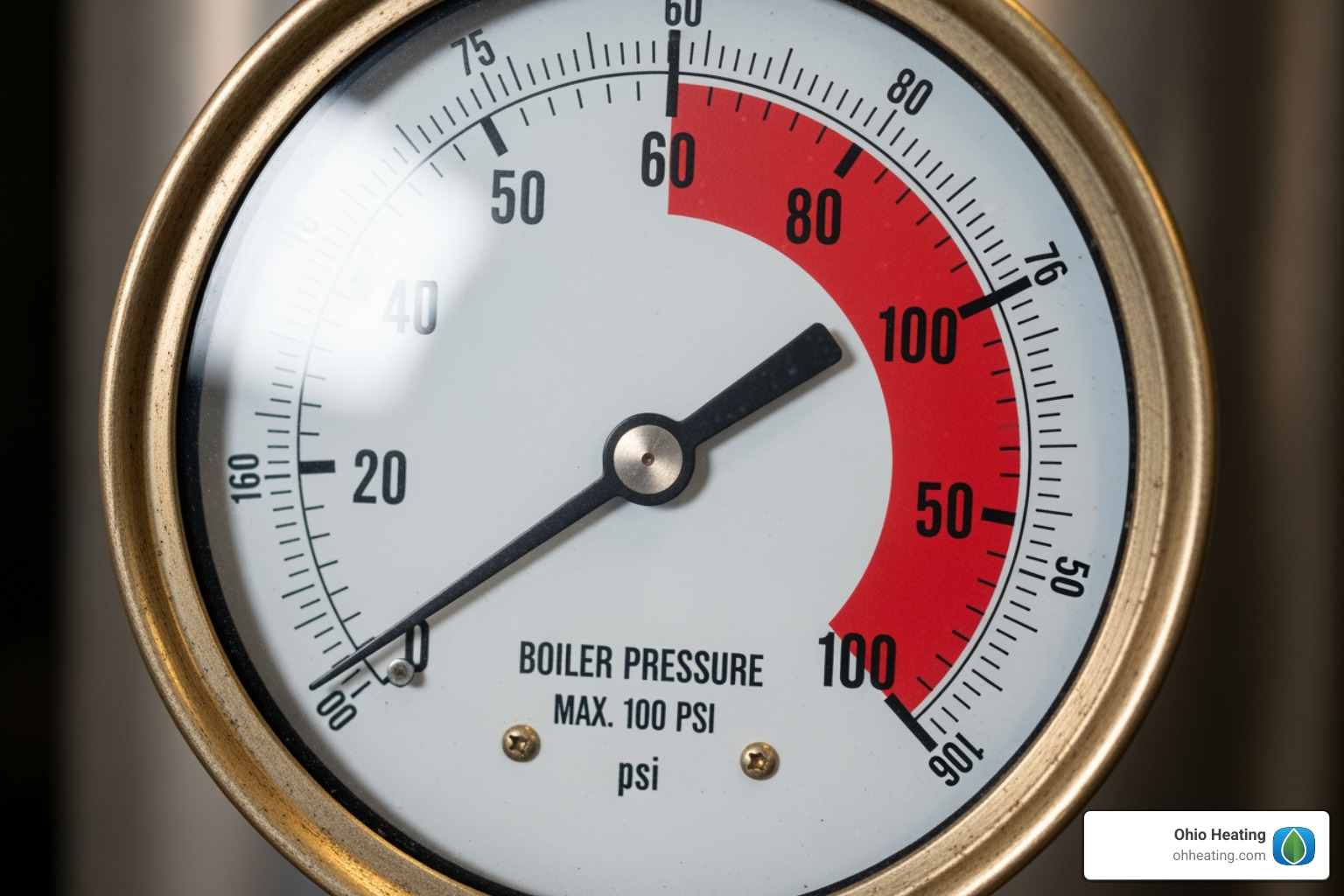
- Pressure Gauge: Check that the pressure is within the normal range (typically 1-2 bars). If it’s consistently too high or low, it needs attention.
- Clear Vents: Keep the area around your boiler clear for airflow. Ensure the exterior exhaust vent is not blocked by leaves, snow, or debris.
- Bleed Radiators: If radiators are cold at the top and warm at the bottom, release trapped air with a radiator key to improve efficiency.
- Test CO Detectors: Press the test button on your carbon monoxide detectors monthly and replace batteries annually. This is a critical life-saving task.
For more tips, The Complete Boiler Inspection Checklist for Homeowners is a useful resource. These are not a substitute for a professional inspection.
Why You Need a Certified Professional for a Boiler Safety Check
DIY checks are valuable, but they can’t detect hidden dangers like carbon monoxide leaks, gas leaks, or impending pressure failures. A proper boiler safety check must be done by a certified professional for several key reasons:
- Specialized Tools and Training: Our technicians use tools like flue gas analyzers to detect CO and gas leak detectors to find tiny, odorless leaks. They are trained to interpret the data and diagnose the root cause of problems, not just the symptoms.
- In-Depth Diagnostics: Professionals can assess internal components like heat exchangers for cracks, make precise combustion adjustments for safety and efficiency, and spot wear patterns that signal future failures.
- Liability and Insurance: Using a licensed, insured professional protects you. DIY repairs can void your warranty and leave you liable for any resulting damage or accidents.
- Code Compliance: Professionals understand and adhere to safety codes and regulations, including the National Board Inspection Code and local Ohio rules. This ensures your system is both safe and legal. Our guide on Boiler Installation Insights for Columbus Homeowners explains why this expertise is vital from day one.
Stay engaged with your boiler, but trust professionals for safety inspections to protect your home, family, and investment.
Frequently Asked Questions about Boiler Safety
How often should I get a boiler safety inspection?
An annual boiler safety check is recommended for most homeowners in Columbus, Ohio. This catches small problems before they escalate. Older systems (15+ years) or those under heavy commercial use may benefit from twice-yearly inspections.
Commercial boilers in Ohio must also comply with inspection requirements set by the Ohio Department of Commerce. Regardless of schedule, if you notice strange noises, smells, or heating issues, call a professional immediately.
What happens if my boiler fails an inspection?
A failed boiler safety check means our technician found an issue that needs attention. You’ll receive a detailed report explaining the problem and its severity. Minor issues can often be fixed on the spot. For critical safety hazards, such as a carbon monoxide leak, we will advise you not to operate the boiler until repairs are complete.
For older systems with extensive damage, we may recommend a replacement and will provide honest options and clear estimates. Our team specializes in boiler repairs and will work to restore your system to safe, efficient operation quickly.
Can a boiler safety check lower my energy bills?
Yes, a professional boiler safety check also optimizes your system’s efficiency, which can significantly lower energy bills. Our technicians address common energy-wasting problems:
- Incomplete Combustion: Adjusting the air-to-fuel ratio ensures you’re not wasting fuel.
- Incorrect Pressure: We verify the system operates at the manufacturer’s recommended pressure, preventing it from working harder than necessary.
- Sediment and Buildup: Cleaning internal components improves heat transfer, so the boiler uses less fuel to heat water.
By catching and fixing these issues, we ensure your heating dollars are spent effectively. Regular maintenance, as recommended by Energy Star, can reduce energy bills by 10-15% compared to neglected systems.
Your Partner in Home Comfort and Safety
Your boiler is essential for your home or business, but it shouldn’t be a source of worry. At Ohio Heating, we’ve served Columbus and Central Ohio since 1999 with a focus on prevention. Our goal is to stop boiler emergencies before they happen, ensuring your comfort and preventing costly downtime.
Building long-term safety starts with an annual professional boiler safety check. Between visits, perform simple DIY checks like monitoring pressure and testing CO detectors. Address any issues promptly, as small problems can escalate quickly.
Gas Leak Emergency Procedure: If you smell rotten eggs (natural gas), evacuate immediately. Do not use light switches or phones inside. Once safely outside, call your gas provider’s emergency line or 911.
Choosing an HVAC partner is about trust. Ohio Heating has built its reputation on reliability, clear communication, and respect for your property. Our certified technicians have the expertise to keep your heating system running safely and efficiently.
Whether you need a routine boiler safety check, emergency repairs, or a new installation, we are here to help. Get your boiler serviced by a professional at Ohio Heating and gain the peace of mind that comes from knowing your system is in capable hands. Your comfort and safety are our promise.