
Home boiler service: 5 Signs to Prevent Costly Repairs
Why Your Boiler Deserves More Attention Than It Gets
Home boiler service is professional maintenance and inspection of your heating system, typically performed annually, to ensure safe operation, optimal efficiency, and prevent costly breakdowns before they happen.
Quick Answer: What You Need to Know About Boiler Service
- How Often: Annual service recommended, ideally before winter
- What It Includes: Safety checks, component cleaning, pressure testing, flue gas analysis, and efficiency verification
- Average Cost: $149-$249 for routine service; $200-$800 for repairs
- Typical Lifespan: 15-20 years with proper maintenance
- When to Replace: If repair costs exceed 50% of replacement cost, or system is over 15 years old
- Emergency Signs: Strange noises, gas odors, water leaks, no heat, or frequent shutdowns
We’ve all been there. You wake up on a freezing January morning, turn up the thermostat, and… nothing. Your boiler has decided to take a vacation at the worst possible time.
For property managers and business owners, a failed boiler isn’t just an inconvenience—it’s a crisis. It can lead to tenant complaints, the risk of frozen pipes, and emergency repair bills that easily hit thousands of dollars. The good news? Most boiler breakdowns are preventable.
Regular servicing protects your investment, ensures occupant safety, and prevents mid-winter emergencies. While a well-cared-for boiler can last 15 to 30 years, neglect often leads to early failure and unexpected replacement costs that average $5,700 nationally.
Beyond the financial impact, there’s a more serious concern: safety. A faulty boiler can leak carbon monoxide, a colorless, odorless gas that’s responsible for hundreds of deaths annually. It can also waste energy, driving up utility bills by 25% or more as efficiency drops.
This guide will show you what proper boiler maintenance involves, how to spot warning signs, and when it makes more sense to repair versus replace your system.
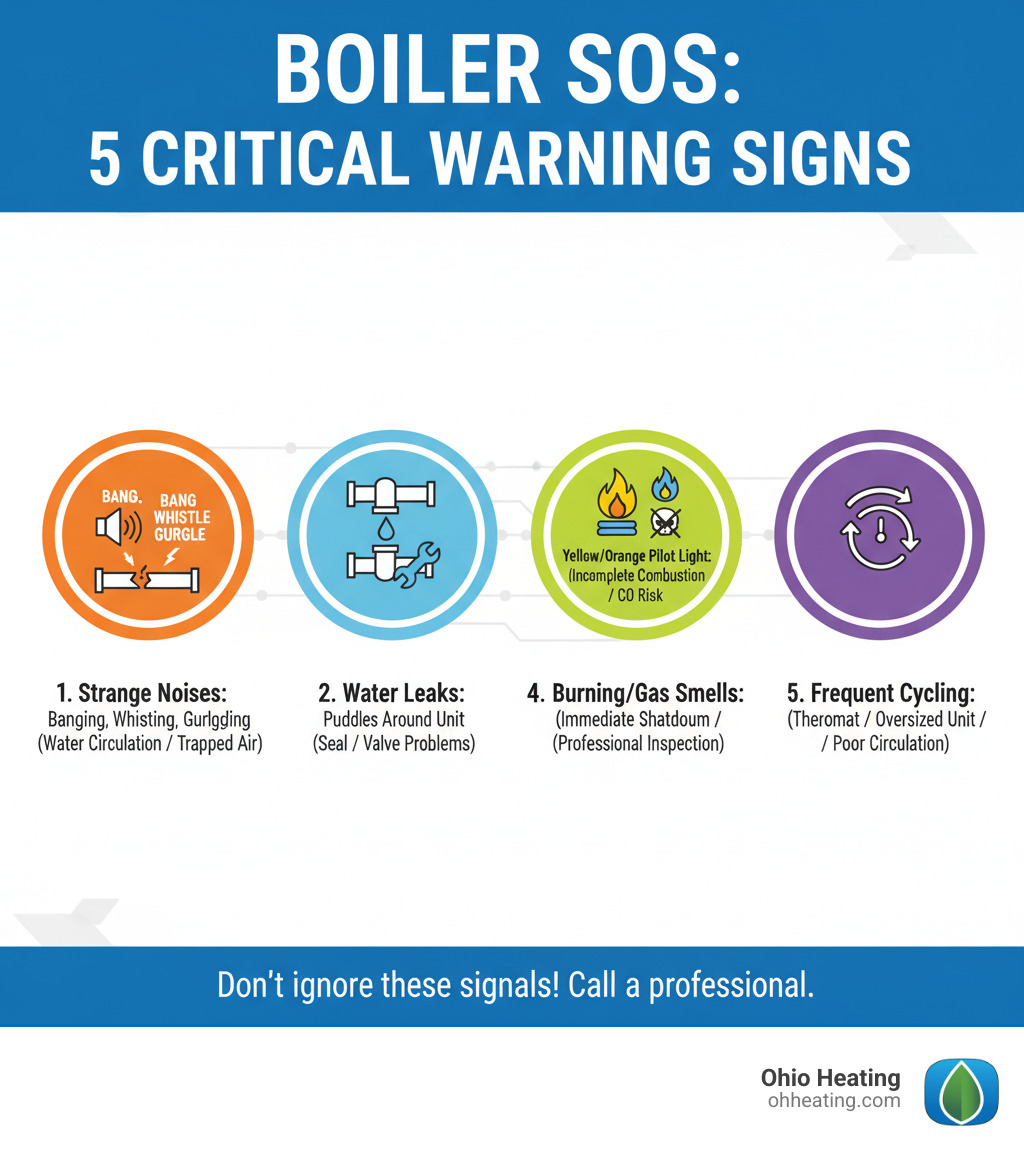
Is Your Boiler Trying to Tell You Something?
Your boiler will often give you warning signs before it completely quits. Recognizing these signals early, when they’re still minor issues, can save you from a costly mid-winter emergency. More importantly, it protects your family from serious safety hazards like carbon monoxide exposure.
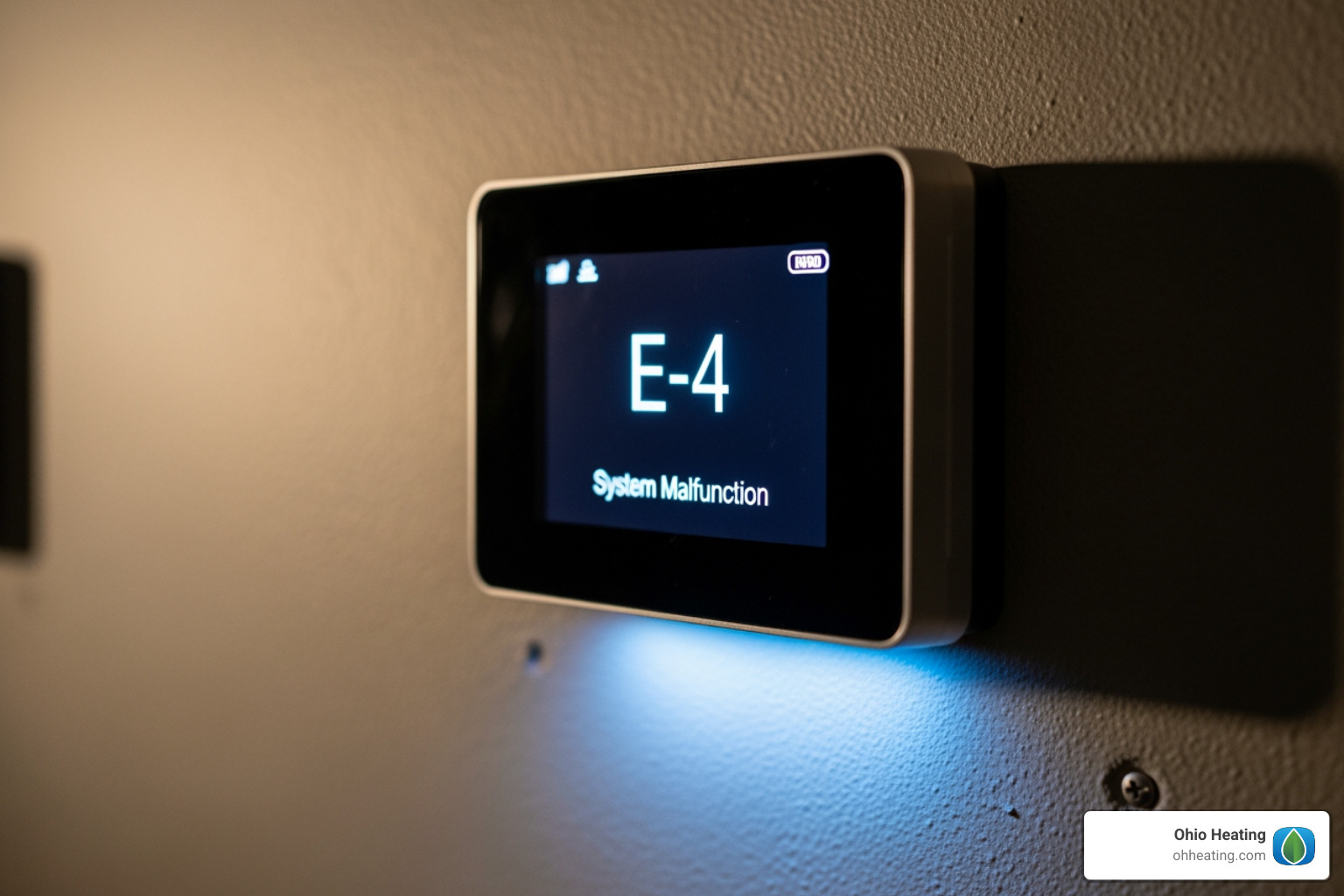
Pay attention if you notice performance issues like cold radiators, lukewarm water, or a boiler that keeps shutting off. These are clear signs your system is struggling. For a deeper dive into the most critical warning signs, check out our guide on Urgent Boiler Repair: 5 Critical Signs You Can’t Ignore.
What are the signs that indicate a boiler needs repair?
Here’s a breakdown of what your boiler might be trying to tell you.
- Strange Noises: Gurgling, whistling, or banging sounds often indicate trapped air, limescale buildup (a process called kettling), or a faulty pump.
- Unusual Smells: A metallic or burning odor suggests an overheating electrical component. If you smell gas or oil, it’s an emergency. Turn off your boiler, open windows, evacuate everyone, and call your gas provider’s emergency line from outside. Do not use light switches or anything that could create a spark.
- Water Leaks: Puddles or drips around your boiler can signal incorrect pressure, failed seals, or a corroded part. Even small leaks waste energy and can cause water damage.
- No Heat or Hot Water: This could be a simple thermostat issue or a more complex problem like a broken pump or malfunctioning burner.
- Pilot Light Issues: A pilot light that keeps going out may have a dirty thermocouple. If the flame is yellow or orange instead of a crisp blue, it indicates incomplete combustion and a dangerous carbon monoxide risk. This requires immediate professional attention.
- Low Pressure: If your boiler’s pressure gauge is low, it can’t circulate water effectively. This is usually caused by a leak somewhere in the system.
- Rising Energy Bills: A sudden jump in your heating costs means your boiler’s efficiency has dropped due to age or a developing mechanical problem.
If you’re in New Albany and noticing any of these signs, our team specializes in Boiler Repair and Maintenance in New Albany Ohio.
What are the most common boiler problems and their solutions?
Most boiler problems are fixable, especially when caught early. Here are the issues we see most often.
- No Heat or Hot Water: Always check your thermostat settings and batteries first. If that’s not the issue, you may have a problem with the pilot light or an internal component that needs a professional diagnosis.
- Low Pressure: You may be able to add pressure yourself using the boiler’s filling loop (check your manual), but if the pressure keeps dropping, a technician needs to find and fix the leak.
- Strange Noises (Kettling): Banging or whistling usually means limescale or sludge has built up inside. A professional power flush can resolve this and improve efficiency.
- Leaking Boiler: Shut down the unit and call for service immediately. Leaks can come from loose connections, corroded pipes, or failed valves and cause significant damage if ignored.
- Frozen Condensate Pipe: In high-efficiency boilers, this pipe can freeze in cold weather, causing a shutdown. It can be thawed with warm water, but it’s safer to have a professional handle it.
- Radiators Not Heating Up: If a radiator is cold at the top, it may have trapped air that you can release by bleeding it with a radiator key. If the whole system is affected, you likely have a circulation or sludge problem that requires a pro.
While some minor fixes are DIY-friendly, most home boiler service and repairs are best left to qualified professionals. For Dublin residents, we offer comprehensive Boiler Repair and Maintenance in Dublin Ohio.
The Proactive Approach to Your Home Boiler Service
Just like your car, your boiler needs regular attention to run reliably. A proactive approach with annual home boiler service is a smart investment that maximizes efficiency, ensures your family’s safety, extends your system’s lifespan, and is often required to maintain your manufacturer’s warranty.
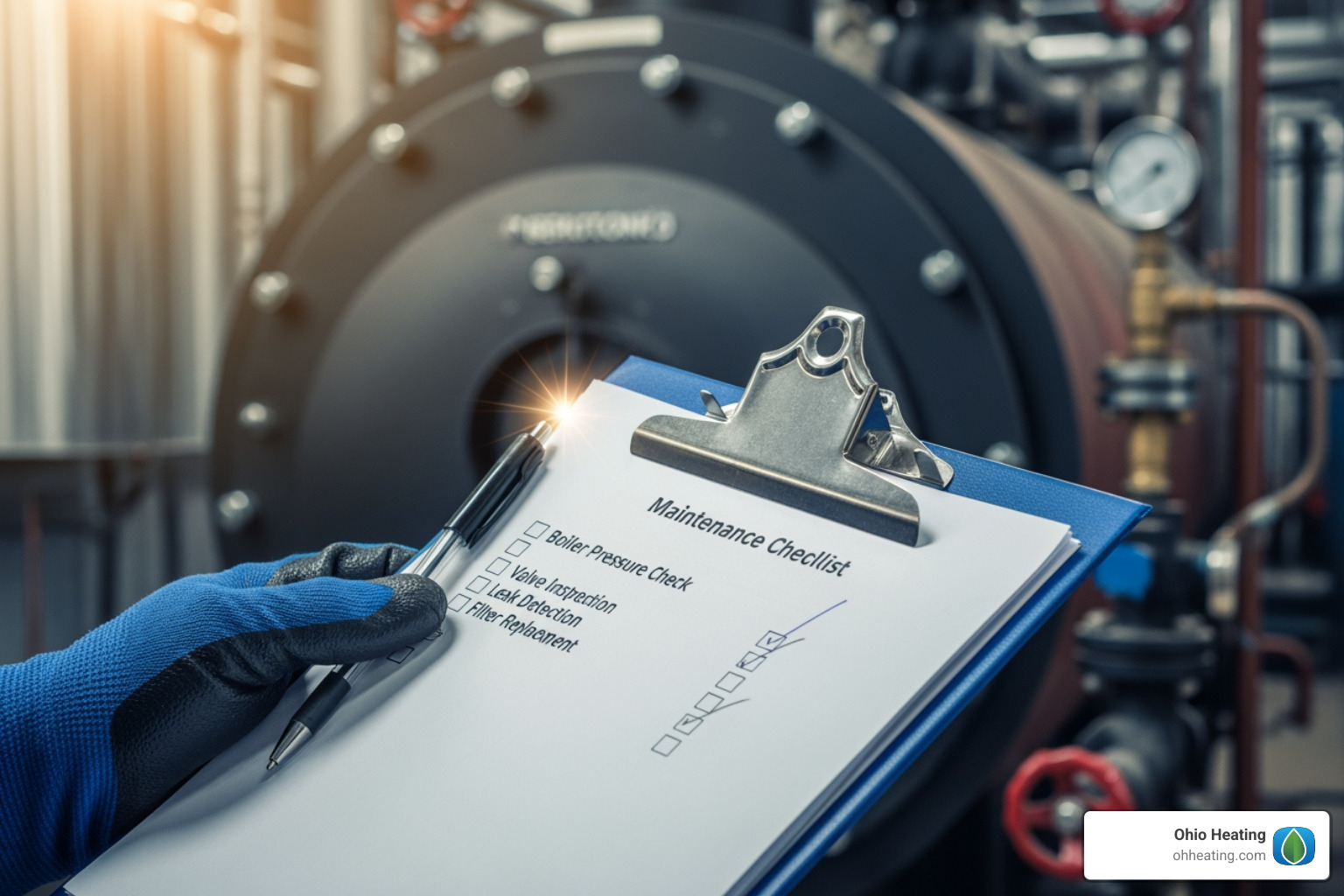
Regular maintenance catches small problems before they become expensive emergencies, giving you confidence that your home will stay warm all winter. Skipping checkups could mean paying out-of-pocket for repairs that would have otherwise been covered.
How often should a boiler be serviced, and what does maintenance typically involve?
We recommend scheduling your boiler service once a year, every year. The best time is late summer or early fall, before you need to turn on the heat and before technicians get busy with emergency calls.
When our NATE-certified technicians perform an annual service, they follow a comprehensive checklist to ensure your system is safe and efficient. A typical service visit includes:
- Visual Inspection: Checking the boiler and connected pipes for any signs of corrosion, leaks, or installation issues.
- Internal Cleaning and Inspection: Opening the casing to clean and inspect the burner, heat exchanger, and ignition system.
- Pressure and Safety Valve Check: Verifying that the system pressure is correct and the pressure relief valve is functioning properly.
- Flue Gas Analysis: Using specialized equipment to analyze combustion gases, ensuring the boiler is burning fuel efficiently and not producing carbon monoxide.
- Safety Control Tests: Testing all thermostats, sensors, and switches to ensure they will shut the boiler down in case of a fault.
- Final Operation Check: Running the boiler through a full cycle to confirm everything works together as it should.
This thorough maintenance can save you up to 25% on your fuel bills by keeping your system at peak efficiency. For residents in Westerville, our team provides expert Boiler Repair and Maintenance in Westerville Ohio.
How long do boilers typically last, and what affects their lifespan?
A well-maintained boiler typically lasts 15 to 20 years, and some can even reach 30 years with exceptional care. However, that longevity isn’t guaranteed. The lifespan of your boiler depends on several key factors:
- Annual Professional Servicing: This is the single most important factor. Regular maintenance prevents small issues from becoming major failures and keeps the system running without unnecessary strain.
- Water Quality: Hard water, common in Ohio, can cause limescale buildup inside the boiler. This forces the system to work harder, reducing efficiency and shortening its life.
- Proper Installation: A boiler that is incorrectly sized for your home—either too large or too small—will cycle inefficiently and wear out components faster.
- Usage and Unit Quality: A system in a large home with high heating demands will naturally experience more wear. Higher-quality units from reputable manufacturers also tend to outlast budget models.
An ignored boiler may fail before it reaches 15 years, while one that receives annual professional attention can reliably heat your home for two decades or more. For more insights, explore our page on Residential Boilers.
Repair, Replace, or Upgrade? Making the Right Financial Decision
Every homeowner eventually faces the decision: repair an aging boiler again, or invest in a new system? The choice involves weighing the immediate repair cost against the long-term benefits of replacement, such as energy savings, improved reliability, and increased home value.
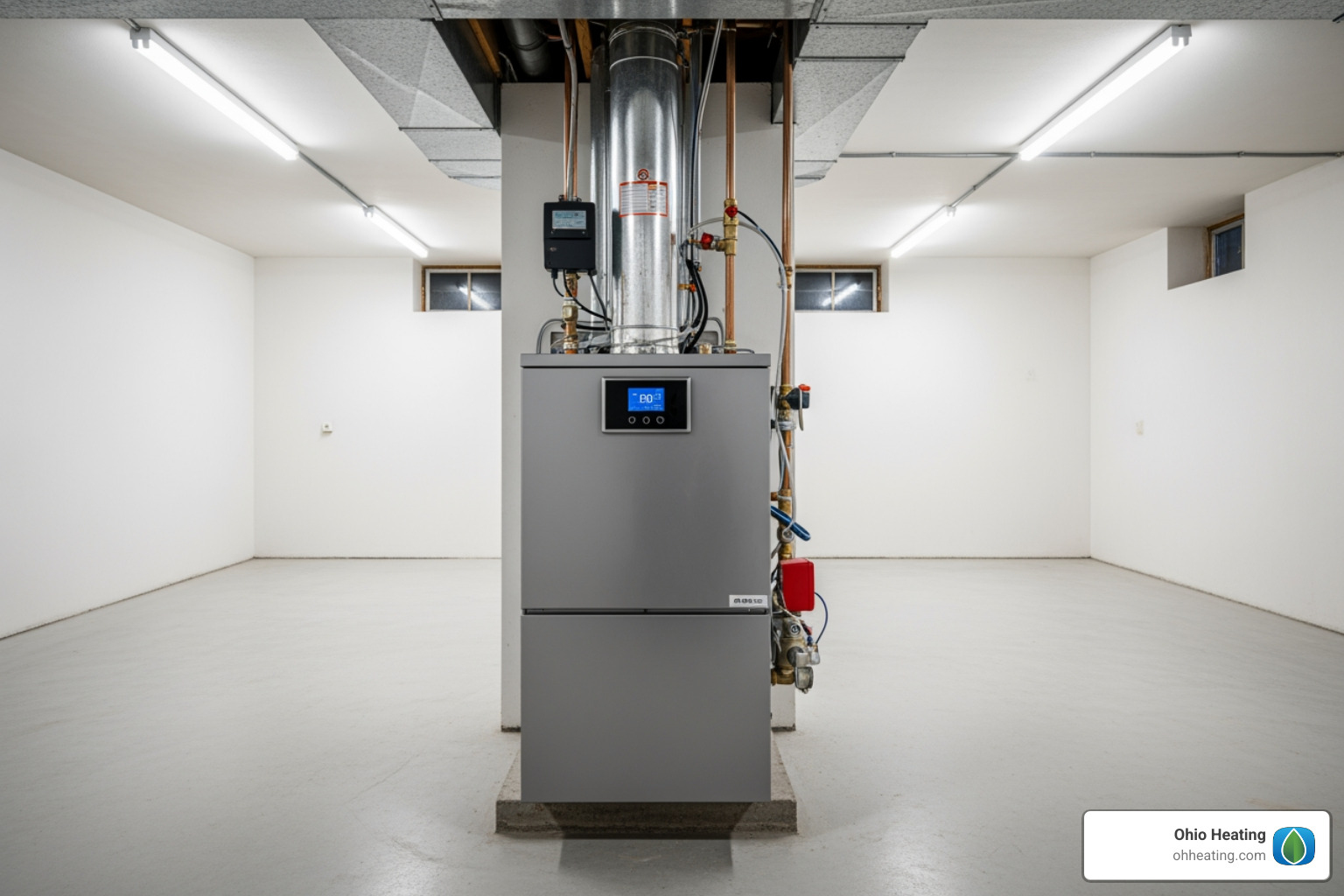
If your boiler breaks down frequently or your energy bills are climbing, it may be time to consider an upgrade. A new home boiler service installation can provide better efficiency, a smaller carbon footprint, and more consistent comfort, saving you money over time.
What are the benefits of installing a new boiler system?
Investing in a new boiler system offers significant advantages for your Columbus home:
- Improved Efficiency: Modern high-efficiency boilers can cut your heating bills by 25% or more compared to older systems.
- Lower Carbon Footprint: New boilers use less fuel, resulting in fewer greenhouse gas emissions.
- Reliability and Warranty: Enjoy the peace of mind that comes with new components and a comprehensive manufacturer’s warranty.
- Quieter Operation: Modern units run much more quietly than the noisy systems of the past.
- Better Heating Control: Many new boilers integrate with smart thermostats, allowing for precise temperature management and remote access.
- Increased Home Value: A new, efficient heating system is an attractive selling point for potential buyers.
For expert guidance on new installations in Westerville, our team at Boiler Installation and Replacement in Westerville Ohio is ready to help.
What factors should be considered when replacing or installing a new boiler?
Choosing the right boiler is a major decision. Our technicians help homeowners consider these key factors:
- Home Size and Insulation: This determines the heating capacity (measured in BTUs) your boiler needs.
- Number of Bathrooms: Crucial for sizing a combination (combi) boiler to meet your hot water demands.
- Budget: We can help you balance upfront costs with long-term energy savings.
- Fuel Type: Your options will depend on whether you have access to natural gas, oil, or electricity.
- AFUE Rating: The Annual Fuel Utilization Efficiency rating tells you how efficiently the boiler converts fuel into heat. Higher is better.
- Available Space: The physical dimensions of your utility area will influence which units can fit.
Making an informed decision ensures you’ll enjoy optimal comfort and efficiency for years to come. For more detailed guidance, explore our Boiler Installation Insights for Columbus Homeowners.
How much does home boiler service and replacement cost?
Understanding the costs of home boiler service is key to planning. At Ohio Heating, we provide upfront pricing so you know what to expect.
Repair costs for boilers typically fall in the $200 to $800 range. Simple fixes are on the lower end, while replacing a major component like a pump will cost more.
Replacement and installation costs vary. The national average for a new boiler is around $5,700, but the final price depends on the unit and installation complexity. Gas and oil boilers typically cost between $4,000 and $9,000, while propane and electric boilers range from $1,000 to $8,000. These prices are for the unit itself. Professional installation labor averages $45 to $200 per hour.
While the initial investment is significant, a new boiler often leads to long-term savings through increased energy efficiency and fewer repairs.
For detailed estimates in Dublin, please visit our page on Boiler Installation and Replacement in Dublin Ohio.
Decoding Your Heating System: A Guide to Boiler Types
Boiler systems differ mainly in how they distribute heat. Understanding these types can help you make informed decisions about repairs, maintenance, or replacement for your Columbus home.
What are the differences between various types of boiler systems?
- Steam Boilers: These classic systems, often found in historic homes, heat water into steam, which then travels through pipes to radiators.
- Hot Water Boilers: Instead of steam, these systems use a pump to circulate hot water to radiators, baseboard units, or in-floor radiant tubing. A variation of this system distributes hot water and heat through tubing embedded in the floor, creating luxurious radiant heat.
- Forced Air Systems (Hydronic): In this hybrid approach, a boiler heats water that flows to a coil inside an air handler. A blower then pushes warm air from the coil through your home’s ductwork.
- Combi, System, and Conventional Boilers: These terms describe how a boiler handles domestic hot water. Combi boilers provide it on-demand, while system and conventional boilers use a separate hot water storage tank.
What are the advantages and disadvantages of different boiler types?
Each heating system has its pros and cons. Radiant systems (steam and hot water) offer quiet, consistent, dust-free heat but are slower to respond to thermostat changes. Forced air systems heat up quickly and can be integrated with central AC, but they can circulate allergens and be noisier. As warm air travels through ducts, a forced air home boiler system loses a lot of the heat it generates before it reaches your living spaces. The table below provides a more detailed comparison.
How does a high-efficiency boiler compare to a standard one, and what is AFUE?
When shopping for a new boiler, you’ll see an AFUE rating, which stands for Annual Fuel Utilization Efficiency. This rating is key to understanding a boiler’s performance.
Think of AFUE as a percentage that tells you how much of every fuel dollar heats your home versus how much is wasted. An older boiler might have a 70% AFUE rating, meaning 30 cents of every dollar is lost. A modern high-efficiency boiler can have an AFUE rating of 90% to 98%, wasting as little as 2 cents per dollar.
This impressive performance comes from condensing technology, which recovers extra heat from exhaust gases that standard boilers simply vent outside. Federal regulations require all new boilers to display their AFUE rating, making it easy to compare models. Upgrading from an old, inefficient boiler to a high-efficiency model can reduce your heating bills by 25% or more, often offsetting a significant portion of the investment over the boiler’s lifespan.
| Boiler Type | Efficiency | Costs | Pros | Cons |
|---|---|---|---|---|
| Steam Boiler | High (often 90-98% AFUE for condensing models) | High installation cost for plumbing/radiators; lower running costs | Even, consistent heat; Excellent indoor air quality (no dust/allergens); Quiet operation; Durable and reliable (fewer moving parts); Can use radiant floor heating or baseboard units | Slower to heat up and cool down; Installation of embedded tubing is expensive and difficult to access; Radiators/baseboards take up wall space and must remain unobstructed; Can be inefficient if distribution system is old; Requires diligent maintenance for proper steam/water levels |
| Hot Water Boiler | Medium to High (often 80-98% AFUE) | High installation cost for plumbing/radiators; lower running costs | Even, consistent heat; Excellent indoor air quality (no dust/allergens); Quiet operation; Durable and reliable (fewer moving parts); Can use radiant floor heating or baseboard units | Slower to heat up and cool down; Installation of embedded tubing is expensive and difficult to access; Radiators/baseboards take up wall space and must remain unobstructed; Can be inefficient if distribution system is old |
| Forced Air | Medium (often 80-90% AFUE) | Medium installation cost for ductwork; medium running costs | Can filter, humidify, or dehumidify air; Quick heat distribution; Often compatible with central AC systems | Requires extensive ductwork; Moving air can distribute dust and allergens; Loses a lot of the heat it generates because ducts and air must first be heated; Can be noisy due to blowers and air movement |
Frequently Asked Questions about Boiler Service
Here are answers to some of the most common questions we hear about home boiler service in the Columbus area.
What should homeowners look for in a boiler service company?
Choosing the right company is crucial for your home’s safety and comfort. Look for a provider with the following qualifications:
- Licensing and Certification: Technicians with NATE and EPA certifications have proven their expertise.
- Insurance: A fully insured company protects you from liability during service.
- Experience and Reputation: A long history of positive local reviews (we’ve been serving Central Ohio since 1999) indicates reliability.
- Guarantees and 24/7 Service: A good company stands by its work with warranties and is available for after-hours emergencies.
- Upfront Pricing: You should receive a clear, honest price before any work begins.
Can I install a boiler myself, and what are the risks?
DIY boiler installation is extremely risky and not recommended. The dangers far outweigh any potential cost savings. Risks include:
- Severe Safety Hazards: Incorrectly installed gas, water, or electrical lines can lead to gas leaks, carbon monoxide poisoning, explosions, or electrocution.
- Voided Warranties: Manufacturers require installation by a licensed professional to keep the warranty valid.
- Code Violations: Boiler work must be performed by licensed professionals to meet local building codes and pass inspections.
- System Inefficiency: An improperly sized or installed boiler will run inefficiently, waste energy, and fail prematurely.
Trusting a certified professional ensures your boiler is installed safely, correctly, and in compliance with all regulations.
What is the role of a home warranty in covering boiler issues?
A home warranty is a service contract that can help cover repair costs for failures due to normal wear and tear, but it has important limitations. Always read the fine print, as coverage details, payout limits, and exclusions vary widely between providers like Shop Home Warranties.
When you make a claim, you’ll pay a service fee, and the warranty provider decides whether to repair or replace the unit. They typically won’t cover pre-existing conditions or problems caused by a lack of maintenance.
Crucially, a home warranty is not a substitute for regular home boiler service. In fact, most providers require proof of annual maintenance to honor a claim. A warranty works best as a complement to—not a replacement for—proper annual professional care.
Stay Warm and Worry-Free This Winter
A reliable boiler is essential for a safe and comfortable winter in Columbus and Central Ohio. It protects your family from the cold and prevents costly emergencies like frozen pipes.

We’ve covered the key aspects of boiler care: recognizing warning signs, the importance of annual home boiler service for safety and efficiency, and how to decide between repair and replacement. A well-maintained boiler saves money, extends its lifespan, and provides peace of mind.
Since 1999, Ohio Heating has provided expert service to Columbus and Central Ohio. Our NATE-certified and EPA-certified technicians ensure your comfort and safety, because we know reliability is a necessity, not a luxury.
Don’t wait for a breakdown. Being proactive now means you won’t be scrambling for emergency service later. Our team offers upfront pricing and expert service backed by decades of local trust.
Your comfort is our commitment.
Ready to ensure your heating system is prepared for whatever winter throws at it? Visit our Ohio Plumbing Boiler page to learn more about our comprehensive services, or contact us for your boiler sales and service needs today. Let’s make sure this winter is warm, comfortable, and worry-free.