
Emergency Boiler Repair: 5 Critical Signs & Lifeline
When the Cold Hits Hard: Understanding Emergency Boiler Repair
Emergency boiler repair is a critical service that restores heat and hot water when your boiler fails unexpectedly. For property managers and business owners, a boiler breakdown is a crisis that can lead to frozen pipes, halted operations, and costly damage.
Here’s what you need to know right now:
When to Call for Emergency Boiler Repair:
- Gas smell (like rotten eggs) – evacuate immediately and call from outside
- Carbon monoxide alarm sounds – leave the building and call 911
- No heat during freezing weather (risk of frozen pipes)
- Major water leaks around the boiler
- Scorch marks or smoke near the unit
- Yellow or orange pilot light instead of blue
- Loud banging or kettling noises
What Happens Next:
- Call a 24/7 emergency service
- A technician arrives for a diagnostic inspection
- The problem is identified and explained
- On-site repair is performed, often with parts from a stocked van
- The system is tested to ensure safe operation
This guide walks you through everything you need to know about emergency boiler repair—from recognizing critical warning signs to finding a reliable technician at 3:00 AM. Whether you’re dealing with a breakdown right now or want to prepare for the possibility, you’ll learn how to protect your property, your occupants, and your peace of mind.
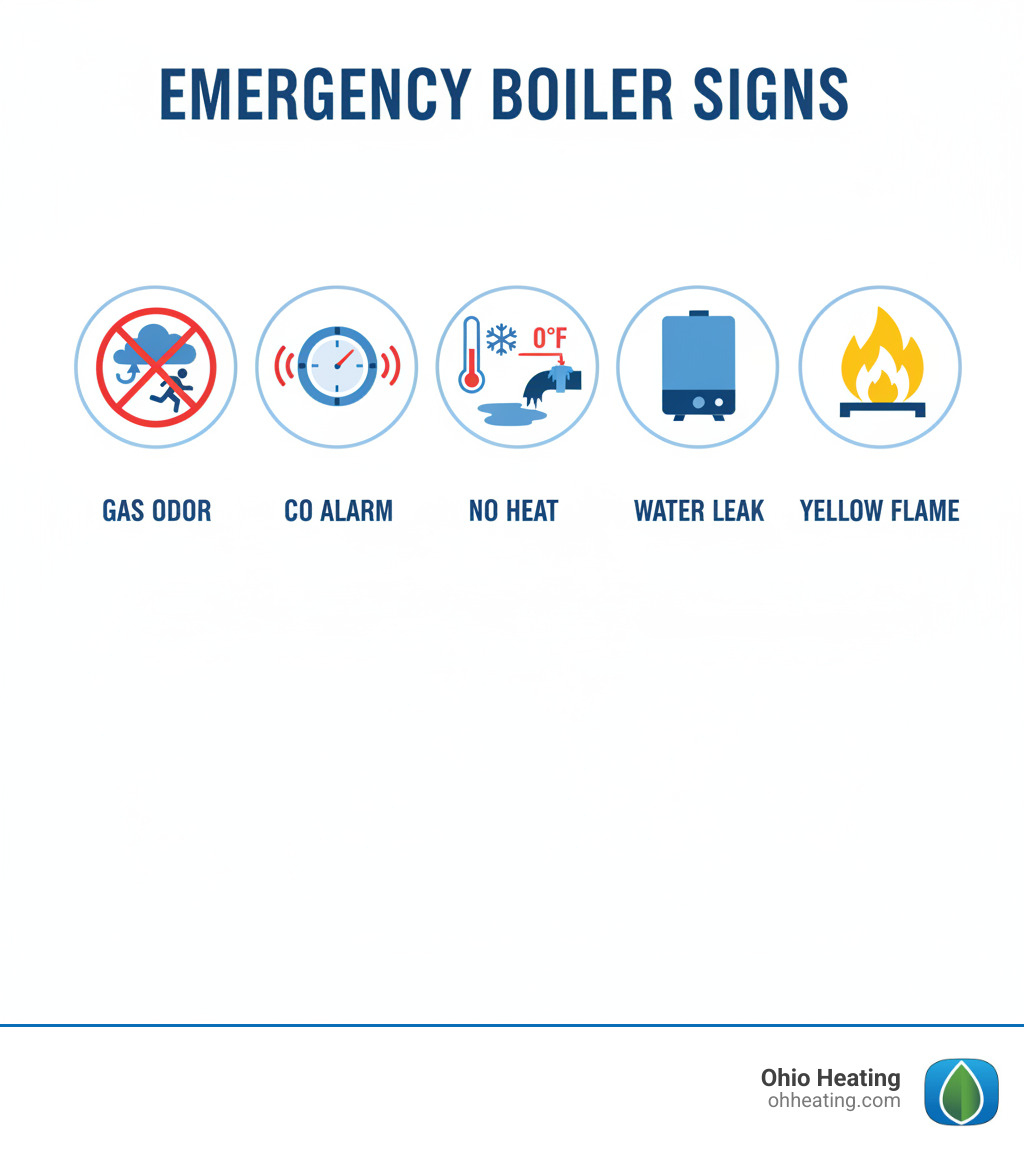
When Is It a True Boiler Emergency?
Not every boiler problem requires a middle-of-the-night call, but some issues demand immediate help. A working boiler is essential for safety, preventing frozen pipes, and keeping your family or tenants healthy. Understanding the difference between a minor issue and a true emergency can save you from disaster—or an unnecessary after-hours service fee.
Let’s review the signs that mean you need emergency boiler repair immediately.
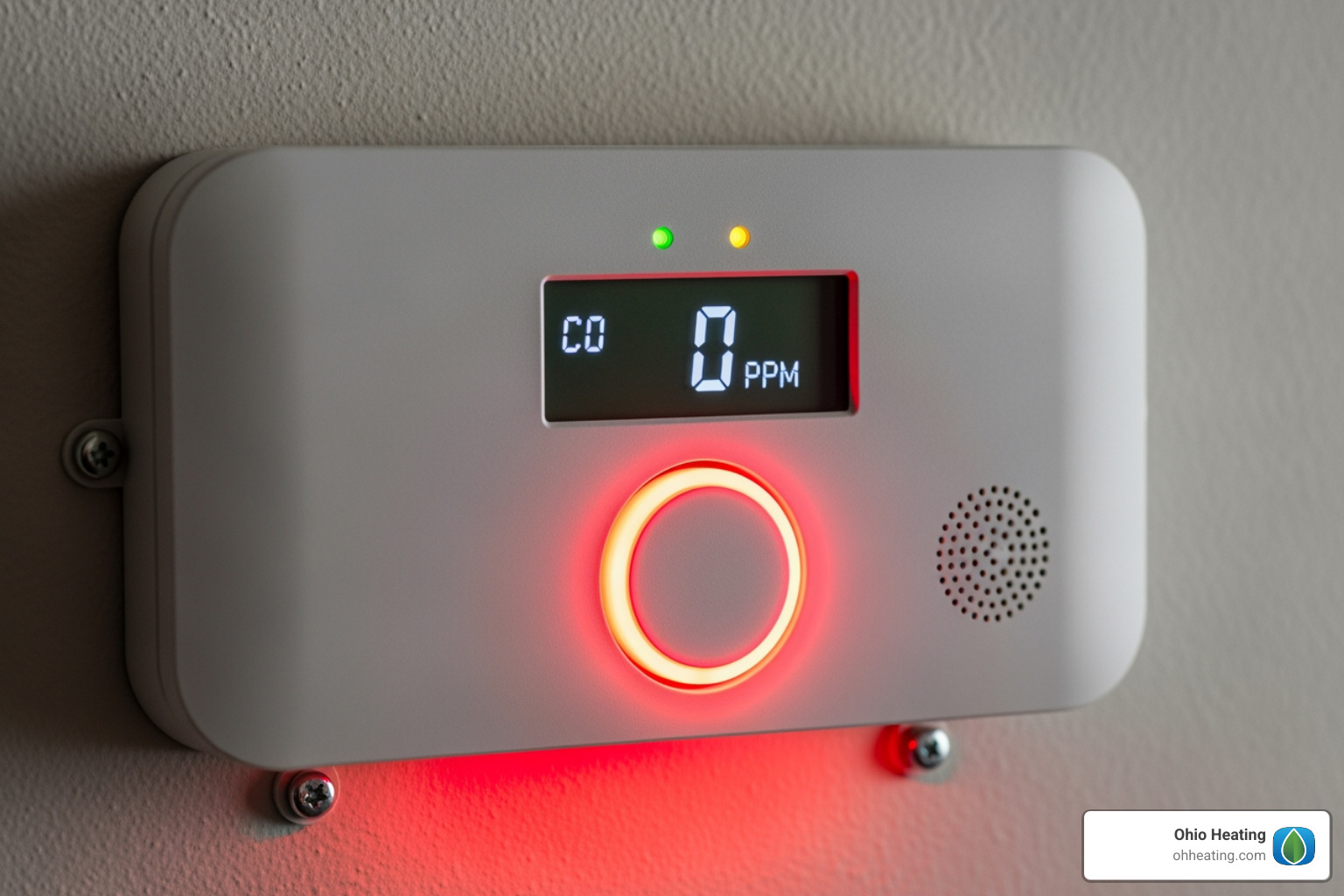
Critical Signs That Demand Immediate Action
These warning signs mean you need professional help now—not tomorrow.
-
Gas Smell: If you smell rotten eggs, this is your most serious emergency. Evacuate everyone from the building immediately. Once safely outside, call your gas company’s emergency line or 911. Do not use light switches or phones inside the building, as a spark could cause an explosion.
-
Carbon Monoxide Alarm: Treat a sounding CO alarm as a life-threatening emergency. Carbon monoxide is an odorless, colorless gas that can be fatal. If the alarm sounds or anyone feels dizzy or nauseous, evacuate immediately and call 911. A yellow or orange pilot light is another warning sign, as it indicates improper fuel combustion that can produce CO.
-
No Heat in Freezing Weather: This is dangerous for your property. In Columbus’s freezing temperatures, pipes can freeze and burst within hours, causing thousands of dollars in water damage. If your boiler fails when it’s freezing outside, it’s an emergency.
-
Major Water Leaks: Significant water pooling around your boiler signals a serious internal failure, such as a cracked heat exchanger. This can lead to severe water damage, mold growth, and electrical hazards.
-
Scorch Marks or Smoke: Any sign of burning near your boiler points to overheating or electrical faults. These are immediate fire hazards. Shut down the unit if it’s safe to do so and call for emergency boiler repair.
-
Loud Noises: Loud banging (known as “kettling”) is caused by mineral buildup restricting water flow, which puts immense stress on the system. Persistent whistling or gurgling also indicates blockages or pressure problems that require immediate attention.
The Dangers of Delaying Repairs
Waiting to call for help can turn a manageable problem into a catastrophe. Delaying repairs often leads to:
- Complete System Failure: A minor issue can escalate into a full breakdown, turning a simple fix into a costly replacement.
- Spreading Water Damage: A leak can quickly soak floors and walls, leading to expensive remediation for water and mold.
- Carbon Monoxide Poisoning: A malfunctioning boiler can produce deadly CO gas, with symptoms that can quickly become fatal, especially during sleep.
- Fire Hazards: Overheating and electrical faults can ignite nearby materials, turning scorch marks into a devastating fire.
- Frozen & Burst Pipes: In an Ohio winter, frozen pipes can burst and flood your property, causing extensive damage and leaving you without heat or water for weeks.
At Ohio Heating, we’ve seen how waiting makes everything worse and more expensive. When you spot these critical signs, trust your instincts and call for help.
Your Immediate Action Plan for a Boiler Breakdown
When your boiler fails on a freezing night, staying calm and following the right steps can prevent a disaster. At Ohio Heating, we know that safety always comes first. Before trying to troubleshoot, assess for any immediate danger.
Safety First: Gas Leaks and CO Alarms
If you smell gas (rotten eggs) or your carbon monoxide detector goes off, this is a life-threatening emergency. Do not investigate.
- Evacuate everyone immediately.
- Do not flip light switches, use your phone, or operate any appliances inside. A tiny spark can ignite accumulated gas.
- From a safe distance outside, call your gas company’s emergency line or 911. Do not re-enter until professionals declare it safe.
Dealing with a Major Water Leak
A major water leak also requires quick action to minimize damage.
- Turn off the water supply to the boiler. This valve is usually located near the unit.
- Cut the power. For electric boilers, flip the dedicated circuit breaker. For gas boilers, turn off the gas supply valve near the unit.
- Contain the spill with buckets and towels to prevent further damage.
Once the immediate crisis is handled, call for emergency boiler repair to prevent extensive damage to your floors, walls, and foundation.
When Your Boiler Just Won’t Work
If your boiler has simply stopped working without any obvious danger, follow these basic troubleshooting steps.
- Check your thermostat. Ensure it’s set to “heat” and the temperature is set higher than the current room temperature.
- Verify power. Check that the boiler’s power switch is on and the circuit breaker hasn’t tripped.
- Try the reset button once. If the boiler doesn’t restart or shuts down again, do not keep pressing it. This can cause more damage.
- Note any error codes on the digital display. This information is valuable for the technician.
If these steps don’t work, turn off the boiler’s power and gas supply and call a professional.
When to Call a Professional
After addressing immediate safety concerns, it’s time to call an expert. Boilers involve gas lines, high-pressure water, and complex electrical systems. DIY repairs are dangerous and can void warranties. A qualified technician has the training and tools to diagnose and fix the problem safely and correctly.
For more guidance on identifying an emergency, see our guide: Urgent Boiler Repair: 5 Critical Signs You Can’t Ignore.
Trust your instincts. If a situation feels wrong or dangerous, make the call and let a professional handle it.
Understanding the Professional Emergency Boiler Repair Service
When your heat dies unexpectedly, you need a lifeline. A professional emergency boiler repair service provides just that. At Ohio Heating, we’ve built our reputation on being there when you need us most, 24/7.
Our EPA-certified and background-checked technicians arrive prepared to handle any boiler issue. Using advanced diagnostic tools, they systematically troubleshoot to find the root cause of the problem. Our service vans are mobile workshops stocked with a wide range of boiler parts, allowing us to complete most repairs on the spot and restore your heat within hours.
For more information about our comprehensive boiler services, visit our page: More info about our boiler services.
What to Expect from a 24/7 Call-Out
Understanding our process can help ease the stress of a late-night breakdown.
- Immediate Response: When you call, you’ll speak to a real person who will dispatch a technician. We prioritize emergencies like gas leaks and no-heat situations in freezing weather to ensure a fast response.
- Thorough Inspection: The technician will examine your entire system—boiler, controls, pressure levels, and safety features—to ensure a comprehensive diagnosis.
- Clear Explanation & Upfront Pricing: We explain the problem in plain English and provide clear, upfront pricing for all repair options. You approve the work and the cost before we begin—no hidden fees.
- Quality Repair & Final Testing: Our technicians use high-quality parts to perform lasting repairs. Afterward, we test the system thoroughly to ensure it operates safely and effectively before we consider the job done.
We service all makes and models, from residential units to large commercial systems.
Decoding the Cost of an Emergency Boiler Repair
The cost of an emergency boiler repair depends on several factors:
- After-Hours Rates: A premium applies for service outside of standard business hours to compensate skilled technicians for their 24/7 availability.
- Parts: The cost of replacement parts can vary significantly, from a simple valve to a complex control board.
- Labor & Complexity: The repair’s complexity determines the time required. A simple fix may take an hour, while a difficult diagnosis could take several.
At Ohio Heating, we provide upfront pricing before any work begins, so you know exactly what to expect. We also offer flexible Financing Options to help manage unexpected repair costs.
How to Find a Reliable Technician Fast
In an emergency, you need someone both fast and trustworthy. Here’s how to spot a reliable service:
| Feature | Reliable Service | Unreliable Service |
|---|---|---|
| Licensing & Certification | Fully licensed, bonded, insured. NATE and EPA-certified technicians. | Lacks proper credentials or insurance. |
| Online Reviews | Consistently positive reviews and a long-standing local presence. | Few or negative reviews; no track record. |
| Pricing | Upfront, detailed quotes before work begins. | Vague pricing with hidden fees. |
| Warranties | Offers clear warranties on parts and labor. | No warranty or vague promises. |
| Availability | True 24/7 service with a live dispatcher. | Answering machine or long wait times. |
| Local Knowledge | Understands local climate, codes, and common issues. | General knowledge, not specific to the area. |
When the technician arrives, ask key questions: “Can you explain the problem simply?” and “Can I get a written estimate before you start?” A reliable professional will provide clear answers and stand behind their work with a warranty. Ohio Heating has served Columbus and Central Ohio since 1999, and our certified technicians are committed to restoring your comfort and safety.
From Crisis to Control: Preventing Future Boiler Emergencies
While we’re always ready for your emergency boiler repair call, we’d rather help you avoid it altogether. Proactive maintenance is the key to preventing stressful and costly breakdowns.
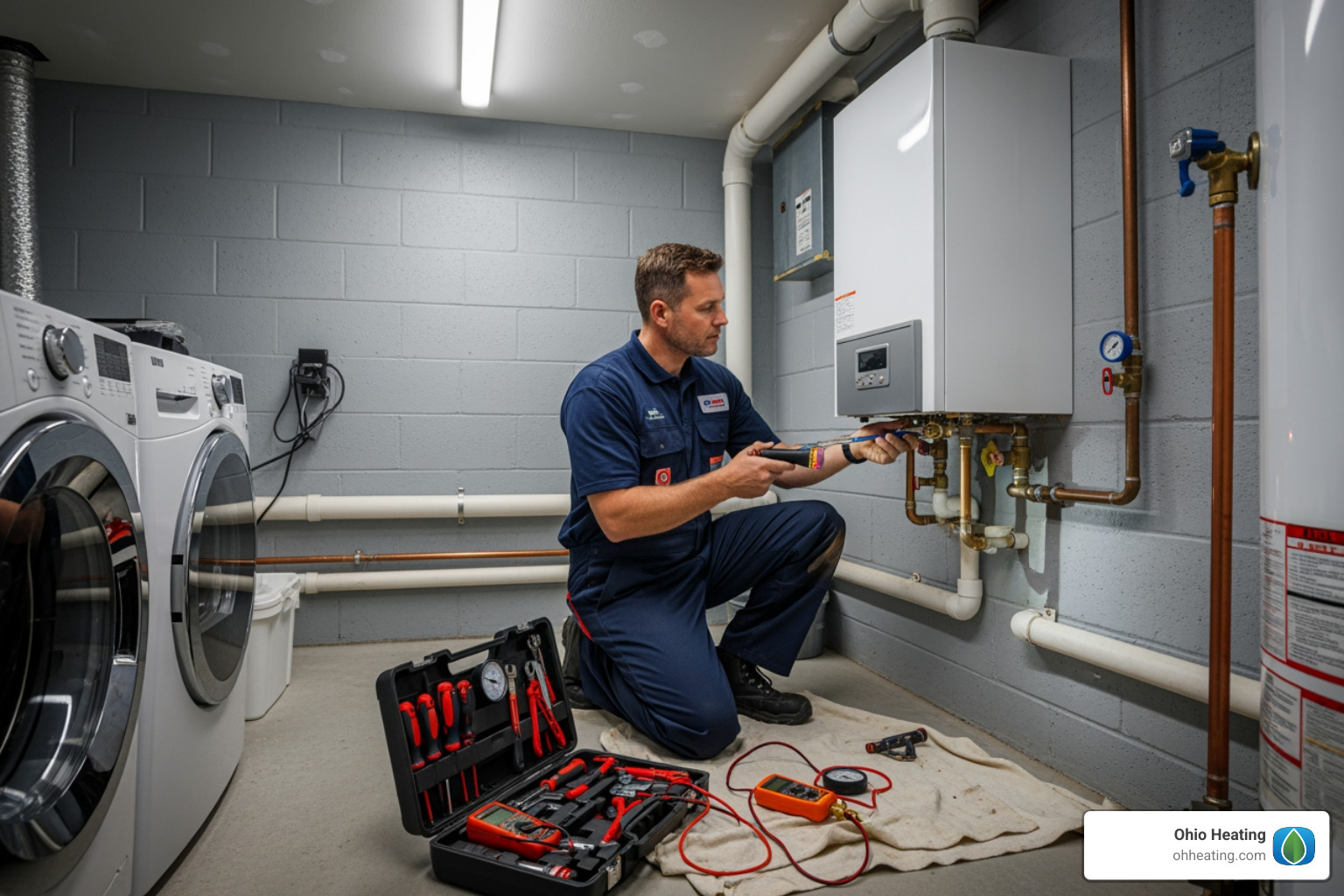
Routine Boiler Maintenance vs. Emergency Repair
Think of routine maintenance as an oil change for your boiler—a scheduled, preventative service that keeps it running smoothly. Emergency repair is the tow truck you call after ignoring the warning signs.
During a maintenance visit, a technician cleans critical components, inspects for wear, and tests safety controls. This is calm, planned, and affordable. An emergency call is reactive, stressful, and more expensive due to urgency and after-hours rates.
The benefits of routine maintenance are significant:
- Saves Money: Catching small issues early prevents them from becoming expensive disasters. A well-maintained boiler also runs more efficiently, lowering your energy bills. Regular maintenance helps your system meet U.S. Department of Energy efficiency standards.
- Improves Safety: Technicians verify that safety features are working, reducing risks like carbon monoxide leaks and fire hazards.
- Extends Lifespan: Proper care extends your boiler’s life, ensuring it provides reliable heat for years. Many boilers fail prematurely simply due to a lack of maintenance.
Learn more in our article: The Importance of Regular HVAC Maintenance for Homes and Businesses.
Seasonal Boiler Care and Common Issues
Understanding seasonal stress on your boiler helps you stay ahead of problems.
-
Winter: This is peak season for boiler stress. Constant cycling leads to common issues like frozen condensate pipes (in high-efficiency boilers), low water pressure, and ignition problems. A failure in winter can quickly lead to frozen and burst pipes.
-
Fall: This is the ideal time to schedule your annual maintenance. Our technicians can give your system a thorough check-up before the cold sets in, fixing small issues before they become winter emergencies.
-
Summer: If your boiler also provides hot water, it’s still working. Even if not, summer is a great time for service when scheduling is flexible and you’re not competing with emergency calls.
For a complete checklist, see our Comprehensive Fall Heating System Maintenance Guide.
Regular maintenance is an investment in your comfort, safety, and wallet. Being proactive is always better than being reactive.
Frequently Asked Questions about Boiler Repair
When your boiler fails, you have questions. As Columbus’s trusted experts since 1999, we have the answers.
Can I fix my boiler myself in an emergency?
No. Attempting DIY boiler repairs is extremely dangerous. Boilers involve gas lines, high-pressure water, and complex electrical systems. A mistake can lead to gas leaks, carbon monoxide exposure, or even explosions. Improper repairs can also void your warranty and violate local building codes. For your safety, always leave boiler work to a qualified and certified technician.
How long does an emergency boiler repair take?
The time required depends on the problem.
- Simple fixes, like thawing a frozen condensate pipe or adjusting water pressure, can often be resolved in an hour or two.
- Complex repairs, such as replacing a pump or control board, may take a few hours.
Our service vans are stocked with common parts to enable on-the-spot repairs whenever possible. After diagnosing the issue, your technician will provide a clear and realistic timeframe for completion.
Should I repair or replace my old boiler after an emergency breakdown?
This is a critical decision, and we provide honest advice to help you choose the most cost-effective option.
-
Repair is often the best choice for newer boilers (under 15 years old) with an isolated issue, especially if the repair cost is less than half the price of a new unit.
-
Replacement is typically smarter for older boilers (over 15 years) that break down frequently or require expensive repairs. While the upfront cost is higher, a new high-efficiency model provides significant long-term savings on energy bills and offers peace of mind with reliable heating.
If your boiler needs constant repairs or your energy bills are rising, replacement is likely the better investment. For more insights, read our Boiler Installation Insights for Columbus Homeowners.
Conclusion
When your boiler breaks down in an Ohio winter, it’s a stressful situation. But now you are prepared. You know the critical warning signs that demand immediate action, the safety steps to take, and what to expect from a professional 24/7 service.
Most importantly, you understand that the best emergency boiler repair is the one you never have to make. Regular maintenance is your insurance policy against middle-of-the-night breakdowns, saving you money, keeping your property safe, and ensuring your boiler runs efficiently for years.
Since 1999, Ohio Heating has been the lifeline for Columbus and Central Ohio homes and businesses facing heating emergencies. Our expert technicians don’t just fix boilers; we restore your peace of mind. Whether you’re in a crisis now or want to prevent one, we’re here for you day and night.
Don’t wait until you’re left in the cold. Recognize the signs, act safely, and know that professional help is just a phone call away.
Contact us for expert boiler sales and service today. Let’s keep you warm and safe all year long.