
HVAC Maintenance Plans: Your Yearly Ticket to Comfort
Why HVAC Annual Maintenance Matters for Your Property
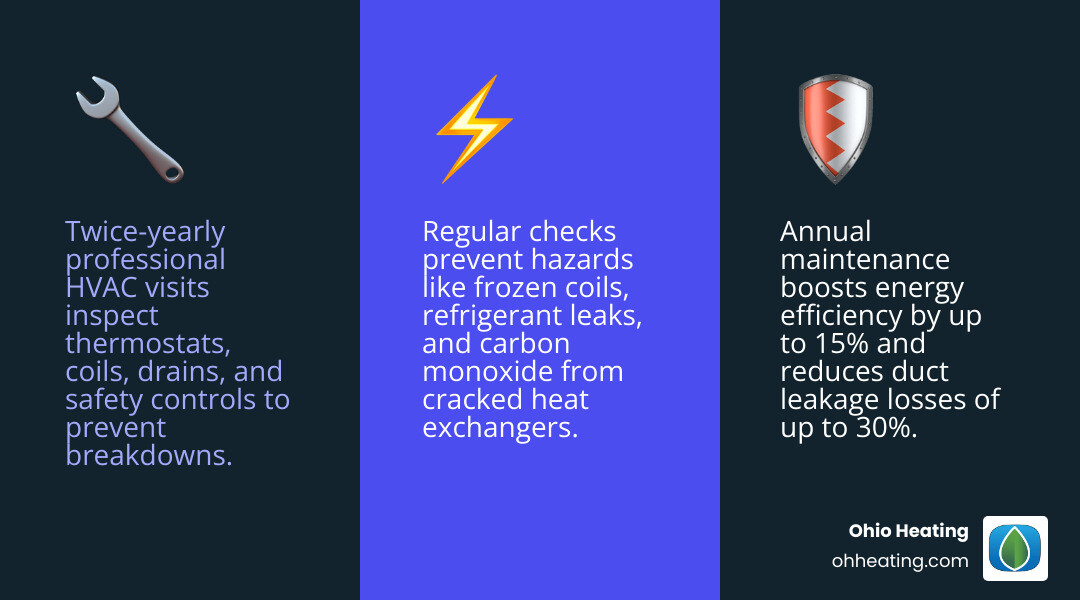
HVAC annual maintenance is a scheduled service performed by professional technicians—typically twice per year—that includes inspecting, cleaning, and tuning your heating and cooling systems to prevent breakdowns, improve efficiency, and extend equipment life. Here’s what you need to know:
Quick Answer: HVAC Annual Maintenance Plans Include:
- Twice-yearly professional visits (spring for cooling, fall for heating)
- System inspections covering thermostats, electrical connections, and safety controls
- Cleaning tasks like coils, drains, filters, and blower components
- Performance checks for refrigerant levels, gas pressure, and combustion quality
- Cost range of $175-$350 annually, or $15-30 monthly
- Additional benefits like priority scheduling, service discounts, and warranty protection
The stakes are higher than many property managers realize. 42% of homeowners experienced HVAC issues during heat waves, yet fewer than half had their systems serviced in the past year. Nearly 90% of American homes depend on HVAC systems that typically last 15-25 years—but only with proper care.
Without regular maintenance, your systems work harder and cost more. Up to 30% of conditioned air can escape through duct leaks, and airflow problems alone can slash efficiency by 15%. A new HVAC system averages $7,500 to $12,500, while annual maintenance costs a fraction of that investment.
Professional maintenance catches problems before they become emergencies. Technicians check for safety hazards like carbon monoxide leaks from cracked heat exchangers, verify refrigerant levels to prevent frozen coils, and clean components that would otherwise force your system into early failure. The difference between a $300 inspection and a mid-summer breakdown requiring emergency repairs is significant—especially when your tenants or employees are counting on you.
I’m Jill Frattini, Service Coordinator at Ohio Heating in Columbus, OH, and I’ve spent years in the HVAC industry helping property managers understand how HVAC annual maintenance prevents the costly disruptions that come from neglected systems. Whether you’re managing commercial properties or residential buildings, establishing a maintenance routine now protects your investment and keeps occupants comfortable year-round.
Hvac annual maintenance vocab explained:
The Core Components of HVAC Annual Maintenance
When we talk about hvac annual maintenance, we aren’t just talking about a quick “look-see.” At Ohio Heating, we view maintenance as a comprehensive physical for your home’s most expensive appliance. Unlike your car, which has a dashboard full of warning lights to tell you when the oil is low or a tire is flat, your HVAC system usually suffers in silence—until it stops working entirely on the hottest day of a Columbus July.
A professional maintenance plan covers several critical areas that the average homeowner simply can’t handle with a screwdriver and a can-do attitude.
Thermostat Calibration and System Controls
We start at the brain of the operation: your thermostat. If your thermostat isn’t properly calibrated, your system might be working harder than it needs to, or failing to keep you comfortable. We check that your thermostat settings are accurate and that the system starts, operates, and shuts off correctly.
Electrical Connections and Voltage
Faulty electrical connections are a silent killer for HVAC systems. They can reduce the life of major components and, in extreme cases, create safety hazards. During a maintenance visit, we tighten all electrical connections and measure the voltage and current on motors. This ensures everything is operating within the manufacturer’s specifications.
Lubrication of Moving Parts
Friction is the enemy of efficiency. Parts that lack proper lubrication cause the motor to work harder, which increases your electricity use and wears down the components prematurely. We make sure all moving parts are well-greased and sliding smoothly.
Condensate Drains and Humidity
Your air conditioner doesn’t just cool the air; it removes moisture. That moisture has to go somewhere. A plugged condensate drain can cause water damage to your home and affect indoor humidity levels. We inspect the drain line to ensure it’s clear of obstructions like algae or debris.
For a full breakdown of what a professional visit should entail, check out the Maintenance Checklist | ENERGY STAR or explore our More info about residential maintenance plans.
Cooling Season Specifics for HVAC Annual Maintenance
As the Ohio spring turns into a humid summer, your cooling system needs to be ready for the “heavy lifting.” Cooling-specific hvac annual maintenance focuses heavily on airflow and heat transfer.
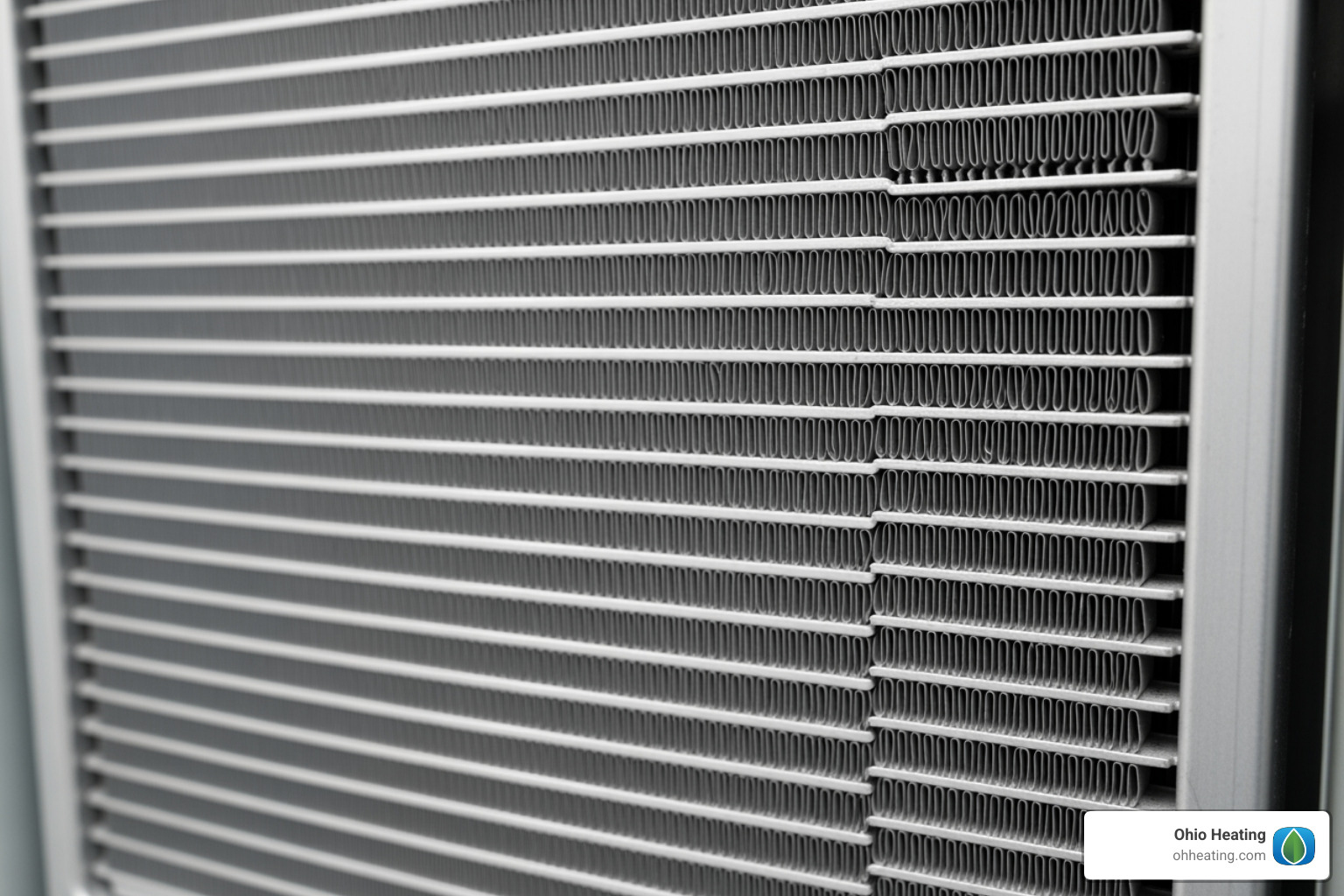
- Evaporator and Condenser Coils: Dirty coils are a primary cause of system inefficiency. When dust and grime coat the coils, the system has to run longer to achieve the same cooling effect, which spikes your energy bills. We clean these coils to ensure maximum heat transfer.
- Refrigerant Levels: Too much or too little refrigerant can make your system less efficient and even damage the compressor. We check these levels to ensure they match the manufacturer’s requirements.
- Blower Components: Airflow problems can reduce your system’s efficiency by up to 15 percent. We clean and adjust blower components to ensure proper airflow through your home.
Maintaining these components is backed by Scientific research on maintaining air conditioners, which shows that regular coil cleaning is one of the most effective ways to save money. For local residents, you can find More info about AC maintenance in Dublin to see how we handle our Central Ohio neighbors.
Heating Season Specifics for HVAC Annual Maintenance
In Columbus, our winters aren’t just cold; they can be downright brutal. When we perform fall maintenance, our focus shifts to safety and combustion.
- Gas or Oil Connections: We check for leaks and ensure that gas pressure is at the correct level. Improper pressure can lead to “dirty” combustion, which is inefficient and potentially dangerous.
- Burner Combustion and Ignition Assembly: We clean the burners and inspect the ignition system to ensure your furnace starts reliably every time the temperature drops.
- Heat Exchanger Inspection: This is perhaps the most critical safety check. A cracked heat exchanger can allow carbon monoxide to leak into your home’s air supply.
If you’re preparing for the colder months, read our More info about fall heating maintenance in Columbus to stay ahead of the first frost.
Why Professional Service is Essential
You might be tempted to think, “I’m pretty handy, I can probably handle this myself.” While we love the DIY spirit, hvac annual maintenance requires specialized tools and diagnostic expertise. A professional technician doesn’t just “look” at the system; they use gauges to measure refrigerant pressure, combustion analyzers to check for safety, and sensitive meters to test electrical draw.
Energy Efficiency and Cost Savings
One of the biggest benefits of professional service is the immediate boost in efficiency. As mentioned, airflow issues alone can sap 15% of your system’s power. By cleaning the system and optimizing the settings, we often see energy bill reductions of up to 30%. Over the course of a year, these savings can actually pay for the maintenance plan itself!
Lifespan Extension
An HVAC system is a massive investment, often costing between $7,500 and $12,500. While a neglected system might only last 10-12 years, a well-maintained one can easily reach the 20-25 year mark. By spending a few hundred dollars a year on maintenance, you are effectively deferring a $10,000 expense by a decade.
Indoor Air Quality (IAQ)
According to the Scientific research on indoor air quality from the EPA, Americans spend about 90% of their time indoors. If your HVAC system is dirty, it’s acting like a giant lung, breathing dust, allergens, and even mold spores into your living space. Professional cleaning ensures the air you breathe is as healthy as possible.
Discover More info about the importance of regular maintenance for both residential and commercial properties.
Preventing Common Problems and Safety Hazards
Regular maintenance is the best defense against the “big three” HVAC nightmares: frozen coils, refrigerant leaks, and the “silent killer,” carbon monoxide.
- Frozen Coils: This usually happens because of restricted airflow (often a dirty filter) or low refrigerant. A frozen coil can cause the compressor to fail—a repair that can cost thousands.
- Refrigerant Leaks: If your system is low on refrigerant, it has a leak. Simply “topping it off” isn’t enough; we find the leak and fix it to prevent environmental damage and system strain.
- Carbon Monoxide (CO): This is the most serious concern. According to Scientific research on carbon monoxide poisoning from the CDC, over 400 people die annually from accidental CO poisoning. A cracked heat exchanger or a blocked flue can send this odorless gas into your home. We test for this during every heating tune-up.
For more warning signs, see our guide on More info about signs your HVAC needs repair.
Homeowner DIY Tasks vs. Professional Care
While we recommend professional hvac annual maintenance twice a year, there are several things you should be doing between our visits to keep things running smoothly.
The Air Filter: Your Most Important Job
The single most important thing a homeowner can do is change the air filter. We recommend checking it every 30 days. If you have pets or allergies, you’ll likely need to change it every 1-3 months. A clogged filter restricts airflow, which is the leading cause of system breakdowns.
Outdoor Unit Clearance
Your outdoor condenser needs to “breathe.” Keep shrubs, weeds, and debris at least two feet away from the unit. If the fins on the unit get clogged with cottonwood seeds or grass clippings, you can gently rinse them with a garden hose (just don’t use a pressure washer, as it will bend the delicate fins!).
DIY vs. Professional Comparison
| Task | Homeowner (DIY) | Professional Technician |
|---|---|---|
| Change Air Filters | Yes (Every 1-3 months) | Yes (During visit) |
| Clear Debris Around Unit | Yes (2-foot clearance) | Yes (Deep cleaning) |
| Clean Vents and Registers | Yes (Vacuuming) | Yes (Internal inspection) |
| Check Thermostat Battery | Yes | Yes (Calibration) |
| Measure Refrigerant Levels | No | Yes (EPA Certified) |
| Electrical Voltage Testing | No | Yes |
| Combustion Analysis | No | Yes (Safety check) |
| Lubricate Internal Motors | No | Yes |
For more tips on what you can do at home, check out More info about furnace maintenance tips.
Frequently Asked Questions about Maintenance Plans
We get a lot of questions at Ohio Heating about whether these plans are truly “worth it” or just another monthly bill. Let’s look at the data.
How much does professional maintenance cost and are plans worth it?
A typical hvac annual maintenance plan costs between $175 and $350 per year, which breaks down to about $15-$30 a month. When you consider that the average HVAC repair costs $350 (and can go up to $3,000), a maintenance plan is essentially an insurance policy for your comfort.
Most plans, including ours at Ohio Heating, offer:
- Priority Scheduling: If your system breaks down during a Columbus heat wave, you jump to the front of the line.
- Service Discounts: Savings on parts and labor if a repair is needed.
- Peace of Mind: Knowing that a professional has cleared your system for safety.
Learn More info about commercial maintenance strategies if you’re looking to protect a business.
Is maintenance necessary for a 3-year-old home or newer system?
Absolutely. In fact, it might be more important. Many new construction homes have HVAC systems that were installed quickly, and initial maintenance visits often catch “infant mortality” issues—small installation errors that haven’t caused a breakdown yet but will in a year or two.
Furthermore, building a “system history” from day one helps us track performance trends. If we know your system usually draws 10 amps and suddenly it’s drawing 14, we can catch a failing motor before it dies. Read More info about forced air furnace maintenance for newer systems.
Can skipping maintenance void my warranty?
Yes, this is a big one! Most manufacturers (like Trane, Carrier, or Lennox) explicitly state in their warranty terms that the system must be professionally maintained to keep the warranty valid. If your compressor fails in year five and you can’t provide proof of hvac annual maintenance, the manufacturer may deny your claim for the $2,000 part.
Don’t risk it—stay protected with More info about commercial furnace maintenance.
Conclusion
At the end of the day, your HVAC system is the heartbeat of your home or business. It works 24/7 to keep you safe and comfortable, often in extreme conditions. Investing in hvac annual maintenance isn’t just about avoiding a repair bill; it’s about ensuring your family breathes clean air, your energy bills stay low, and you have one less thing to worry about when the Ohio weather gets wild.
Since 1999, Ohio Heating has been the trusted name in Columbus and Central Ohio for keeping systems running at peak performance. We pride ourselves on being more than just “repair people”—we are partners in your home’s comfort and safety.
Ready to take the stress out of your home maintenance? Sign up for Ohio Heating Maintenance Plans today and give your HVAC system the care it deserves. Whether you’re in Dublin, Westerville, or right here in Columbus, we’ve got you covered!