
Quality Air Conditioning: 3 Key Pillars
Why Quality Air Conditioning Matters for Your Property
Quality air conditioning is about more than staying cool; it’s about reliability, efficiency, and protecting your investment. A failing HVAC system can lead to uncomfortable tenants, emergency repair costs, and potential building damage.
What defines a “quality” air conditioning system?
- High-Efficiency Equipment: SEER ratings of 14+ (federal minimum) or 15+ (ENERGY STAR certified).
- Professional Installation: Performed by certified technicians using proper sizing calculations (Manual J).
- Regular Maintenance: Reduces energy costs by 5-10% and extends equipment life to 15-20 years.
- Proper Humidity Control: Prevents mold, protects assets, and maintains comfort.
- Reliable Performance: Prevents costly breakdowns during peak seasons.
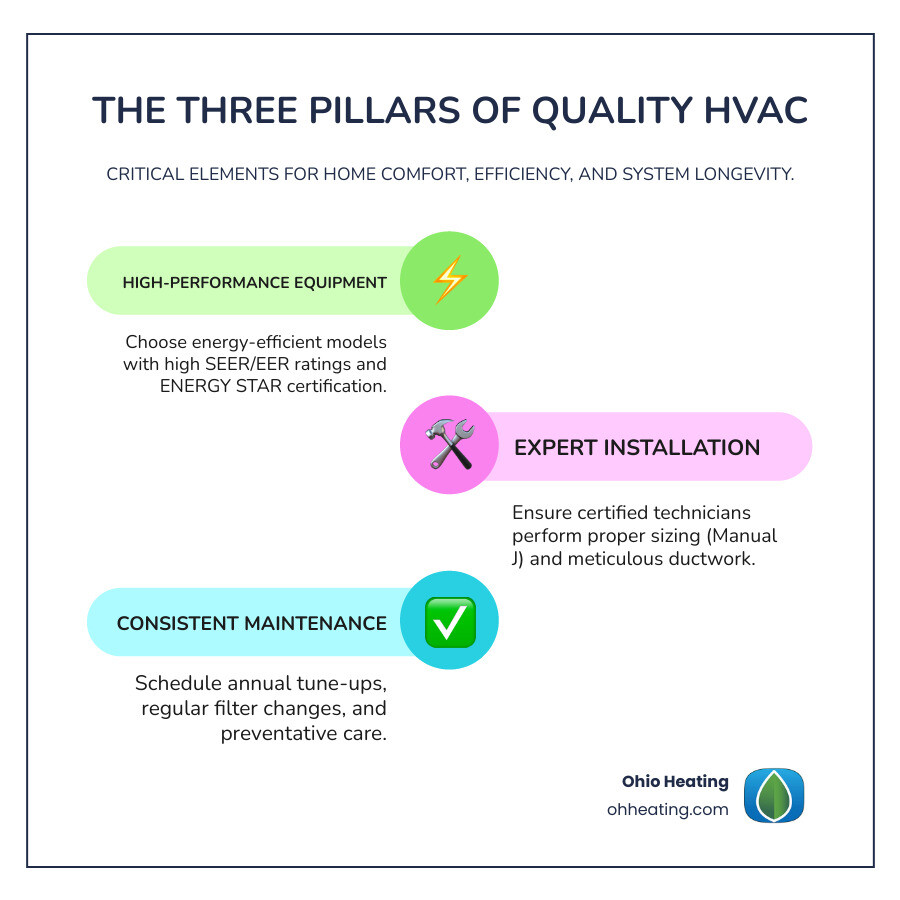
While most HVAC systems last 15-20 years, many fail early. The difference often comes down to three factors: choosing the right equipment, ensuring expert installation, and maintaining it properly.
Misinformation is common. Myths about oversized systems or focusing only on purchase price lead to poor performance, high energy bills, and premature equipment failure. With cooling accounting for a significant portion of utility bills, the stakes are high. A poorly installed system can waste 20-40% of its energy through duct leakage alone.
This guide will show you what to look for in quality HVAC equipment, how to find qualified contractors, and how to maintain peak performance.
Understanding High-Performance HVAC Equipment
When investing in quality air conditioning, the equipment is where it all begins. A modern HVAC system is a sophisticated network of components that work together to move heat. While these systems can last 15-20 years, that lifespan depends on choosing quality equipment from the start. Key considerations include energy efficiency ratings, system type, and—most importantly—correct sizing.
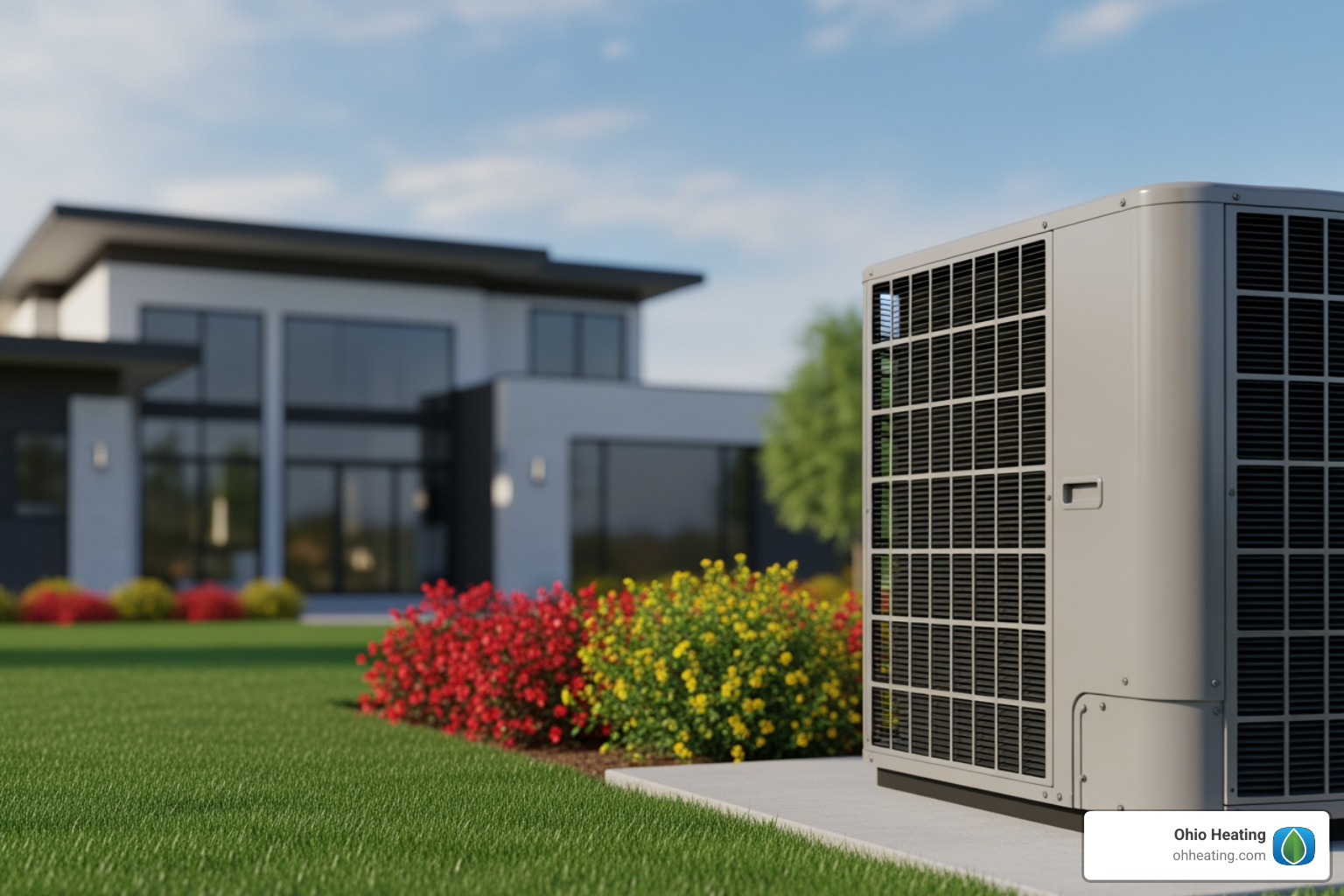
Defining Quality Air Conditioning Equipment
The HVAC industry uses several acronyms to measure efficiency. Here are the ones you need to know:
-
SEER and SEER2 (Seasonal Energy Efficiency Ratio): This rating measures cooling efficiency over a typical season. Higher numbers mean lower energy bills. Upgrading from an old SEER 9 unit to a SEER 14 system can cut cooling energy use by over 35%. As of 2023, new residential AC units in Ohio must have a SEER2 rating of at least 13.4. You can discover energy efficient AC options for Columbus Ohio homeowners by looking for higher-rated systems.
-
EER (Energy Efficiency Ratio): Similar to SEER, but measures efficiency under constant lab conditions. It’s more common for room air conditioners.
-
ENERGY STAR Certification: This label from the U.S. EPA signifies that a system meets strict performance requirements. For central AC, this means a SEER of at least 14. Wondering what’s a good SEER rating? It depends on your home and budget, but systems range from baseline (13-16 SEER) to high-efficiency (20+ SEER).
Choosing the Right Type of Air Conditioner
The type of system you choose significantly impacts comfort and efficiency.
-
Central Air Conditioning (Split Systems): The traditional choice for whole-home cooling via ductwork. If you have ducts, central AC is often the most cost-effective solution, with SEER ratings from 14 to 26+.
-
Ductless Mini-Splits: Ideal for homes without ductwork, additions, or for zoning specific rooms. They are highly flexible and efficient, with many systems reaching 20 to 30+ SEER. We specialize in ductless systems for these exact challenges.
-
Heat Pumps: An all-in-one solution for both heating and cooling. In summer, they function like an AC. In winter, they reverse the process to bring heat inside, making them very efficient in Ohio’s climate. They have both SEER (cooling) and HSPF (heating) ratings.
| System Type | Best Use Cases | Cost (Initial) | Efficiency (SEER) |
|---|---|---|---|
| Central AC | Whole-home cooling for properties with existing ductwork. Ideal for consistent temperatures throughout. | Medium to High | 14-26+ |
| Ductless Mini-Splits | Perfect for homes without existing ductwork, additions, converted spaces (attics, garages), or for zoning specific areas. Offers flexible installation and targeted cooling/heating. | Medium to High | 20-30+ |
| Heat Pumps | All-in-one heating and cooling solution. Highly efficient in moderate climates like Ohio, as they move heat rather than generate it. Great for year-round comfort and energy savings. | Medium to High | 14-26+ (SEER), 8+ (HSPF) |
The Critical Importance of Correct Sizing
Many people assume bigger is better for AC units, but this is a costly mistake. Incorrect sizing is one of the most common problems in HVAC installation.
-
An oversized system cools too quickly, cycling on and off in short bursts. This prevents proper humidity removal, leaving your home feeling cold and clammy. The constant starting and stopping also causes premature equipment failure.
-
An undersized system runs constantly without reaching the desired temperature, leading to discomfort, high energy bills, and excessive wear.
The only way to get it right is with a professional Manual J load calculation. This detailed assessment considers your home’s unique features—square footage, windows, insulation, occupancy, and local climate data—to determine the precise cooling load. This ensures optimal comfort and efficiency. Understanding air conditioning installation costs in Columbus Ohio starts with accurate sizing. You can learn more about why this matters in the Strategy Guideline: HVAC Equipment Sizing.
Why Professional Installation is Key to Quality Air Conditioning
Even the best air conditioner will underperform if installed incorrectly. A top-of-the-line unit can perform like a basic model without proper installation, wasting energy and failing prematurely. Quality air conditioning starts with great equipment, but professional installation is what makes or breaks your investment.
Installation quality affects your system’s efficiency, lifespan, comfort, and air quality. This is why choosing the right contractor is critical.
Finding a Trustworthy and Experienced Contractor
When choosing an HVAC contractor in Columbus, look for these key indicators:
- Experience and Reputation: A company with deep roots in the community, like our 20+ years serving Central Ohio, has proven expertise.
- Certifications: Look for technicians certified by NATE (North American Technician Excellence) or HVAC Excellence. These credentials prove up-to-date knowledge. You can check for NATE-certified technicians to verify.
- Licensing and Insurance: Always verify that your contractor is licensed, bonded, and insured. This protects you financially and shows the company operates professionally.
- Warranties: A reputable contractor stands behind their work with strong labor and equipment warranties. Many manufacturers require professional installation to keep their warranties valid.
- Customer Reviews: Read online reviews to see what other homeowners say about a contractor’s punctuality, communication, and quality of work.
The Quality Installation Process
A professional installation is a methodical process that goes far beyond just connecting a unit.
- Ductwork Inspection and Sealing: Leaky ducts can waste 20-40% of your AC’s energy. A quality installation includes inspecting and sealing all ductwork with proper materials like mastic, not just duct tape.
- Proper Airflow (Manual D): Installers should use Manual D from ACCA (Air Conditioning Contractors of America) principles to ensure your ducts are correctly sized for balanced airflow and consistent comfort.
- Precise Refrigerant Charging: The system’s refrigerant level must be exact. An EPA-certified technician will evacuate lines to remove moisture, which can create acid that destroys the compressor. Incorrect levels reduce efficiency and shorten the system’s life.
- Matched Systems: The indoor and outdoor units must be a certified matched system according to AHRI (Air-Conditioning, Heating, and Refrigeration Institute) standards. Mismatched components severely impact performance and efficiency.
A professional installation ensures all these elements work together for a system that is comfortable, efficient, and durable. It’s one of our most essential HVAC tips for beating the summer heat.
Maintaining Peak Performance and Indoor Comfort
Just like a car needs oil changes, your quality air conditioning system requires regular maintenance to prevent problems, ensure efficiency, and extend its life. This ongoing care is a partnership between you and your system, involving preventative maintenance and knowing when to call a professional.
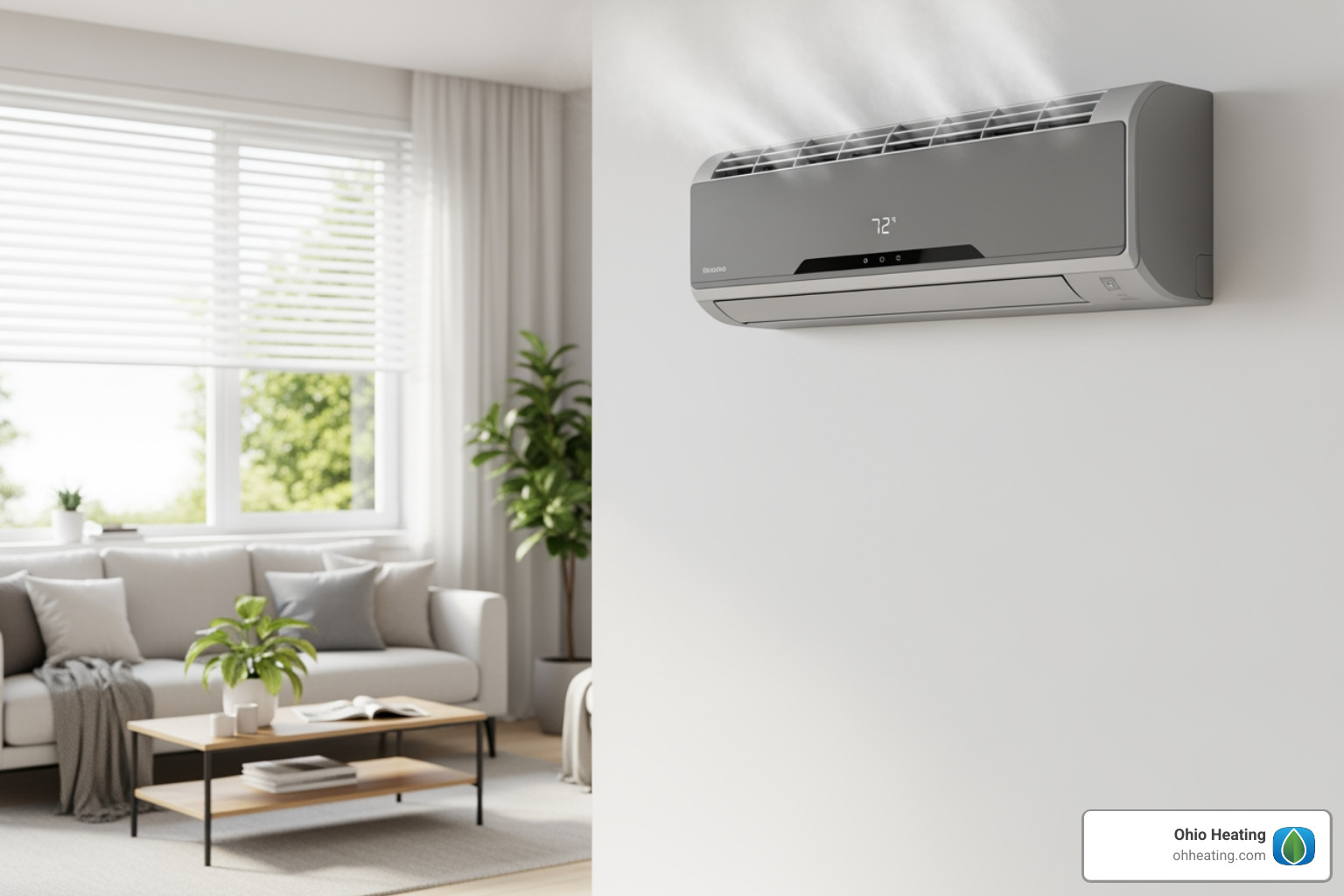
The Role of Maintenance in Sustaining Quality Air Conditioning
Routine maintenance can reduce cooling costs by 5% to 10% and help your system last 15-20 years instead of failing in 8-12. We recommend professional service twice a year: AC in the spring and heating in the fall. This catches minor issues before they become costly emergencies.
Regular check-ups also ensure safe operation and are often required to keep manufacturer warranties valid. The simplest task you can do is change your air filter regularly (every 30-90 days for 1-inch filters, every six months for 4-inch filters). A clogged filter restricts airflow and is a common cause of AC problems. For comprehensive care, consider our maintenance plans and service options.
Signs Your HVAC System Needs Repair or Replacement
Watch for these warning signs to address issues before they escalate:
- Unusual Noises: Screeching, grinding, or clunking can indicate mechanical problems.
- Weak Airflow: Could be a clogged filter, duct issue, or failing blower motor.
- High Humidity: If your home feels clammy, your AC may be struggling to dehumidify, possibly due to incorrect sizing or a refrigerant issue.
- Frequent Cycling: Short, constant on-off cycles (short cycling) suggest an oversized unit or other mechanical problems.
- Rising Energy Bills: A sudden spike in utility costs often points to an inefficient system.
- System Age: If your system is over 15 years old and needs frequent repairs, replacement is often more cost-effective.
If you notice these red flags, don’t wait. Our team can help you identify signs your air conditioning needs repair.
Beyond Temperature: The Importance of Indoor Air Quality
True comfort includes healthy indoor air quality (IAQ). Poor IAQ can worsen allergies and respiratory issues due to circulating dust, pollen, and mold spores. Ohio’s humid summers can promote mold growth, while dry winters cause other irritations.
We offer solutions to improve your home’s environment:
- Whole-House Air Cleaners/Purifiers: Remove microscopic particles and allergens.
- UV Lights: Kill airborne bacteria, viruses, and mold spores within the HVAC system.
- Whole-House Humidifiers/Dehumidifiers: Maintain optimal humidity levels year-round for total comfort.
- Ventilators: Exchange stale indoor air with fresh outdoor air, improving ventilation.
While your AC provides some dehumidification, dedicated IAQ solutions offer superior control. Explore our indoor air quality 101 advanced solutions for healthier homes and businesses to learn more.
Frequently Asked Questions about Quality HVAC
We understand that choosing and maintaining a quality air conditioning system brings up questions. Here are answers to some common inquiries from Columbus homeowners:
What is a good SEER rating for a new air conditioner?
SEER (Seasonal Energy Efficiency Ratio) is like MPG for your AC—a higher number means better efficiency. As of 2023, the federal minimum in Ohio is a SEER2 rating of 13.4. For ENERGY STAR certification, a system needs a SEER2 of 15.3 or greater.
High-efficiency models can reach 20 SEER or higher. While they cost more upfront, the long-term energy savings can be substantial, often saving hundreds of dollars annually. The “good” rating for you depends on your budget and how long you plan to stay in your home. You can explore what’s a good SEER rating on the ENERGY STAR website.
How often should I have my air conditioner serviced?
We recommend biannual professional maintenance: get your AC serviced in the spring and your furnace in the fall. This proactive approach prevents breakdowns and ensures efficiency. Between visits, change your air filter every 30-90 days (for 1-inch filters) or every six months (for 4-inch filters). Regular service is also typically required to keep your manufacturer’s warranty valid. Our maintenance plans and service options make this easy.
How can I make my current air conditioning system more efficient?
Even without a new system, you can boost efficiency and lower bills:
- Install a smart thermostat: Automatically adjust temperatures to save up to 10% on cooling costs.
- Seal air leaks: Use caulk and weatherstripping around windows and doors to keep cool air from escaping.
- Change air filters regularly: A clean filter ensures proper airflow and reduces strain on your system.
- Clean the outdoor unit: Keep the area around your condenser clear of debris and gently rinse the coils with a hose to improve heat transfer.
- Use ceiling fans: Create a wind-chill effect that allows you to raise the thermostat a few degrees without sacrificing comfort.
These steps can significantly reduce energy use. Learn more about why energy efficient HVAC systems matter for your property.
Conclusion
Achieving true home comfort comes down to three pillars that define quality air conditioning: investing in high-performance equipment, ensuring expert installation, and committing to regular maintenance. Neglecting any one of these can lead to wasted energy, poor comfort, and a shortened system lifespan.
When you choose an ENERGY STAR certified system, insist on proper sizing with a Manual J calculation, and partner with NATE-certified technicians, you are making a smart investment. You’re ensuring lower energy bills, consistent comfort, and a reliable system that will serve your family for 15-20 years or more. Regular maintenance ties it all together, protecting your investment and preventing costly breakdowns.
At Ohio Heating, we’ve served Columbus and Central Ohio since 1999 because we understand that quality is about more than just cooling—it’s about creating a comfortable, healthy, and reliable home environment. We treat every job like we’re working on our own home. For comprehensive HVAC services that deliver true quality and peace of mind, explore our residential solutions and experience the Ohio Heating difference.