
When Your AC Fails in Summer, Every Minute Counts
Local emergency AC repair is a service that sends a licensed technician to your home or property — often within hours — to diagnose and fix a sudden cooling system failure, any time of day or night.
Here is a quick summary of what you need to know:
| Question | Quick Answer |
|---|---|
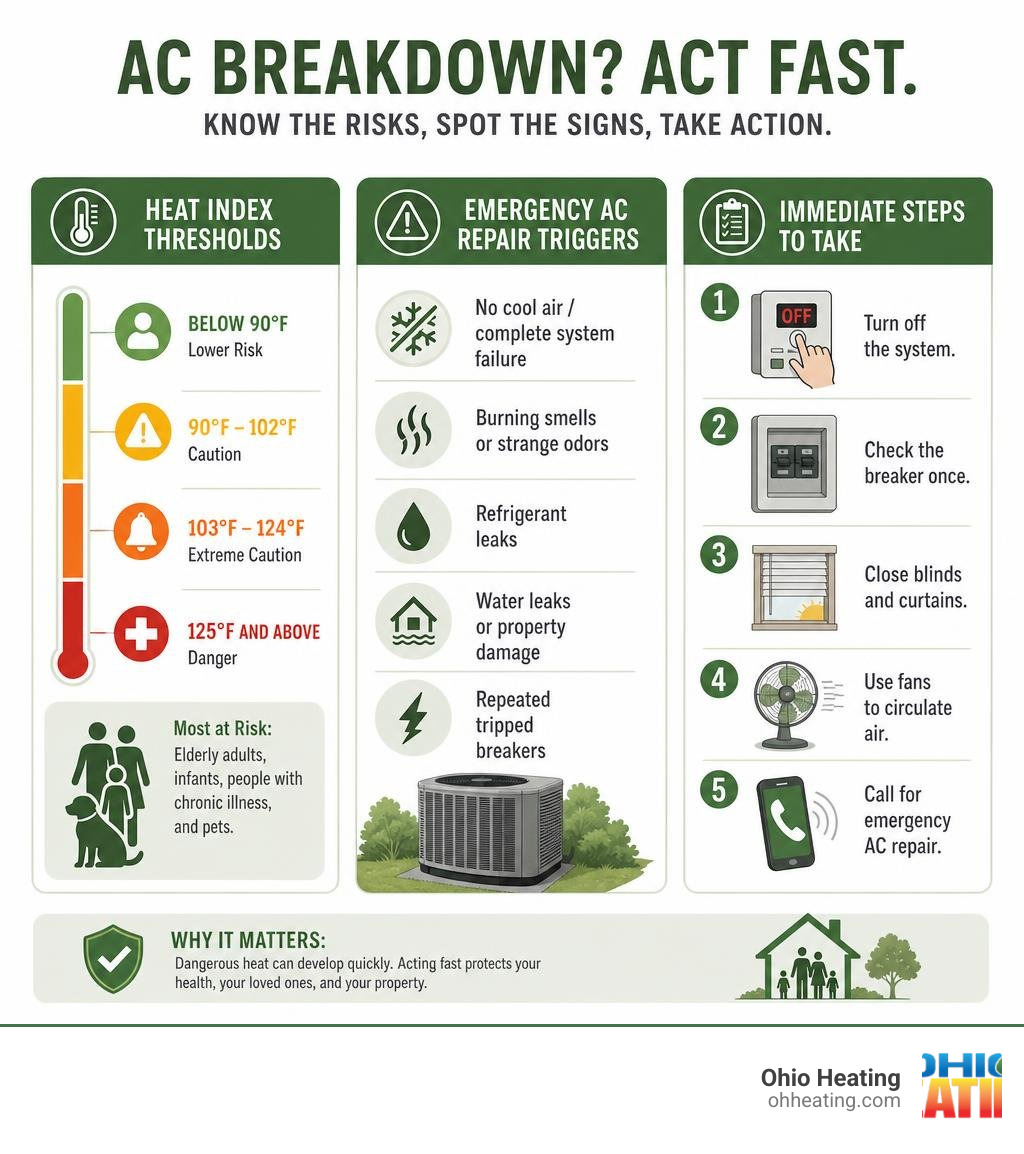
| What counts as an emergency? | Complete system failure, burning smells, refrigerant leaks, water damage, or repeated tripped breakers |
| How fast can a tech arrive? | Typically 20 minutes to 3 hours, depending on location and demand |
| Is it more expensive after hours? | Yes — expect a diagnostic surcharge on top of standard repair costs |
| What should I do right now? | Turn off the system, check the breaker once, close blinds, use fans, and call for service |
| Who is most at risk? | Elderly adults, infants, people with chronic illness, and pets |
A broken AC during a summer heatwave is not just uncomfortable. According to the CDC, dangerous heat conditions begin when the heat index exceeds 90°F — and the risk of heat stroke rises sharply above 103°F. Even overnight temperatures above 75°F can be hazardous, because the body never gets a chance to cool down. For property managers and business owners, a failed cooling system can create serious liability and operational risk fast.
I’m Jill Frattini, a Service Coordinator at Ohio Heating in Columbus, OH, with years of experience scheduling and coordinating local emergency AC repair for both residential and commercial clients across Central Ohio. I’ll walk you through exactly what to do, what it costs, and how to protect your property when cooling fails.
Easy local emergency ac repair glossary:
- ac leak repair
- ac technician near me
- air conditioner repair
What Qualifies as an AC Emergency?
When the summer sun beats down on Central Ohio, our air conditioners work overtime. But how do you know if your cooling issue is a true, middle-of-the-night emergency or something that can wait until standard business hours?
Generally, an emergency is any situation where a cooling failure threatens your health, safety, or the structural integrity of your property. If your system breaks down when outdoor temperatures are soaring, or if you notice severe warning signs like electrical faults, you should not wait to call for help. Understanding how your system works and what can go wrong is the first step in protecting your household. You can learn more about managing these situations in our guide on How to Prepare for AC Emergencies & Safety Measures to Take.
Here are the three primary system failures that qualify as an immediate emergency:
- Active Refrigerant Leaks: If your AC is hissing or you notice ice building up on the copper lines, you likely have a refrigerant leak. Running a system with low refrigerant can permanently destroy the compressor, turning a simple repair into an expensive system replacement.
- Electrical Hazards: Sparks, localized power grid fluctuations, or a system that repeatedly trips your home’s main electrical breaker are clear signs of an electrical emergency.
- Severe Water Leaks: Your AC doesn’t just cool the air; it also removes moisture. If the condensate drain line clogs, water can back up, overflow the drain pan, and drip through your ceiling, causing thousands of dollars in drywall and flooring damage.
Safety Hazards Requiring Immediate System Shutdown
If your air conditioner exhibits any of the following symptoms, shut it down immediately at the thermostat and call for professional assistance. Do not attempt to run the system “just a little longer” to keep the house cool.
- An Electrical Burning Smell: If you smell burning plastic, ozone, or sulfur coming from your vents or the outdoor unit, it indicates melting wire insulation or a failing motor. Leaving the system powered on can lead to an electrical fire.
- Sparking or Smoking: Any visible sparks or smoke coming from either the indoor air handler or the outdoor condenser unit requires an immediate shutdown at the main breaker panel.
- A High-Pitch Screeching or Screaming Noise: This sound often points to dangerously high pressure building up inside your compressor. Modern systems have safety switches to shut the unit down under these conditions, but if those switches fail, the compressor can suffer catastrophic damage.
- Loud Grinding or Banging: These sounds indicate a loose or broken blower fan blade or a failing motor bearing. Running the system while it is grinding will shred internal components.
Extreme Heat and Health Risks
In Central Ohio, we often experience high humidity combined with high summer temperatures. When your AC fails during a heatwave, your home can quickly turn into an oven. This isn’t just about comfort—it is a legitimate health hazard.
Dangerous heat conditions are scientifically defined by the CDC starting at a heat index of 90°F (32°C). At this level, the body’s natural cooling mechanisms begin to struggle, significantly increasing the risk of heat exhaustion. When the heat index climbs above 103°F (39°C), the risk of heat stroke—a life-threatening medical emergency—becomes extremely high.
Vulnerable populations, including elderly adults, infants, individuals with chronic medical conditions, and household pets, are at the highest risk. If you have vulnerable loved ones in your home and your cooling system fails during extreme weather, you should seek an Emergency AC Fix: How to Get Same-Day Service to restore safe indoor temperatures immediately.
Understanding the Cost of Local Emergency AC Repair
One of the greatest anxieties homeowners face during a sudden system breakdown is the fear of unexpected costs. When your air conditioner fails at 2:00 AM on a Saturday, you want to know exactly what you are paying for before the technician arrives at your door.
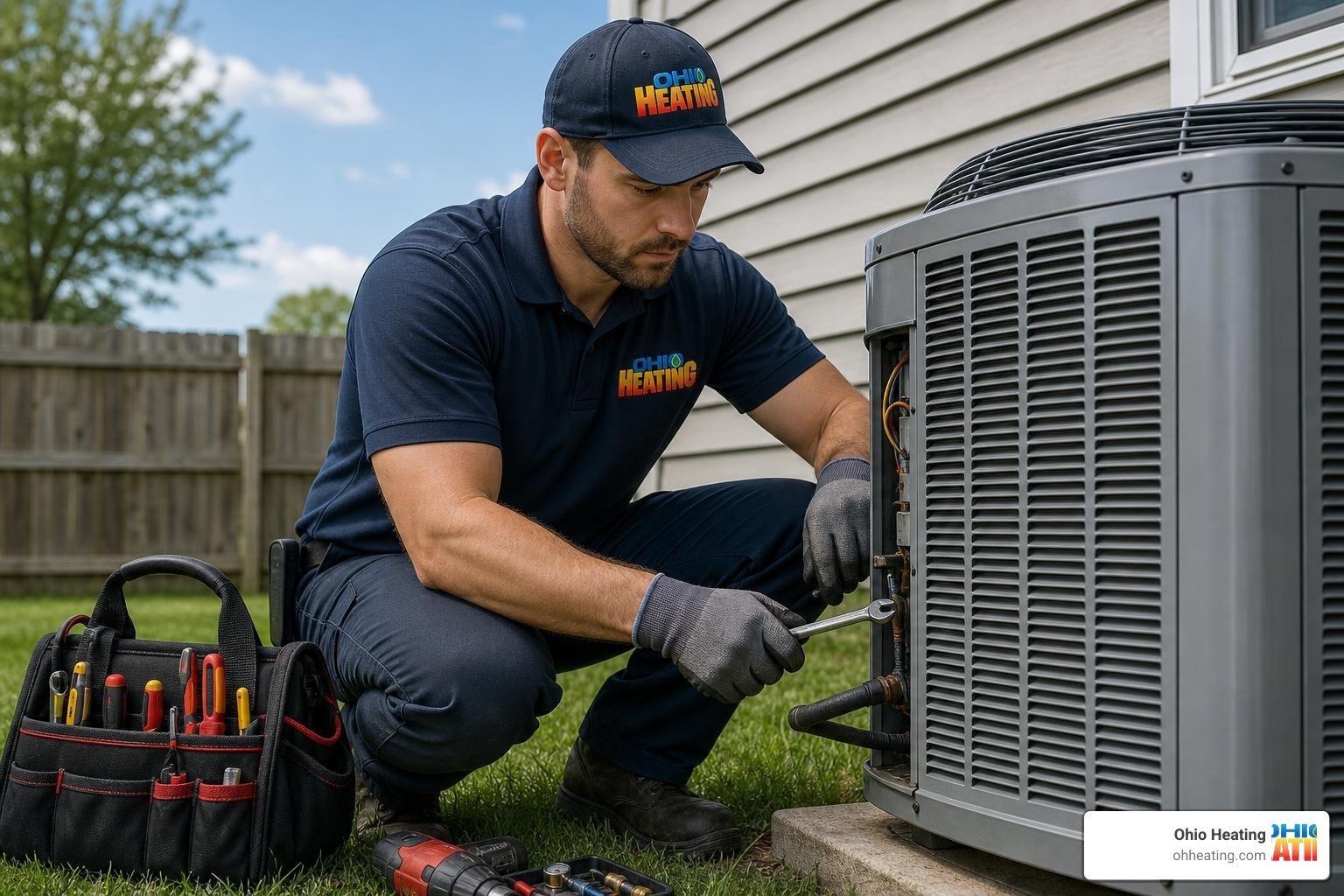
Emergency AC services typically involve two primary costs:
- The Diagnostic / Dispatch Fee: This is a flat fee charged to cover the cost of sending a fully equipped service vehicle and a licensed technician to your home after hours.
- The Repair Costs (Parts and Labor): Once the technician diagnoses the root cause of the failure, they will provide a transparent, upfront estimate for the specific parts and labor required to complete the fix.
To help you budget, here is a general comparison of standard vs. emergency AC repair costs:
| Service Category | Standard Business Hours | After-Hours / Weekend Emergency |
|---|---|---|
| Diagnostic / Dispatch Fee | $79 – $120 | $150 – $250 |
| Minor Electrical Repair (Capacitor, Contactor, Fuse) | $150 – $300 | $250 – $450 |
| Condensate Drain Line Flush | $100 – $200 | $220 – $350 |
| Refrigerant Leak Search & Recharge | $300 – $800+ | $450 – $1,000+ |
| Condenser Fan Motor Replacement | $400 – $700 | $550 – $950 |
| Compressor Replacement (Major Repair) | $1,800 – $3,500 | $2,200 – $4,000 |
Average Pricing for Common Emergency AC Repairs
During periods of sustained extreme heat, certain components of your air conditioner are forced to work much harder, making them highly susceptible to failure. Here are the most common parts that fail and their typical emergency repair costs:
- Dual-Run Capacitors: Think of the capacitor as a temporary battery that gives your compressor and fan motor the high-voltage “push” they need to start running. Under heavy thermal loads, capacitors can overheat and bulge. Replacing a blown capacitor is one of the most common emergency repairs.
- Contactors: The contactor is an electrical switch that controls the flow of electricity to your outdoor unit’s compressor and fan. Over time, the electrical contacts can pit, burn, or weld together.
- Condenser Fan Motors: If the outdoor fan motor fails, your system cannot release the heat it absorbed from inside your home. The system will quickly overheat and shut down.
- Refrigerant Recharges: If your system has a leak, simply “topping off” the refrigerant is illegal and dangerous for your equipment. A proper repair requires finding the leak, sealing it, evacuating the system, and recharging it to exact manufacturer specifications.
Why Do After-Hours Surcharges Apply?
It is a common question: Why does it cost more to have my AC fixed at night or on the weekend?
Surcharges exist because providing reliable, 24/7 emergency service requires significant operational support. When you call for emergency service, you aren’t just paying for the technician’s time at your house. You are paying for:
- Overtime Labor: Technicians who work overnight, on weekends, or during holidays receive premium overtime pay.
- Fully Stocked “Rolling Warehouses”: Our emergency service trucks must be heavily stocked with a wide range of universal parts (capacitors, contactors, motors, and fuses). This ensures that we can complete the vast majority of repairs on the spot without waiting for local parts distributors to open on Monday morning.
- 24/7 Dispatch Support: Maintaining a live local dispatch team to take your call at any hour of the night ensures you speak with a real person who can coordinate immediate help, rather than an automated machine.
What to Do While Waiting for a Technician
Once you have called for local emergency AC repair, there is usually a brief waiting window before the technician arrives. How you handle this time can protect your system from further damage and keep your family safe.
Immediate Steps to Take in Your Home
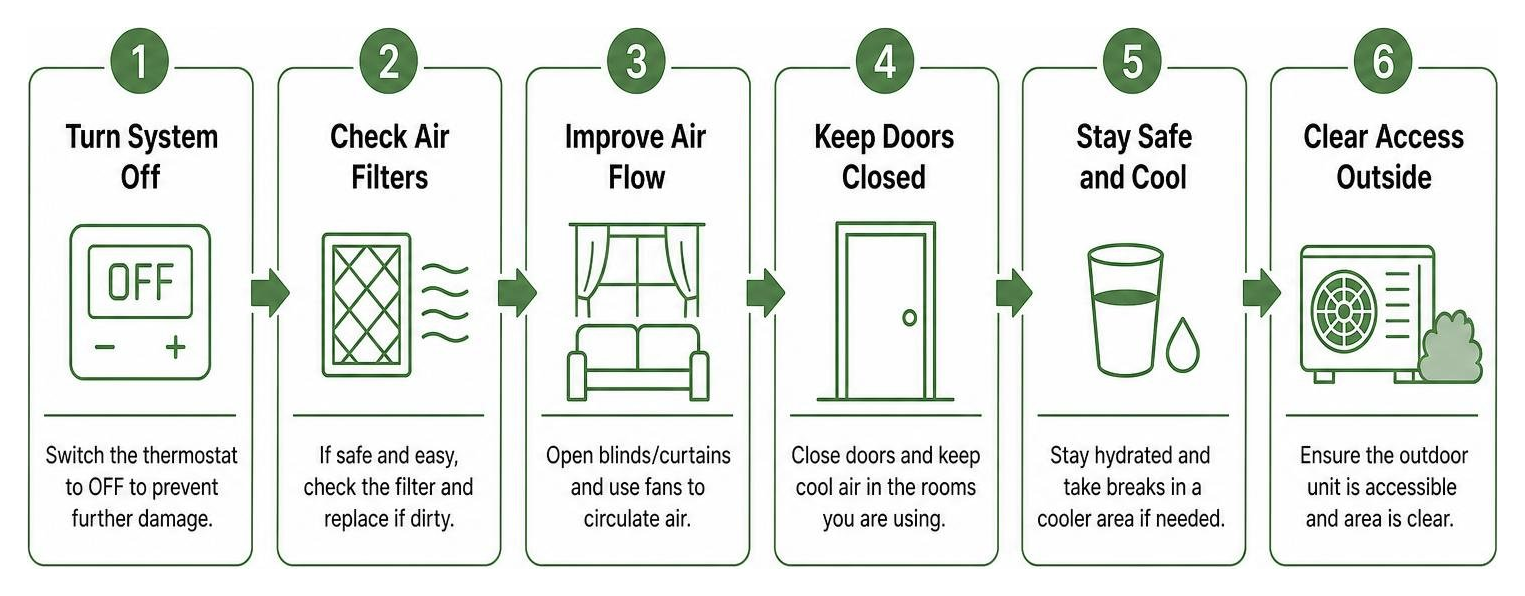
While our technician is on the way, follow these steps to manage the heat and protect your equipment:
- Turn the System Off at the Thermostat: If your AC is blowing warm air, making strange noises, or has frozen lines, switch the thermostat to the “Off” position. Keeping a malfunctioning system running can burn out the compressor or cause severe electrical damage.
- Terminate Power at the Breaker: If you smell burning or suspect an electrical hazard, locate your home’s main electrical panel and switch off the dedicated breaker for your air conditioner.
- Block Solar Heat Gain: Close all window blinds, shades, and curtains, especially on south- and west-facing windows. This simple step blocks a massive amount of radiant heat from entering your home.
- Create Cross-Ventilation: If the outdoor temperature happens to be cooler than the indoor temperature (such as late at night), open windows on opposite sides of your home to encourage a natural breeze.
- Use Ceiling and Portable Fans: Fans do not cool the air, but they create a wind-chill effect on your skin, helping your body cool itself through evaporation.
- Stay Hydrated: Drink plenty of cool water and avoid strenuous physical activity while waiting in a warm house. Keep your pets in the coolest room of the home with plenty of fresh water.
If you are looking for immediate professional assistance, you can find the Top Air Conditioner Repair Services Near You to get a technician dispatched quickly. For local support in our primary service area, contact us directly for Emergency Air Conditioning Repair in Columbus, Ohio.
How to Prevent Future Breakdowns and Avoid Local Emergency AC Repair
The best emergency is the one that never happens. While some component failures are unpredictable, the vast majority of summer AC breakdowns can be prevented with basic maintenance:
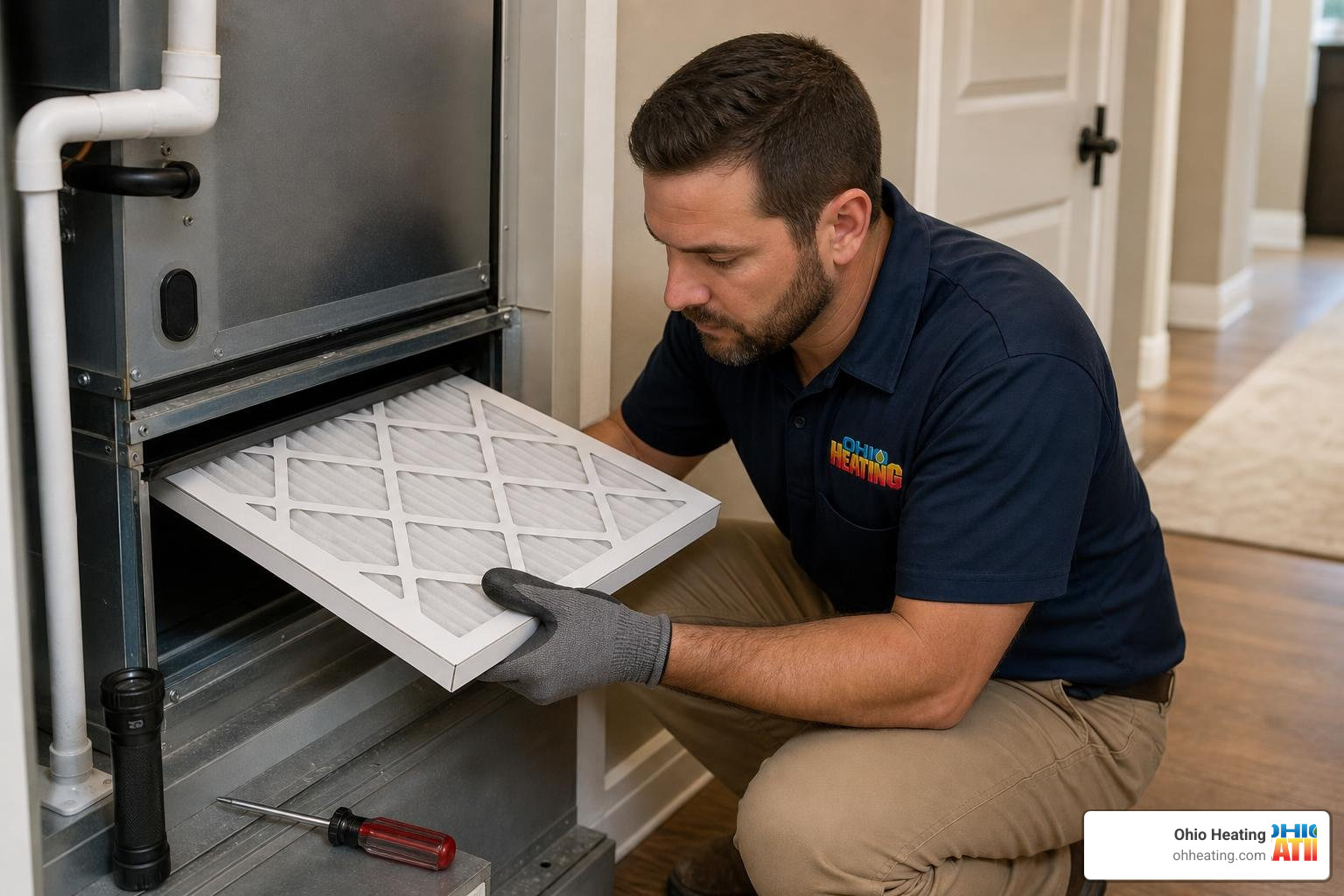
- Change Your Air Filters Regularly: A clogged air filter restricts airflow across your indoor evaporator coil. This restriction forces your system to work harder, drawing more electricity and running hotter, which can blow capacitors or cause the evaporator coil to freeze solid. Change your filters every 1 to 3 months.
- Keep the Outdoor Unit Clear: Your outdoor condenser needs to draw in air through its sides and blow it out the top to release heat. Keep bushes, weeds, grass clippings, and fallen leaves cleared at least two feet away from the unit.
- Schedule Annual Professional Tune-Ups: Having a licensed technician inspect your system before the summer heat hits is the single best way to prevent emergencies. During a routine tune-up, we test capacitor strength, check refrigerant levels, clean the coils, and clear the condensate drain line, catching minor issues before they turn into major breakdowns.
- Install a Surge Protector: Power surges from summer storms can instantly fry your AC’s control board and electrical components. Installing a dedicated HVAC surge protector can save you from costly emergency repairs.
Frequently Asked Questions About Emergency Cooling Services
When your cooling system fails, you need clear, direct answers to make the best decisions for your home. Here are the questions our dispatchers hear most frequently during emergency calls:
How quickly can a technician arrive for local emergency ac repair?
Our average emergency response times typically range from 20 minutes to 3 hours, depending on your specific location in Central Ohio and current call volume. During severe heatwaves, demand for emergency service rises across the region, but we utilize a structured triage process to prioritize calls involving vulnerable households.
When you call our 24/7 dispatch line, we will provide you with a reliable, honest arrival window. We serve the entire Columbus metro area and surrounding communities, including specialized local dispatching for:
- Emergency AC Repair in Westerville
- Emergency AC Repair in Hilliard
- Emergency AC Repair in Dublin
- Emergency AC Repair in Upper Arlington
- Emergency AC Repair in Powell
What are the most common causes of sudden AC failure during extreme heat?
When outdoor temperatures soar, your air conditioner must run longer, harder cycles to maintain your indoor thermostat settings. This sustained thermal load is the primary catalyst for sudden failures. The most common issues we diagnose during heatwaves include:
- Blown Dual-Run Capacitors: High temperatures and extended run times cause capacitors to draw massive amperage, leading them to overheat and fail.
- Clogged Condensate Drain Lines: When your AC runs constantly, it pulls immense amounts of moisture out of the air. If your drain line is restricted by algae, dust, or mineral deposits, the water will back up and trip the safety float switch, shutting down the entire system instantly.
- Frozen Evaporator Coils: Restricted airflow (from a dirty filter or blocked vents) combined with low refrigerant levels causes the temperature of your indoor coil to drop below freezing, turning condensation into solid ice.
- Overheated Compressors: If the outdoor condenser coil is dirty or blocked by debris, it cannot release heat. The compressor will overheat and shut down on thermal overload to protect itself from burning out.
Can a technician fix my AC in a single visit?
Yes, in the vast majority of cases! We maintain a high “first-visit resolution rate” by equipping our service vehicles as rolling warehouses. Our technicians travel with a comprehensive stock of universal parts, including capacitors, contactors, fan motors, condensate pumps, float switches, and fuses.
If your system requires a highly specialized, manufacturer-specific OEM part that is not on the truck, our technician will safely secure your system, explain the situation, and prioritize the acquisition of the part from our local warehouse first thing the following morning.
Conclusion
A sudden air conditioning breakdown in the middle of a hot summer is stressful, but you don’t have to face it alone. By taking immediate safety measures—like shutting down a malfunctioning system and blocking out solar heat—you can protect your property and keep your family safe while help is on the way.
At Ohio Heating, we have been serving the Columbus and Central Ohio community since 1999. Our mission is to deliver fast, reliable, and transparently priced cooling solutions to ensure your home or business remains safe and comfortable, even during the hottest days of the year.
Don’t suffer through a sleepless, sweltering night. If your cooling system is failing, contact our team to Schedule professional AC repairs and sales or call our 24/7 emergency dispatch line to get a licensed technician headed to your home today.