
What a High Quality AC Install Actually Looks Like
A high quality AC install is the single biggest factor that determines whether your cooling system runs safely, efficiently, and reliably for the next 15 to 20 years — or becomes a constant source of expensive breakdowns during peak summer heat.
Here is what separates an expert air conditioning installation from a substandard job:
- Proper sizing — based on a comprehensive Manual J cooling load calculation, not guesswork or matching the old unit’s capacity
- Optimal airflow & duct configuration — verified static pressure to ensure balanced air distribution across every room
- Precision refrigerant charging — measured by subcooling and superheat levels, not rule-of-thumb pressure estimates
- Code-compliant electrical and condensate connections — performed by a licensed, insured HVAC technician
- Full system commissioning — leak testing, airflow balancing, electrical draw verification, and thermostat calibration
- Permits pulled and inspections passed — ensuring local building safety standards are strictly met
If any of these steps are overlooked, you are not getting a true quality installation — regardless of the brand name on the outdoor condenser.
Air conditioners over 10 to 15 years old often suffer from degraded cooling performance and inflated electric bills. When replacing your system, installation quality matters just as much as equipment SEER ratings. A high-efficiency AC installed incorrectly will underperform and lead to premature compressor failure.
I’m Jill Frattini, Service Coordinator at Ohio Heating in Columbus, OH, where I oversee air conditioning service scheduling and residential project coordination. Having evaluated countless cooling installations in the field, I know exactly what a high quality AC install requires. In this guide, I’ll break down the key standards so you can hold any contractor accountable.
Key resources for cooling services:
Signs It Is Time to Upgrade Your Cooling System
Recognizing when your central air conditioner or cooling unit is failing is essential to maintaining indoor summer comfort. Operating an aging cooling system leads to escalating repair bills and wasted electricity.
Signs You Need a High Quality AC Install
When air conditioning units pass 12 to 15 years of service, operational efficiency drops due to outdoor coil corrosion, fan motor wear, and declining compressor health. Modern cooling equipment offers drastically better humidity control and energy savings.
Key indicators that your home needs a new air conditioner include:
- Frequent AC Service Calls: Spending money on repeated summer repairs is a clear sign that replacement is more cost-effective.
- Spiking Electric Bills: A sudden rise in summer utility costs indicates your compressor is straining to transfer heat out of your home. Explore Signs Your Cooling System is Running Inefficiently to identify hidden efficiency drains.
- Short-Cycling: When the AC turns on and off rapidly without completing a full cooling cycle, it leaves indoor air humid and places heavy stress on electrical components.
- Refrigerant Leaks & Ice Build-Up: Frozen evaporator coils or puddles around the indoor air handler signal refrigerant leaks or restricted airflow.
- Grinding or Squealing Noises: Loud mechanical sounds indicate failing motor bearings or internal compressor damage.
Evaluating System Types and Sizing Requirements
Selecting the right cooling system requires professional evaluation rather than rule-of-thumb estimates. Older Central Ohio homes often have mismatched ductwork or oversized units, causing short-cycling and poor dehumidification.
A high quality AC install begins with an accurate Manual J load calculation, factoring in square footage, shading, window placement, insulation levels, and local summer climate data.
| AC System Type | How It Works | Ideal Application | Space & Installation Requirements |
|---|---|---|---|
| Central Air Conditioner | Cools air at a central outdoor condenser and distributes it through home ductwork. | Homes with existing, well-sealed ductwork networks. | Requires indoor evaporator coil space and outdoor pad clearance. |
| Ductless Mini-Split | Connects outdoor compressor to individual indoor wall units for targeted cooling. | Additions, historic homes, or rooms lacking ductwork. | Minimal construction; requires small exterior wall penetrations. |
| Packaged Cooling Unit | Combines compressor, coil, and fan into a single outdoor cabinet. | Homes with limited basement or attic space. | Exterior ground pad or rooftop mounting space required. |
Integrating multi-zone cooling controls allows you to direct airflow precisely where needed, eliminating warm upstairs rooms. Learn more about choosing high-efficiency cooling setups in our guide on Energy Efficient Cooling Options.
Key Indicators of a High Quality AC Install
After selecting equipment, physical installation craftsmanship determines how effectively and quietly your air conditioner runs. Here are the visible standards of expert cooling installation work.
Professional Condenser Pad Placement and Airflow Standards
Outdoor air conditioning condenser units require stable, level positioning and unrestricted airflow to expel heat effectively. A high quality AC install uses a composite equipment pad placed on settled, level ground or elevated wall brackets to prevent shifting.
Airflow and clearance standards include:
- Clearances: Technicians maintain at least 12 to 24 inches of clearance around the condenser sides and 60 inches above the fan discharge for proper thermal dissipation.
- Lineset Insulation: Copper refrigerant lines connecting the indoor coil to the outdoor unit must be properly sized, nitrogen-purged during brazing, and fully wrapped in UV-resistant insulation.
- Condensate Management: Condensate drain lines must slope continuously away from the evaporator coil with a trapped drain line and secondary safety switch to prevent water overflow into living areas.
For detailed clearance and line sizing parameters, review official Technical Installation Guidelines.
Precision Electrical and Refrigerant Line Connections
Near-unit wiring and copper linesets should be installed neatly with liquid-tight conduit and secured piping. Clean routing prevents vibration noise and physical damage.
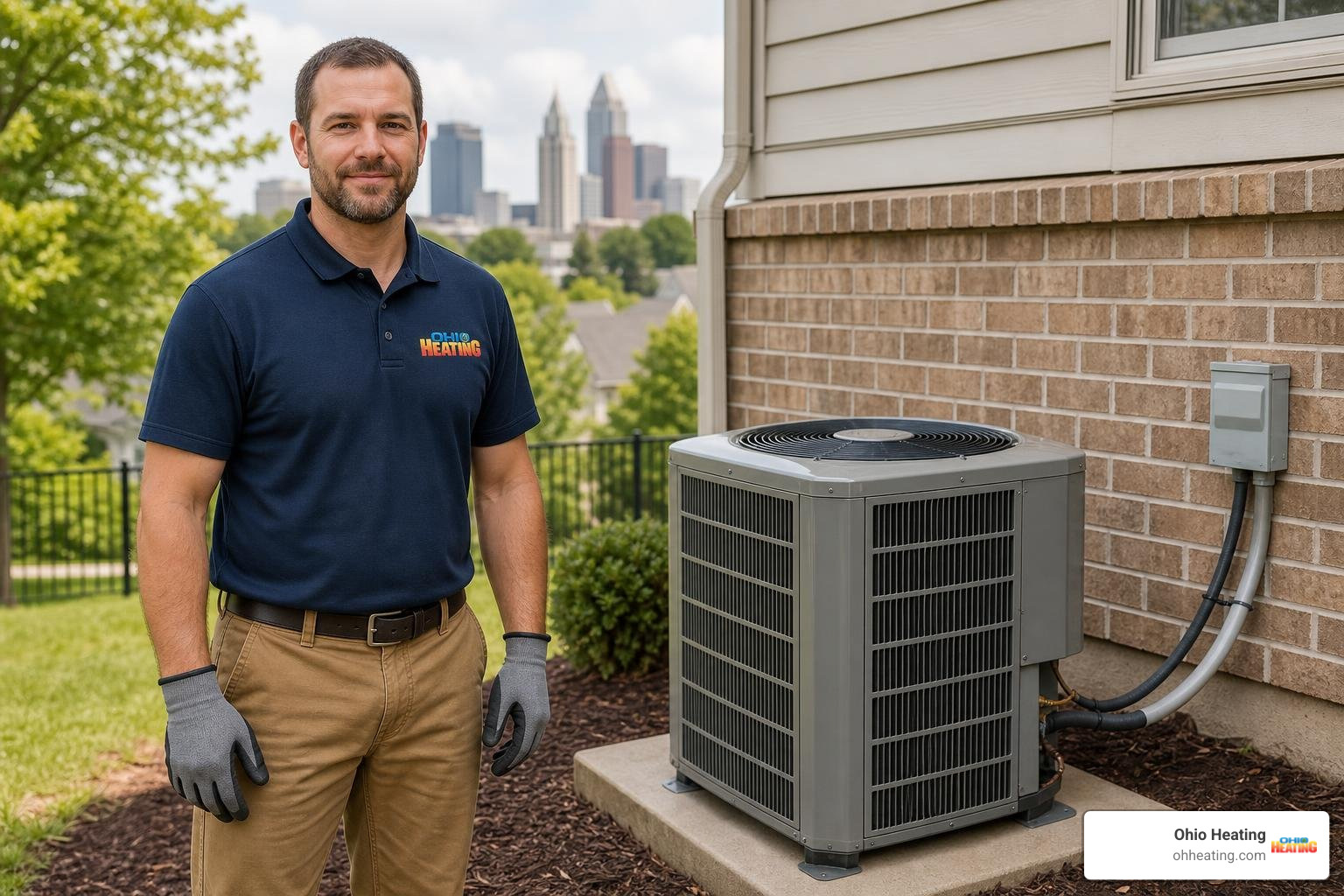
Electrical supply sizing demands strict attention. High-SEER air conditioners require dedicated electrical circuits, matching circuit breakers, and weatherproof outdoor disconnect boxes. For insights on wiring and line requirements, read our guide on AC Line & Electrical Setup Guidelines.
- Safety Disconnect Boxes: A dedicated fused or non-fused electrical disconnect box must be mounted within sight of the outdoor unit for safe maintenance access.
- Vibration Isolation: Rubber isolation pads installed under the condenser frame dampen operational noise and prevent vibration transfer into home structures.
Refrigerant Standards and System Commissioning
Air conditioning systems rely on precise refrigerant charge and balanced airflow to absorb indoor heat and exhaust it outside. Skipping commissioning steps during installation compromises cooling performance.
Target Refrigerant and Airflow Parameters
An expert cooling installation team tests system pressure and evacuation levels before charging, ensuring parameters meet manufacturer specifications:
- Deep Vacuum Evacuation: Technicians pull a vacuum down to 500 microns or lower using a micron gauge to remove all moisture and non-condensables from copper lines.
- Subcooling & Superheat Calibration: Refrigerant levels are verified using digital manifold gauges to match exact subcooling targets (typically 10°F to 14°F for TXV systems).
- Static Pressure Verification: Total external static pressure across the indoor blower coil is measured to verify designed airflow (typically targeting 400 CFM per ton of cooling capacity).
What to Expect During the Testing Phase
Once physical and electrical connections are secure, full system commissioning begins:
- Nitrogen Pressure Testing: The lineset and evaporator coil are pressurized with dry nitrogen to verify leak-free joints before introducing refrigerant.
- Evacuation & Moisture Removal: Deep vacuum purging isolates any moisture trapped inside copper tubing.
- Refrigerant Charge Verification: Factory charge is adjusted based on total lineset length and equipment match.
- Temperature Split Checks: Technicians measure the dry-bulb temperature drop across the indoor evaporator coil (aiming for a 18°F to 21°F temperature split).
- Airflow Balancing: Supply register airflow and return air grills are adjusted to balance cooling throughout every room.
Safety Compliance and Avoiding AC Installation Pitfalls
Installing split air conditioning equipment requires EPA-certified refrigerant handling, high-voltage electrical wiring, and sheet metal duct fitting. Professional execution guarantees safety and protects your equipment investment.
Professional Installation vs DIY Hazards
Attempting a DIY air conditioning setup or hiring uncertified labor creates serious home safety and operational risks:
- Refrigerant Handling Violations: Improper refrigerant venting violates federal EPA regulations and leads to system contamination.
- Electrical & Fire Hazards: Incorrect wire gauge or improper breaker sizing creates overheating hazards at the disconnect box.
- Voided Warranties: Major AC manufacturers condition their multi-year compressor and parts warranties on installation by certified HVAC technicians. DIY efforts invalidate coverage.
- Code Non-Compliance: Municipal codes require mechanical permits and electrical inspections. Unpermitted AC work can cause issues during property sales.
Common Installation Mistakes to Avoid
Even experienced installers can make costly mistakes if rushed. Watch for these common red flags:
- Improper Line Insulation: Uninsulated suction lines cause condensation dripping, drywall damage, and loss of cooling capacity.
- Oversized AC Units: Installing excessive cooling capacity causes quick room cooling without removing air humidity, leaving indoor spaces clammy.
- Neglecting Condensate Float Switches: Omitting safety float switches can result in clogged drain pans overflowing into ceilings or floors.
After your replacement, routine seasonal maintenance maintains peak efficiency. Annual cooling tune-ups include coil cleaning, electrical checks, condensate line flushing, and filter replacements. Read our regional guide on AC Installation Insights for Columbus Homeowners.
Frequently Asked Questions About AC Installation
How long does a typical air conditioner installation take?
A standard residential central AC replacement takes 1 to 2 days. Simple unit-for-unit replacements with existing, undamaged ductwork are often finished in a single day. Complex projects involving new duct additions, electrical service upgrades, or multi-zone ductless mini-split setups usually require two full days.
What temperature drop should a new AC achieve?
A properly functioning air conditioner should produce a 18°F to 21°F temperature drop (known as the delta-T) between the supply air vents and return air grilles when operating under normal humidity levels. If the temperature split is below 15°F, airflow or refrigerant adjustment is needed.
Are building permits required for AC replacement?
Yes. Local municipalities across Columbus and Central Ohio require mechanical and electrical permits for replacing or installing split AC systems. Permits ensure certified inspectors verify wiring, line clearance, disconnect access, and structural pad placement. A reputable contractor handles all permit filings as part of their service.
Conclusion
A high quality AC install is an investment in long-term indoor summer comfort, humidity control, and low utility bills. By ensuring accurate sizing, proper refrigerant charging, balanced duct airflow, and thorough commissioning, you can enjoy quiet, reliable cooling all summer long.
Since 1999, our team at Ohio Heating has provided premier residential and commercial air conditioning services across Columbus and Central Ohio. Whether you need an AC repair check, routine cooling maintenance, or a full high-efficiency air conditioning installation, our certified technicians deliver exceptional quality on every job.
Ready for reliable summer comfort? Explore our comprehensive AC Sales and Cooling Services or contact our team today to schedule your personalized cooling assessment!